


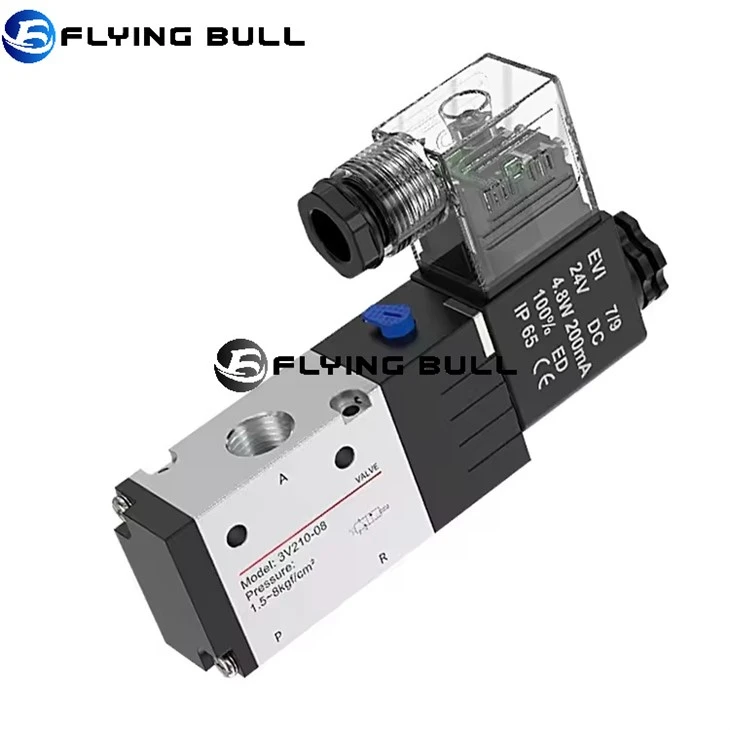

Solenoid Valve Repair Tool
Product Description: Pneumatic Solenoid Valve for Versatile Control (4V210-08) When you need a reliable replacement solenoid valve for pneumatic systems, the solenoid valve repair tool from Flying Bull is a practical choice. Model 4V210-08 is a direct-acting, 5-port (4-way), 2-position solenoid valve designed for air media and ordinary pressure systems. It is suitable for controlling gas, liquid, and other media in industrial automation, construction machinery, and pneumatic equipment. The valve is 100% brand new, manufactured in Zhejiang, China, and backed by a 1‑year warranty. Delivery takes 5–7 working days. Model and Type Model: 4V210-08 Type: Direct-acting solenoid valve – the solenoid directly moves the spool without needing pilot pressure. This allows operation at zero pressure. Port size: 1/4 inch (verify NPT or BSP thread with supplier). Structure and Characteristics Sliding Column Structure: The valve uses a sliding spool design. This provides good sealing and sensitive response. The spool slides within a precision-machined sleeve, opening and closing ports as it moves. Function Selection: The 4V series includes different configurations: Two-position, double-coil (dual head) solenoid valves have a memory function – the last energized coil determines the valve position even after power is removed. Useful for applications that must hold position without continuous power. Three-position valves (different models) offer three center position options (closed center, exhaust center, pressure center). Special Inner Hole Treatment: The inner bore (where the spool slides) is processed using a special technology. Results include: low friction resistance (spool moves easily), low starting pressure (valve shifts at low pilot or line pressure), and long service life (reduced wear over millions of cycles). No Lubrication Required: The valve is designed to operate without oiled air. In many pneumatic systems, lubrication is not necessary. This reduces maintenance and prevents oil mist from contaminating sensitive components (e.g., paint spray booths, food processing). Easy Installation: The valve body can be integrated with a base (manifold) to save installation space. A manual device (manual override) is equipped on the valve. This allows you to manually shift the valve during installation and debugging without applying electrical power. Use and Precautions – Proper Installation Ensures Long Life: Check Flow Direction and Port Type: Ensure the gas flow direction matches the arrow on the valve body. Verify that the port threads (NPT, BSP, etc.) match your fittings. Verify Operating Conditions: Before installation, check that your system meets the valve’s technical requirements: voltage (e.g., 12VDC, 24VDC, 110VAC, 220VAC – check your specific coil), operating frequency (cycles per minute), working pressure (within the valve’s rating), and operating temperature range. Avoid Vibration: Try to avoid using the valve in environments with excessive vibration. Vibration can cause loose connections or premature wear. If vibration is unavoidable, use flexible mounting and support the piping. Prevent Freezing at Low Temperatures: In cold environments, moisture in compressed air can freeze inside the valve. Use an air dryer or add antifreeze measures (e.g., heat tracing, low-temperature lubricants). Clean Piping Before Connection: When connecting pipes, ensure that the wrapping of sealing tape (e.g., PTFE tape) does not extend beyond the end face of the connector – excess tape can enter the valve and block small passages. Remove dust, iron filings, and other dirt from pipe connectors. Prevent impurities or foreign objects from entering the valve body. Even small particles can jam the spool. Debugging Procedure: When debugging the complete system, first use the manual device (manual override) to shift the valve and check mechanical function. Then apply electrical power and test solenoid operation. This sequence helps separate mechanical issues from electrical issues. Typical Applications for the 4V210-08 Solenoid Valve: Pneumatic cylinder control (extend/retract). Air tools and actuators. Blow-off systems. Packaging machinery. Construction machinery pneumatic circuits. General factory automation.
Product Introduction
Products Description
|
OE NO.: 4V210-08 |
Media: Air |
|
Warranty: 1 YEAR |
Condition: New, 100% Brand-new |
|
Place of Origin: Zhejiang, China |
Item: Solenoid |
|
Brand Name: FLYING BULL |
Quality: High-Quality |
|
Delivery: 5-7 Working Days |
Pressure: Ordinary Pressure |
Pneumatic solenoid valve 4V210-08 Construction machinery parts
The detailed parameters and characteristics of the pneumatic solenoid valve 4V210-08 are as follows:
Model and type
① Model: 4V210-08
② Type: direct acting solenoid valve, suitable for gas, liquid and other media control.
Structure and characteristics
① Structure: Sliding column structure, with good sealing and sensitive response characteristics.
② Function selection: The three-position solenoid valve has three central functions to choose from; Dual head two position solenoid valve with memory function.
③ Inner hole treatment: The inner hole is processed by special technology, with low friction resistance, low starting pressure and long service life.
④ Lubrication: No need to lubricate.
⑤ Installation: The valve group can be integrated with the base to save installation space; It is equipped with manual device to facilitate installation and debugging.
Use and precautions
① During installation, ensure that the gas flow direction and nozzle type are correct.
② Check whether the installation conditions meet the technical requirements (such as "voltage", "operating frequency", "working pressure", "operating temperature range", etc.).
③ Try to avoid use in a vibrating environment, and pay attention to anti-freezing measures at low temperatures.
④ When connecting pipes, ensure that the wrapping of the sealing tape does not exceed the end face of the connector, and remove dust, iron filings and other dirt in the pipe connector to prevent impurities or foreign bodies from entering the valve body.
⑤ When debugging the whole machine, it is recommended to use manual device debugging first, and then power debugging.


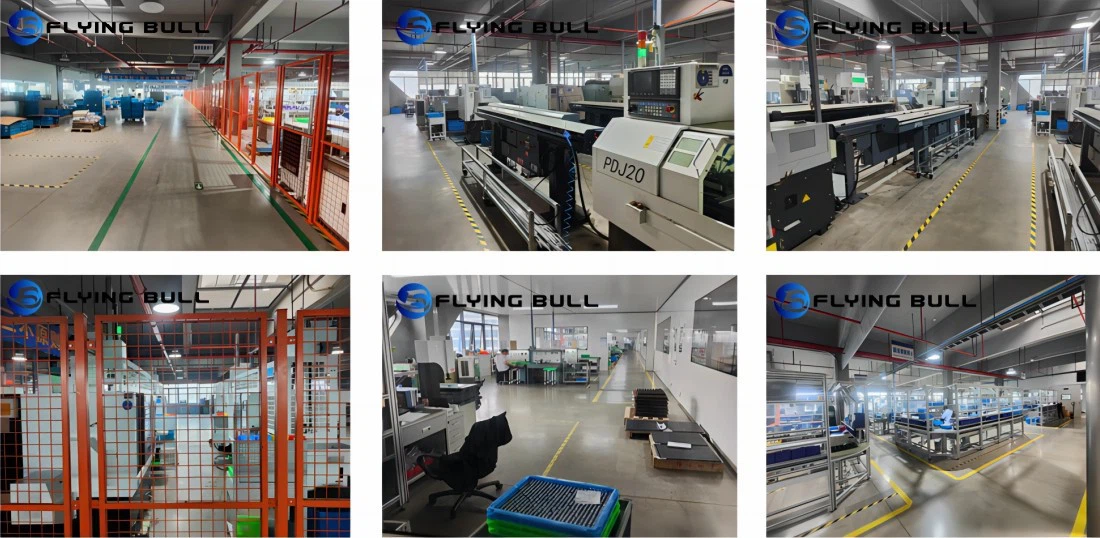
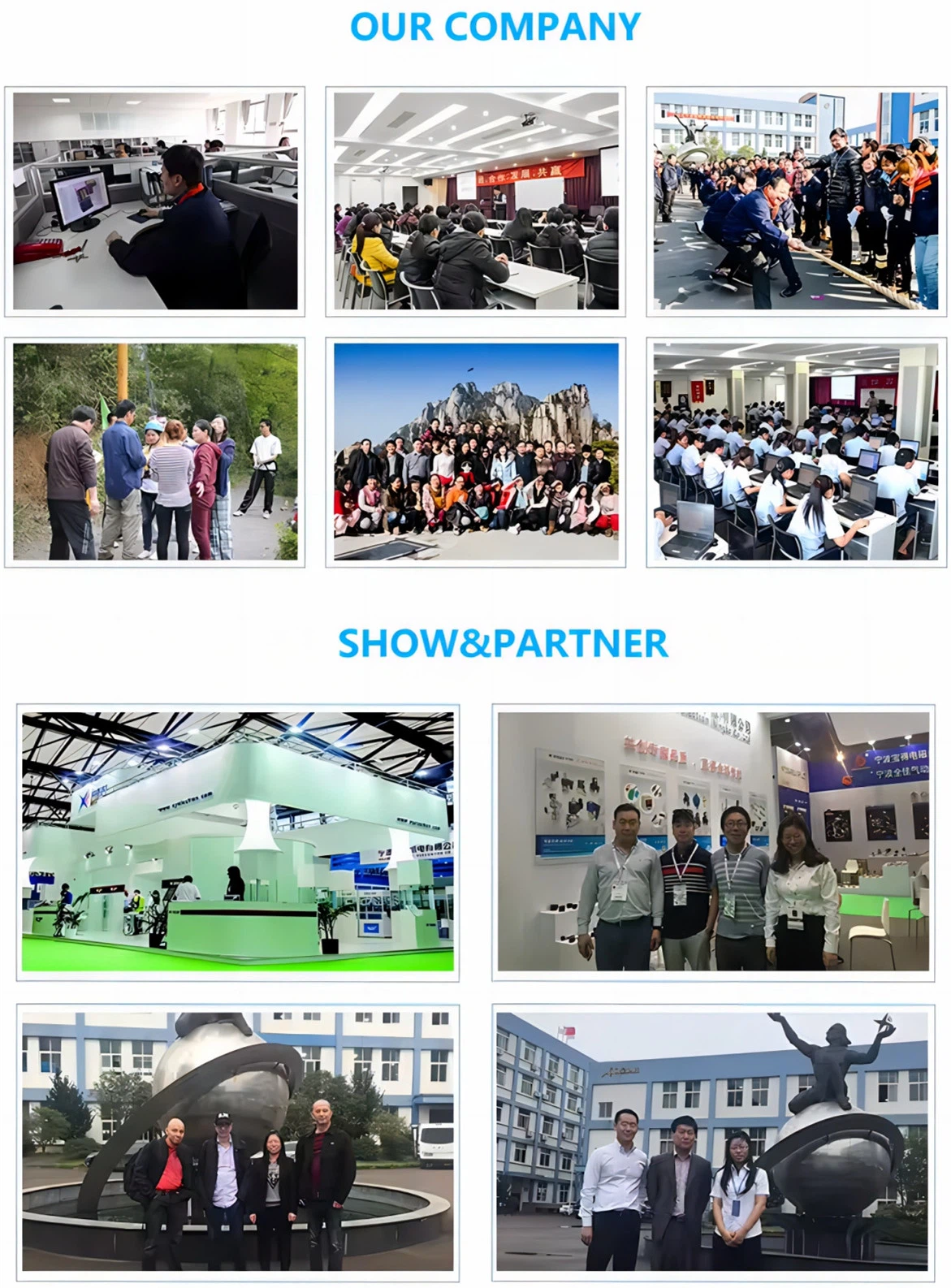
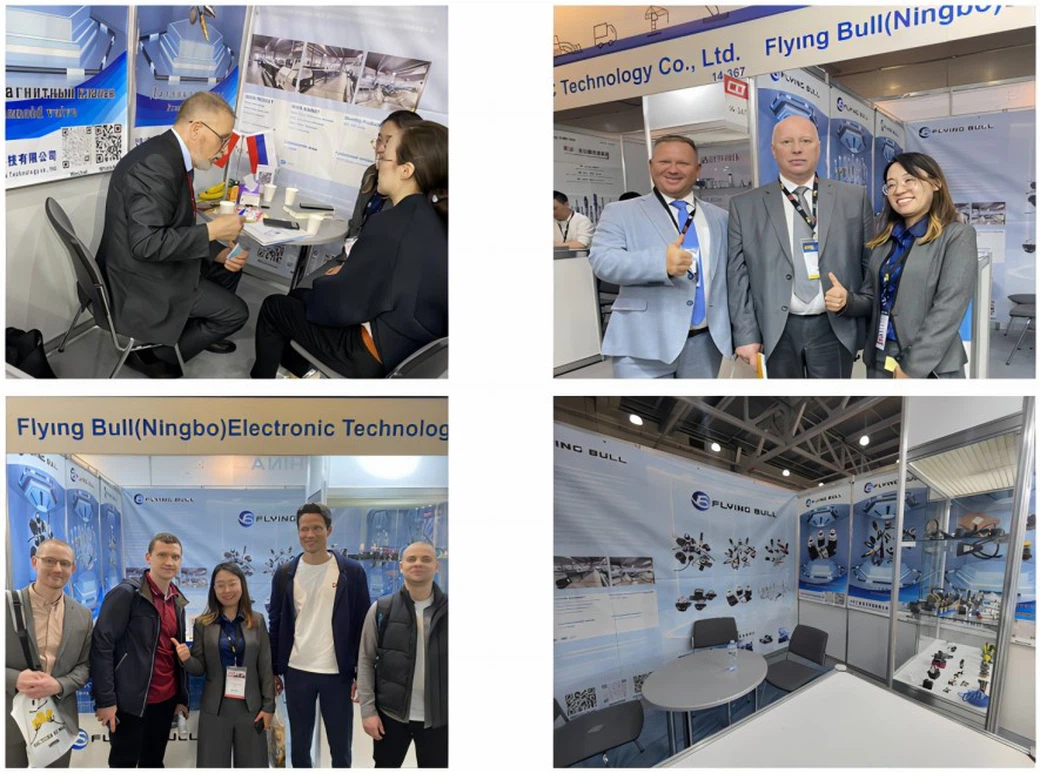
Company Introduction


Frequently Asked Questions (FAQs)
1. What is the model number and type of this solenoid valve?
Model: 4V210-08. Type: Direct-acting solenoid valve suitable for gas, liquid, and other media control. It is a 5-port (4-way), 2-position valve with 1/4″ ports.
2. What does "direct-acting" mean for this valve?
Direct-acting means the solenoid coil directly moves the spool when energized. No pilot pressure is required. The valve can operate even at zero system pressure. This is different from pilot-operated valves that need a minimum pressure to shift.
3. What is the sliding column structure?
The valve uses a sliding spool (a precision-ground metal cylinder) inside a sleeve. The spool moves back and forth to open or close ports. This design provides good sealing and fast response.
4. Does this valve require lubrication in the compressed air?
No. The 4V210-08 is designed to operate without lubrication. This reduces maintenance and prevents oil mist from contaminating downstream equipment (e.g., paint booths, food machinery).
5. What is the manual device (manual override) used for?
The manual override allows you to shift the valve by hand without applying electrical power. It is useful during installation, debugging, and maintenance. You can confirm mechanical function before connecting electricity.
6. How do I prevent contamination from damaging the valve?
(1) Clean pipes before connection. (2) Do not allow PTFE tape to extend beyond the fitting end. (3) Remove dust and metal chips from connectors. (4) Consider installing an upstream filter (5μm or better). Even small particles can jam the spool in a sliding column valve.
7. What should I check before installing the valve?
Verify: (1) Voltage matches the coil rating. (2) Operating frequency (cycles/minute) is within limits. (3) Working pressure is within valve rating. (4) Temperature range is suitable for your environment. (5) Flow direction matches arrow on valve body.
8. What is the difference between two-position and three-position 4V valves?
Two-position valves have two states (energized or de-energized). Three-position valves have a center position when neither coil is energized. The center position can be closed, exhaust, or pressure depending on the version. The 4V210-08 is a two-position valve.
9. Does the solenoid valve repair tool come with a warranty?
Yes. Flying Bull provides a 1‑year warranty against manufacturing defects. Damage caused by contamination, incorrect voltage, overpressure, freezing, or physical damage is not covered.
10. Is this valve a direct replacement for other 4V210-08 valves?
Yes. The 4V210-08 is a standard industry model. It is a direct replacement for other manufacturers' 4V210-08 valves. Always verify port thread type (NPT vs. BSP) and voltage before ordering.
Hot Tags: solenoid valve repair tool, China solenoid valve repair tool manufacturers, suppliers, factory, pneumatic solenoid valves, solenoid valve repair tool, pneumatic piston pumps, pneumatic after filters, pneumatic nipples, pneumatic level regulators
You Might Also Like


Send Inquiry
