


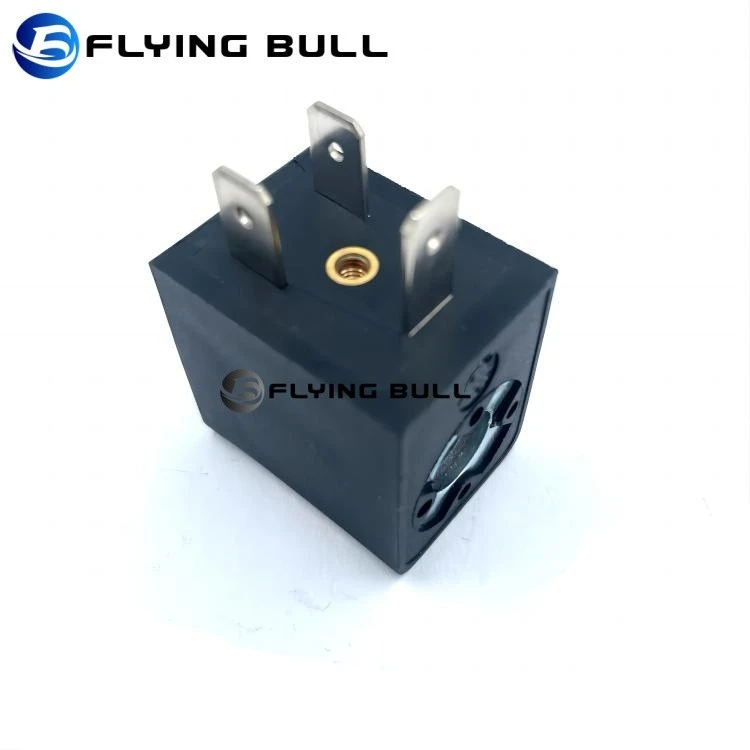


Pneumatic Connector
Pneumatic Solenoid Coil with DIN43650B Connector – φ9mm × 29.5mm Pneumatic systems rely on solenoid valves to control compressed air flow. At the center of each solenoid valve is the coil – the electrical part that creates magnetic force to move the spool. The pneumatic connector from Flying Bull is a solenoid valve coil with an inner hole of 9mm and height of 29.5mm (φ9mm × 29.5mm). It is designed for pneumatic solenoid valves and features a DIN43650B connector. The coil operates on DC12V, DC24V, AC220V, or AC110V. It is 100% brand new, manufactured in Zhejiang, China, and backed by a 1‑year warranty. Delivery takes 5–7 working days. Role of the solenoid valve in a pneumatic system In a pneumatic system, the role of the solenoid valve is to adjust the various states of compressed air according to control requirements. The solenoid valve opens, closes, or directs airflow to actuators (cylinders). However, the pneumatic system also needs the coordination of other components: Solenoid valve coil – this product (the electromagnetic actuator). Pneumatic connector – the electrical connector (DIN43650B) that supplies power to the coil. Power components – compressors that generate compressed air. Executive components – cylinders, air motors, etc. that do the work. Switches, display equipment, and other auxiliary equipment – controls and feedback devices. The valve body (the mechanical part of the solenoid valve) is the important device for the realization of the control algorithm. Electrical specifications – options and customization Conventional DC voltages and power: DC12V – power options: 3W‑4.8W or 6.5W‑8W. DC24V – power options: 3W‑4.8W or 6.5W‑8W. Conventional AC voltages and power: AC220V – power options: 4VA‑5.5VA or 6VA‑8.5VA. AC110V – power options: 4VA‑5.5VA or 6VA‑8.5VA. Other voltages and powers can also be customized on request. The coil connection type is DIN43650B – a square, 3‑pin industrial standard connector (common on pneumatic valves). How to avoid pneumatic solenoid coil burnout To prevent premature coil failure, follow these guidelines: 1. Install in a dry, ventilated place and keep clean – Moisture and dirt are enemies of solenoid coils. Water ingress causes corrosion and shorts. Dirt blocks cooling. Install the valve (and coil) in a location protected from splashing, dripping, or high humidity. Ensure adequate airflow around the coil. 2. Avoid prolonged use or too frequent operation – Coils generate heat when energized. If the coil is energized continuously for long periods (days or weeks) without cycling, it can overheat, especially if the valve is in a hot environment. If the coil cycles too frequently (e.g., hundreds of times per minute), it may not have time to cool between cycles. Match the coil’s duty cycle rating to the application (continuous duty vs. intermittent duty). 3. Connect the coil connector correctly – Secure the connector (DIN43650B) and mark the wire end. A loose connector causes intermittent operation and arcing. Arcing burns the connector pins and can also damage the coil’s internal connections. Tighten the center screw on the DIN connector after pushing it onto the coil pins. 4. Use the required power supply and equipment interlock protection circuit – Overvoltage (e.g., 24V on a 12V coil) will overheat and burn the coil quickly. Undervoltage (e.g., 10V on a 12V coil) may prevent the coil from pulling in fully, causing it to draw high current and overheat. Use a regulated power supply. Interlock protection circuits (e.g., a thermal switch or fuse) can shut off power if the coil overheats. 5. Observe voltage and current changes during use – Periodically check that the voltage at the coil is within ±10% of rated voltage. If current is higher than normal (while voltage is normal), the coil may have a partial short. If current is zero (with voltage present), the coil is open (broken). Any abnormality should be investigated. Why choose Flying Bull for the pneumatic connector (solenoid coil)? Direct replacement – φ9mm × 29.5mm fits many pneumatic solenoid valves. DIN43650B connector – Standard industrial connection. Multiple voltages – DC12V, DC24V, AC110V, AC220V. Customizable – Other voltages and powers on request. 100% brand new – Not rebuilt. 1‑year warranty – Against manufacturing defects. Fast delivery – 5‑7 working days from Zhejiang, China. Flying Bull’s pneumatic connector (solenoid coil with DIN43650B) is a reliable, high‑quality replacement. Follow the burnout prevention tips above for long service life. Choose Flying Bull for dependable pneumatic components.
Product Introduction
Products Description
Argument: φ: 09mm H: 29.5mm |
Media: Air |
|
Warranty: 1 YEAR |
Condition: New, 100% Brand-new |
|
Place of Origin: Zhejiang, China |
Actuator: Electric |
|
Brand Name: FLYING BULL |
Quality: High-Quality |
|
Delivery: 5-7 Working Days |
Apply: Pneumatic Connector |
The Pneumatic Connector solenoid valve coil inner hole 09mm height 29.5mm.
Suitable for pneumatic solenoid valves
Conventional voltage: DC12V, DC24V
Conventional power:3W-4.8W, 6.5-8W
Conventional voltage: AC220V, AC110V
Conventional power: 4VA-5.5VA, 6VA-8.5VA
Other voltages and powers can also be customized.
Coil connection DIN43650B
We have different solenoid valve coil of pig farming equipment, mechanical equipment and other solenoid valve coil.
In the Pneumatic system, the role of the solenoid valve is to adjust the various states of the compressed air in the control system according to the requirements of the control, the pneumatic system also needs the coordination of other components, including the solenoid valve coil, Pneumatic Connector, power components, executive components, switches, display equipment and other auxiliary equipment. The power components include various compressors, and the executive components include various cylinders. These are all indispensable parts of the pneumatic system. The valve body is an important device for the realization of the control algorithm.
How to avoid pneumatic solenoid coil burn?
In order to avoid the pneumatic solenoid coil burning, we need to pay attention to the following points:
The pneumatic solenoid valve is installed in a dry and ventilated place and kept clean.
Try to avoid prolonged use or too frequent operation.
Connect the coil connector correctly, secure the connector and mark the wire end.
Use the required power supply and equipment interlock protection circuit.
In the process of use, pay attention to observe whether the change of voltage and current is abnormal.


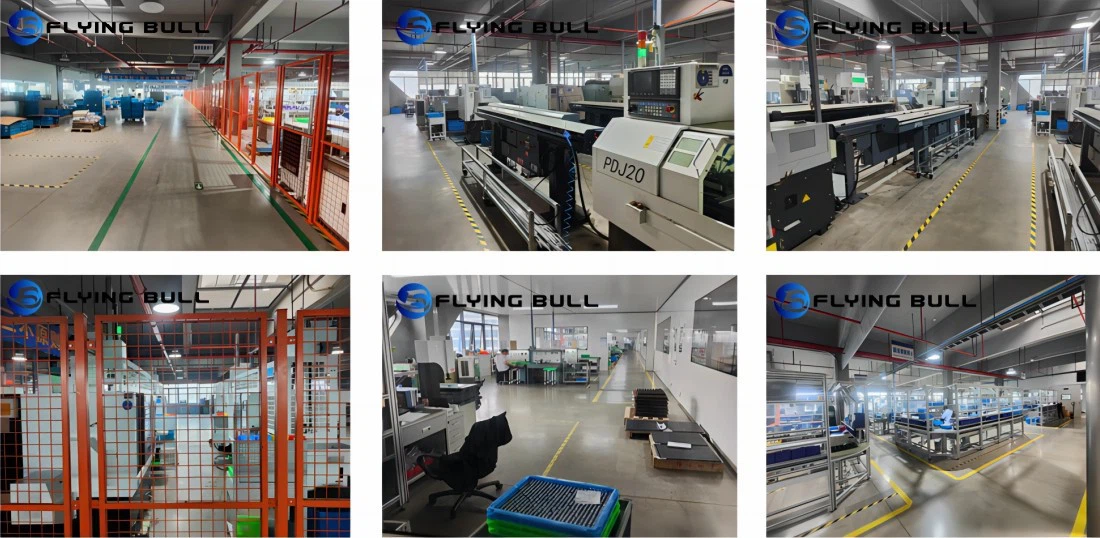
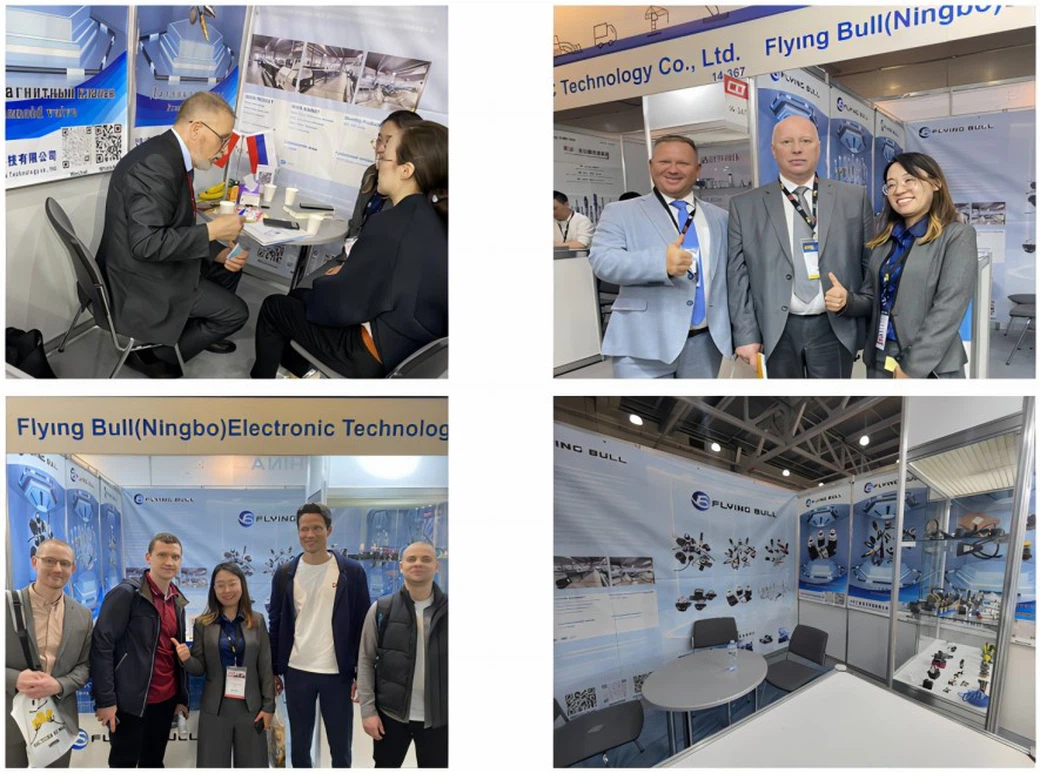
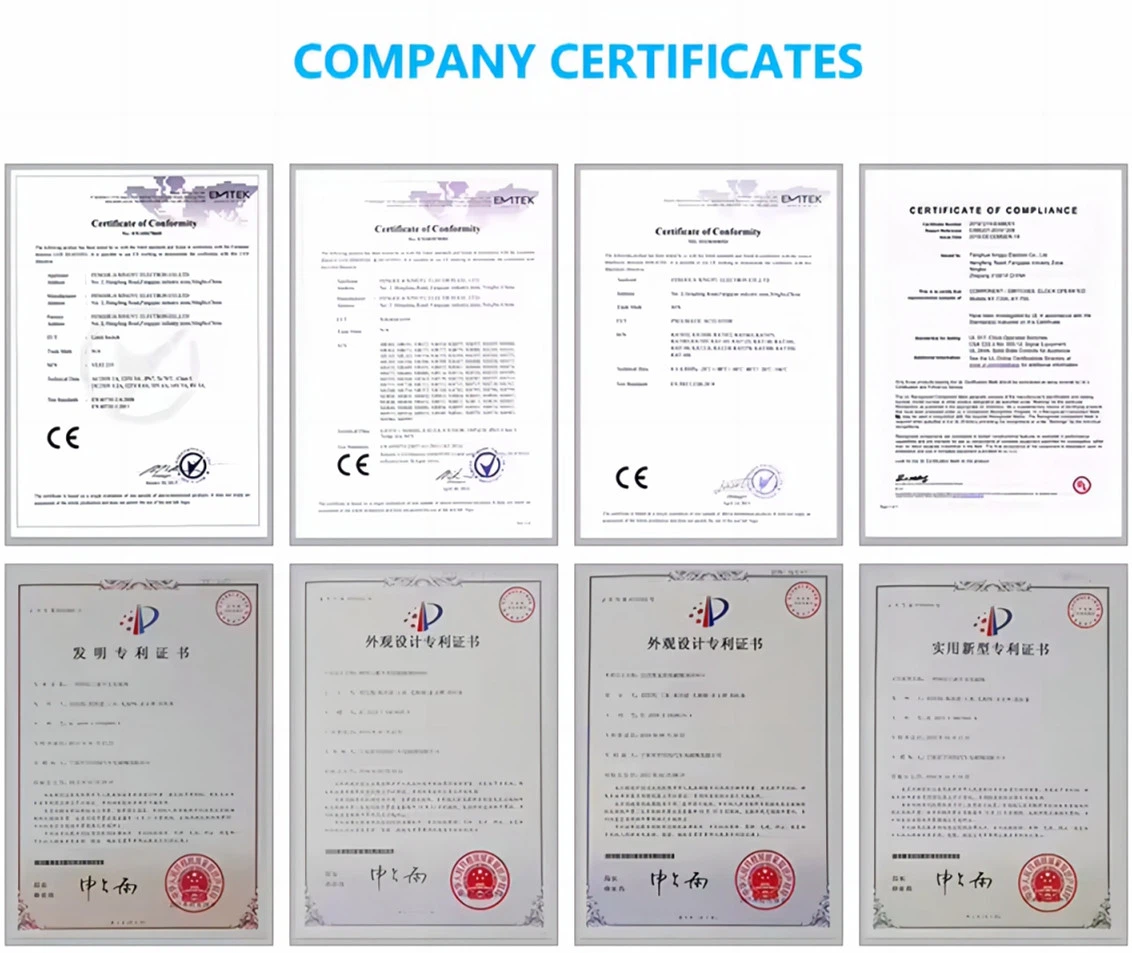
Company Introduction




Frequently Asked Questions (FAQ)
1. What are the dimensions and connector type of this pneumatic solenoid coil?
The coil has an inner diameter of 9mm and a height of 29.5mm (φ9mm × 29.5mm). It uses a DIN43650B connector – a square, 3‑pin industrial standard connector.
2. What voltage and power options are available?
Conventional DC: 12V or 24V, 3W‑4.8W or 6.5W‑8W. Conventional AC: 110V or 220V, 4VA‑5.5VA or 6VA‑8.5VA. Other voltages and powers can be customized.
3. What is the role of the solenoid valve in a pneumatic system?
The solenoid valve adjusts compressed air states (flow, pressure, direction) according to control requirements. It opens, closes, or directs airflow to actuators such as cylinders.
4. What other components are needed in a pneumatic system?
Besides the solenoid valve and coil: pneumatic connector (electrical connection), power components (compressors), executive components (cylinders), switches, display equipment, and other auxiliary equipment. The valve body is the important device for control algorithm implementation.
5. Why should I install the coil in a dry, ventilated place?
Moisture causes corrosion and electrical shorts. Dirt blocks cooling. Poor ventilation allows heat to build up. Install the valve (and coil) away from splashing, dripping, or high humidity. Ensure adequate airflow around the coil.
6. Why does prolonged or too‑frequent use cause coil burnout?
Coils generate heat when energized. Continuous energization without cycling can overheat the coil. Too‑frequent cycling (hundreds per minute) may not allow cooling between cycles. Match the coil's duty cycle to the application.
7. How do I correctly connect the DIN43650B connector?
Push the connector onto the coil pins. Tighten the center screw firmly (but not excessively). A loose connector causes arcing, which burns pins and can damage the coil. Mark the wire ends for correct polarity (if required).
8. Why is the correct power supply important?
Overvoltage (e.g., 24V on a 12V coil) over‑heats and burns the coil quickly. Undervoltage may prevent full pull‑in, causing high current draw and overheating. Use a regulated supply within ±10% of rated voltage.
9. What should I observe during use of the pneumatic solenoid coil?
Periodically check voltage and current. If voltage is normal but current is higher than normal, the coil may have a partial short. If current is zero (with voltage present), the coil is open (broken). Investigate any abnormality.
10. Does the pneumatic connector (solenoid coil) come with a warranty?
Yes. Flying Bull provides a 1‑year warranty against manufacturing defects. Damage caused by moisture ingress, overvoltage, incorrect installation, loose connector (arcing), or physical damage is not covered.
Hot Tags: pneumatic connector, China pneumatic connector manufacturers, suppliers, factory, pneumatic pre filters, pneumatic tube bushings, pneumatic manifolds blocks, pneumatic impact tools, pneumatic sprocket motors, pneumatic check valves
You Might Also Like


Send Inquiry
