


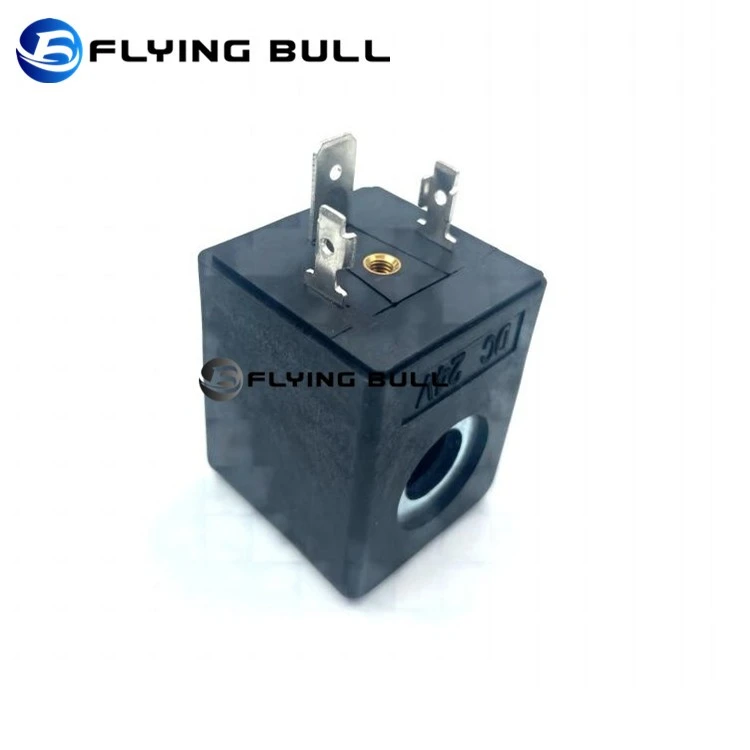


Pneumatic Solenoid Valve Coil
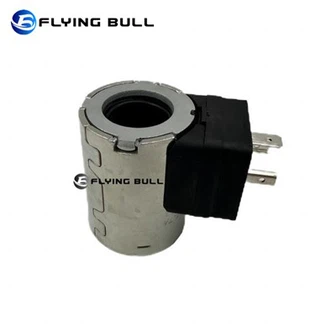
Product Description: Pneumatic Solenoid Valve Coil for Reliable Air Control (φ10mm × 31mm) Pneumatic solenoid valves depend on a strong, reliable coil to shift the spool and control airflow. When the coil fails, the valve stops working – and your pneumatic system comes to a halt. The pneumatic solenoid valve coil from Flying Bull is a direct replacement coil with dimensions φ10mm (inner diameter) by 31mm (height) . It features a three‑plug (three‑pin) connector for secure electrical connection. The coil operates with oil or air media under ordinary pressure. It is 100% brand new, manufactured in Zhejiang, China, and backed by a 1‑year warranty. Delivery takes 5–7 working days. Why Solenoid Valve Coils Fail – External and Internal Causes Whether a solenoid valve can maintain long‑term stable work has a lot to do with the cleanliness of the fluid medium. Here is a clear comparison: Working in pure water or clean air: These media contain only a small number of particles and minerals. After long operation, only a small amount of impurities attach to the spool. The coil current stays normal. The coil lasts a long time. Working in dirty liquids or unfiltered air: Many industrial fluids and compressed air systems contain a large number of particle impurities (dust, rust, pipe scale, etc.). These particles easily produce a large amount of deposition at the solenoid valve spool. Deposition affects the normal operation of the spool, leading to spool jamming. What Happens When the Spool Jams? When the spool is stuck and cannot move, the solenoid coil is still energized. The coil tries to pull the spool, but the spool does not move. With no movement, the electrical current in the coil increases several times above normal operating current. This condition is called a locked‑rotor or stalled condition. The coil overheats rapidly. Many pneumatic coils without special protection (thermal overload protection) are extremely easy to burn out in this situation. The Internal Factors – Spool and Spool Sleeve Clearance The core components of a pneumatic solenoid valve are the spool and the spool sleeve (or valve body bore). The gap (clearance) between these two parts is generally very small – often just a few microns. This tight clearance is necessary to minimize internal air leakage. However, it also makes the valve sensitive to contamination. When impurities are mixed into the fluid, or when the degree of lubrication is insufficient (for valves that require lubrication), the spool can easily become stuck between the spool and sleeve. Emergency Treatment for a Stuck Spool If the spool jams in the field and you need to get the machine running quickly, you can try this emergency method: Use a small tool such as a wire, paperclip, or small screwdriver to insert it into the small hole on the solenoid valve head (often a manual override port or a small access hole). Gently push or pry the valve spool to make it spring back (return to its normal position). This may temporarily free the spool and resume operation. Important: This is a temporary fix. The contamination is still inside the valve. The spool will likely jam again soon. Permanent Solution for Spool Sticking To completely solve the problem of sticking between the spool and spool sleeve: Disassemble the pneumatic solenoid valve – Remove the coil and disassemble the valve body. Remove the spool and spool sleeve – Carefully take out the spool (and sleeve if removable). Clean thoroughly – Use a special detergent (e.g., a safe parts cleaner, isopropyl alcohol, or a dedicated solenoid valve cleaner) to remove all deposits, old oil residue, and particles. Inspect for damage – Check the spool and bore for scratches, burrs, or wear. If damaged, replace the valve. Re‑assemble correctly – Lubricate with the recommended light oil (if the valve requires lubrication) and reassemble. Improve upstream filtration – Install or replace air line filters (5μm or better) to prevent future contamination. How to Prevent Pneumatic Solenoid Coil Burnout Install proper filtration – Use a coalescing or particulate filter (5‑40μm) upstream of the solenoid valve. Drain water traps regularly. Use the correct lubrication – Some pneumatic valves require a small amount of oil in the air (oil‑fog lubricator). Others, like many 4V series valves, are lubrication‑free. Follow the manufacturer’s specification. Avoid over‑cycling – Excessive cycle rates can overheat the coil. Check the valve’s duty cycle rating. Check voltage stability – Overvoltage or undervoltage can damage the coil. Keep supply voltage within ±10% of rated voltage.
Product Introduction
Products Description
Argument: φ: 10mm H: 31mm |
Media: Oil |
|
Warranty: 1 YEAR |
Condition: New, 100% Brand-new |
|
Place of Origin: Zhejiang, China |
Actuator: Electric |
|
Brand Name: FLYING BULL |
Quality: High-Quality |
|
Delivery: 5-7 Working Days |
Link mode: Three-plug |
Pneumatic solenoid valve coil damage causes
1. External factors
Whether the solenoid valve can maintain long-term stable work has a lot to do with the cleanliness of the fluid medium. The example may be more clear, in contrast to the solenoid valve working in pure water and other media, pure water itself contains only a small number of particles and minerals, and the solenoid valve will only have a small amount of impurities attached to the spool after a long time of work. However, there are a lot of particle impurities in other liquid media, and it is easy to produce a large amount of deposition phenomenon at the solenoid valve spool, which affects the normal operation of the valve spool, resulting in the spool jamming phenomenon.
When the spool is stuck, the current value in the pneumatic solenoid valve coil will increase several times, and some pneumatic coils without special treatment are extremely easy to be burned out.
2. Internal factors
The core components of the pneumatic solenoid valve mainly include the spool and the spool sleeve, and the gap between the two core components is generally very small, and when impurities are mixed or the degree of lubrication is not enough, it is easy to get stuck between the two. The emergency treatment for this problem is to use a tool such as wire to insert from the small hole in the solenoid valve head, so that the valve spool springs back to resume operation.
However, if you want to completely solve the problem of stuck between the spool and the spool sleeve, you need to disassemble the pneumatic solenoid valve, remove the spool and the spool sleeve, and re-assemble it after cleaning with a special detergent.


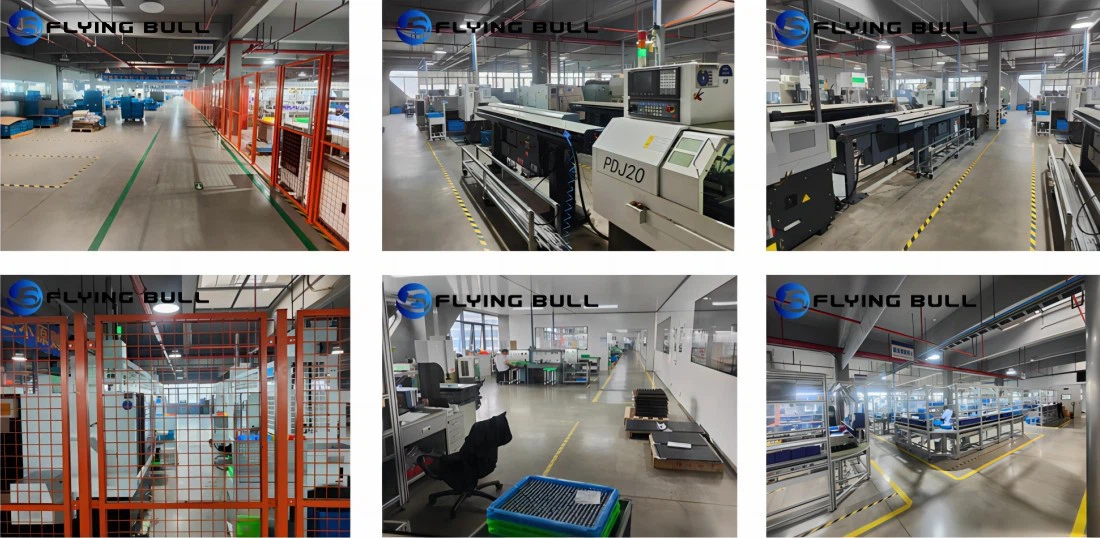
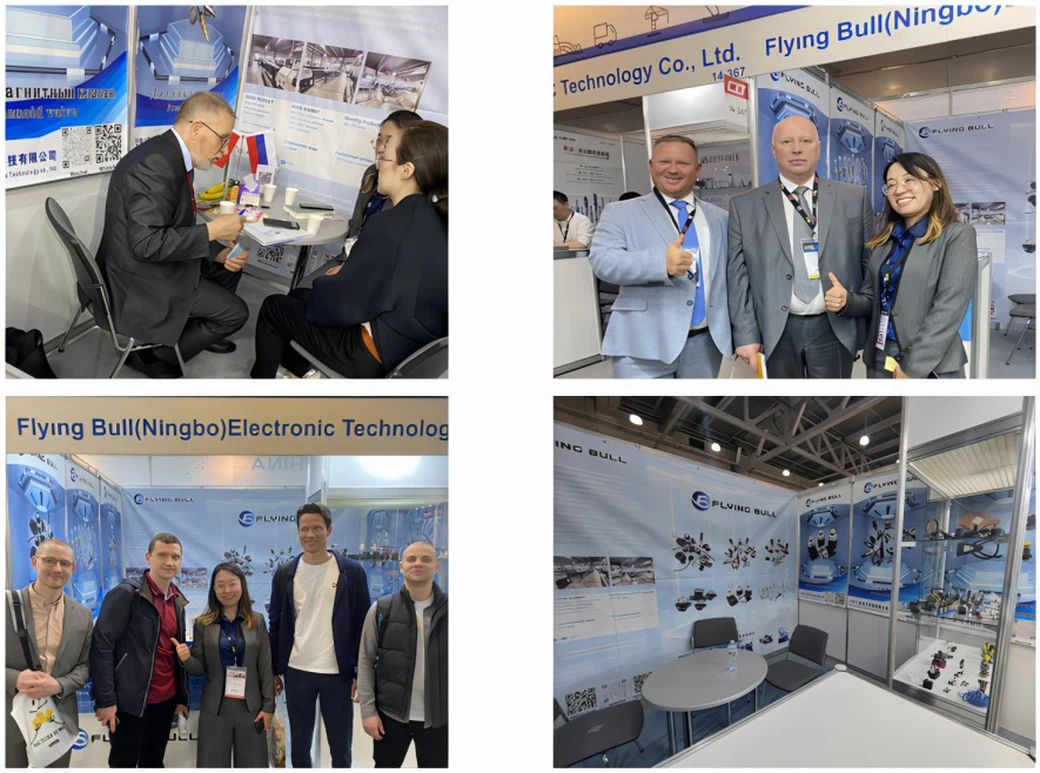
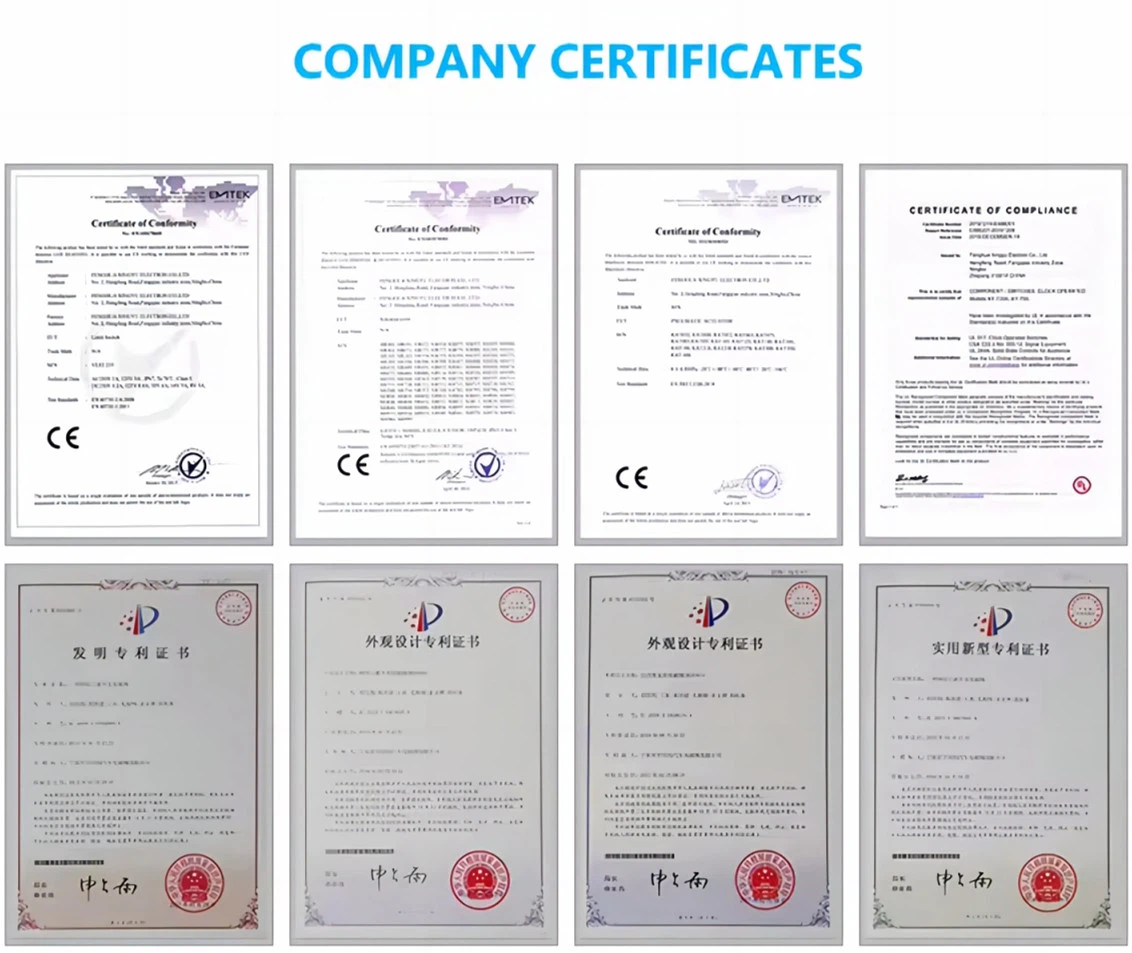
Company Introduction



Frequently Asked Questions (FAQs)
1. What are the dimensions and connector type of this pneumatic solenoid valve coil?
The coil has an inner diameter of 10mm and a height of 31mm (φ10mm × 31mm) . It features a three‑plug (three‑pin) connector (commonly used on pneumatic solenoid valves).
2. Why does a dirty fluid medium cause solenoid coil burnout?
Dirt and particles in the fluid deposit on the spool, causing it to stick. When the spool is stuck, the coil draws several times more current than normal. This overheating quickly burns out the coil, especially if it lacks thermal protection.
3. What is the difference between clean media and dirty media for solenoid valve life?
In clean media (pure water, clean air), only a small amount of impurities attach over time. Coil current stays normal, and the valve lasts a long time. In dirty media, particles deposit heavily on the spool, causing jamming and coil burnout.
4. What are the core components inside a pneumatic solenoid valve?
The two main internal components are the spool (moving part) and the spool sleeve (or valve body bore). The clearance between them is very small – just a few microns. This tight clearance makes the valve sensitive to contamination.
5. What is the emergency treatment for a stuck spool in the field?
Insert a small tool (wire, paperclip, or small screwdriver) into the small hole on the solenoid valve head. Gently push or pry the spool to make it spring back to its normal position. This may temporarily free the spool and resume operation. This is a temporary fix – contamination remains inside.
6. What is the permanent solution for a spool that keeps sticking?
Disassemble the valve. Remove the spool and sleeve. Clean both thoroughly with a special detergent (parts cleaner, isopropyl alcohol). Inspect for scratches or wear. Re‑assemble correctly. Also, improve upstream filtration to prevent future contamination.
7. Does the pneumatic solenoid valve coil come with a warranty?
Yes. Flying Bull provides a 1‑year warranty against manufacturing defects. Damage caused by spool jamming due to contamination, incorrect voltage, over‑cycling, or physical damage is not covered. Install proper filtration to protect the coil.
8. Can I use this coil on any φ10mm solenoid valve?
This coil is designed for solenoid valves with a 10mm inner diameter core tube and a three‑plug connector. Not all φ10mm valves use the same coil height or connector pinout. Always verify your original coil's dimensions, voltage, and connector type before ordering.
9. What is the difference between a three‑plug and a two‑plug coil?
A two‑plug (two‑pin) coil is a simple on/off solenoid – two wires for power. A three‑plug (three‑pin) coil may include a ground connection (protective earth) or a third pin for a feedback signal (e.g., valve position indication). Check your original coil's wiring diagram.
10. How can I prevent spool jamming and coil burnout in my pneumatic system?
(1) Install a 5‑micron or better air filter upstream of the solenoid valve. (2) Drain water from filters and air tanks daily. (3) Use the correct lubrication (if required). (4) Keep supply voltage stable. (5) Do not exceed the valve's rated cycle rate. (6) Replace worn valves before they fail completely.
Hot Tags: pneumatic solenoid valve coil, China pneumatic solenoid valve coil manufacturers, suppliers, factory, pneumatic four way valves, pneumatic tube gaskets, pneumatic impact tools, pneumatic stapling tools, pneumatic cylinders with rods, pneumatic hall effect sensors
You Might Also Like




Send Inquiry
