


Hydraulic Cartridge Valve
Product Description: Hydraulic Cartridge Valve for Reversing Control (SV10-41) Hydraulic cartridge valves are essential components in construction machinery, industrial hydraulics, and mobile equipment. The hydraulic cartridge valve from Flying Bull (Model SV10-41) is a direct-acting, screw-in cartridge valve designed for oil media under ordinary pressure. It is 100% brand new, manufactured in Zhejiang, China, and backed by a 1‑year warranty. Delivery takes 5–7 working days. What is the difference between a hydraulic cartridge valve and a solenoid valve? The only fundamental difference is the force that pushes the spool to move: Hydraulic cartridge valve (hydraulically operated): The spool is moved by the liquid pressure of the control oil (pilot pressure). No solenoid coil is present. Solenoid valve: The spool is moved by the electromagnetic suction (magnetic force) of a solenoid coil. This document focuses on hydraulic cartridge valves – specifically those used as directional control valves (hydraulic reversing valves). The Model SV10-41 falls into this category. Common Fault: No Reversal or Poor Reversal (Spool Does Not Shift or Shifts Sluggishly) When a hydraulic cartridge valve fails to reverse (shift), the actuator (cylinder or motor) will not move, or moves very slowly and unpredictably. Here are the possible causes and solutions. Cause 1: Insufficient Control Pressure Oil Pressure The pressure of the control (pilot) oil that pushes the spool to move may not be high enough. Different valve series have different minimum control pressure requirements: 6.3 MPa series hydraulic cartridge valve: Control oil pressure range: 0.3 to 6.3 MPa (minimum 0.3 MPa). 32 MPa series valve: Control oil pressure range: 1 to 32 MPa (minimum 1 MPa). If the control pressure is below the minimum value, the valve will not reverse at all. Solution 1: Appropriately increase the pressure of the control oil. Check the pilot pressure source (reducing valve, pilot pump, or relief valve). Adjust to within the specified range. Cause 2: Control Oil Pressure is Sufficient, but Return Oil from the Other End of the Spool is Not Smooth Even if the control pressure is high enough, the spool cannot move if the oil on the opposite side of the spool cannot escape quickly. Possible reasons: Dirt blockage: Particles blocking the return oil passage or the small orifice. Return orifice not large enough: The return throttle is too restrictive. High back pressure: Excessive pressure in the return line (tank line). These conditions cause the valve spool to be unable to move or to move sluggishly, resulting in no reversal or poor reversal. Solution 2: Clean the return passages. Check for restrictions. Ensure the tank line has low back pressure (ideally < 5 bar for most applications). If the return orifice is too small, consider increasing its size (requires engineering review). Cause 3: Return Spring Broken (for Spring-Return Valves) Some hydraulic cartridge valves use a return spring to push the spool back to its default position when control pressure is removed. If the return spring is broken, the spool may not return, or may not shift fully. Solution 3: Replace the return spring with a new one of the same specification. Cause 4: Valve Cover Installed Incorrectly (Wrong Orientation) When the valve cover (or pilot head) is installed in the wrong direction during disassembly and repair: The control oil may not be fed to the correct port. The return oil passage may be blocked. The result: no reversal. Solution 4: Correct the valve cover assembly direction. Ensure that the control oil port on the valve cover is directly opposite the control oil port on the valve body end face. For control oil that is introduced from the top cover plate, also ensure that the cover plate is not installed incorrectly (some plates are directional). Why Choose a Hydraulic Cartridge Valve Over a Solenoid Valve? Higher flow capacity: For the same cavity size, hydraulically operated valves can handle higher flows. No heat generation from a coil: No electrical power dissipation, so no coil heating. Intrinsically safe: No electrical components, suitable for explosive environments (mines, chemical plants) without explosion‑proof enclosures. Simpler in high‑vibration applications: No coil to loosen or connector to fail. However, hydraulic cartridge valves require a clean, reliable pilot pressure source and are generally slower to shift than direct‑acting solenoid valves. Flying Bull’s hydraulic cartridge valve (SV10-41) is a high‑quality, direct‑acting cartridge valve.
Product Introduction
Products Description
Model: SV10-41 |
Media: Oil |
|
Warranty: 1 YEAR |
Condition: New, 100% Brand-new |
|
Place of Origin: Zhejiang, China |
Power: Hydraulic |
|
Brand Name: FLYING BULL |
Quality: High-Quality |
|
Delivery: 5-7 Working Days |
Pressure: Ordinary Pressure |
The difference between Hydraulic Cartridge Valve and Solenoid valve is only that the force that pushes the spool to move is different, the former is the liquid pressure of the pressure oil, the latter is the suction of the electromagnet, the specific hydraulic reversing valve fault analysis and elimination method is as follows:
Fault: No commutation or poor commutation
The reason is that the pressure of the control pressure oil that pushes the spool to move is not enough, or the control oil pressure is enough, but the oil return of the other end of the spool is not smooth, the reason may be that the dirt is blocked, or the opening is not large enough, or the back pressure of the oil return is large. These conditions cause the valve spool of the hydraulic cartridge valve to be unable to move or move flexibly, so that it can not reverse or produce poor reversing.
The solution:
1. Appropriately increase the pressure of the control oil, the control oil pressure range of the 6.3mpa series hydraulic cartridge valve is 0.3-6.3mpa, and the control pressure oil pressure range of the 32mpa series valve is 1-32mpa, and the hydraulic valve is not possible to reverse below the minimum value.
2. For the middle position in the unloading state of m, h, k type of hydraulic direction valve, if the control oil from the system, you must install a back valve on the oil return circuit, and the back adjustment value should be large enough to friends enough pressure control oil to make the raft core move and change direction.
3. If the return spring is broken and cannot be reversed, the return spring must be replaced.
4. When the valve cover is installed in the wrong direction during disassembly and repair, the control oil will not be fed or the return oil will be blocked, resulting in no reversal. At this time, the valve cover assembly direction should be corrected, and the control oil port on the valve cover should be directly opposite the control oil port on the valve body end face: For the control oil introduced from the top cover plate, it should also be noted that the cover plate direction should not be installed incorrectly.


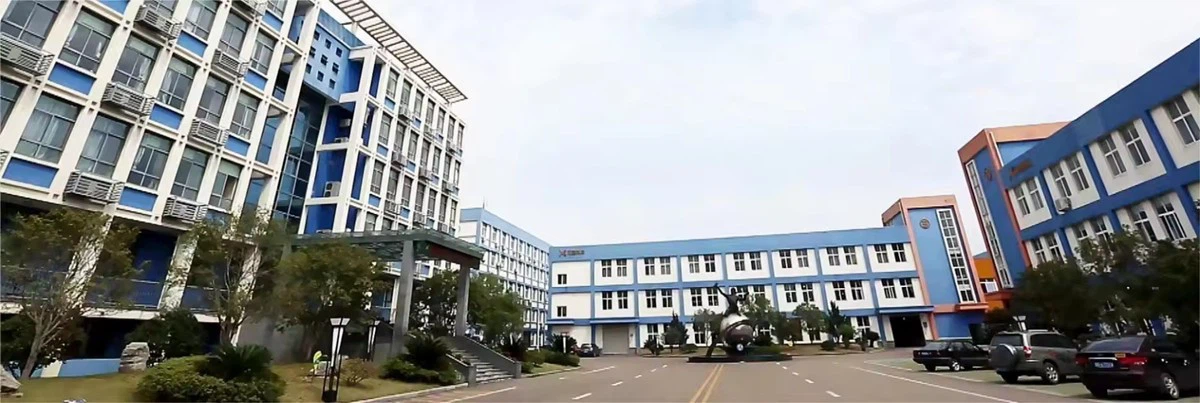
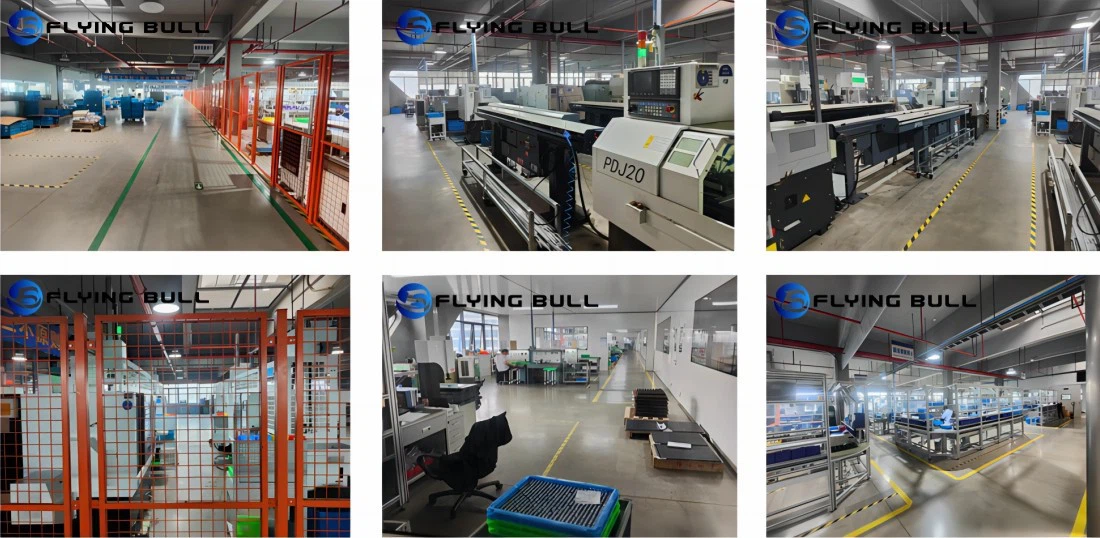
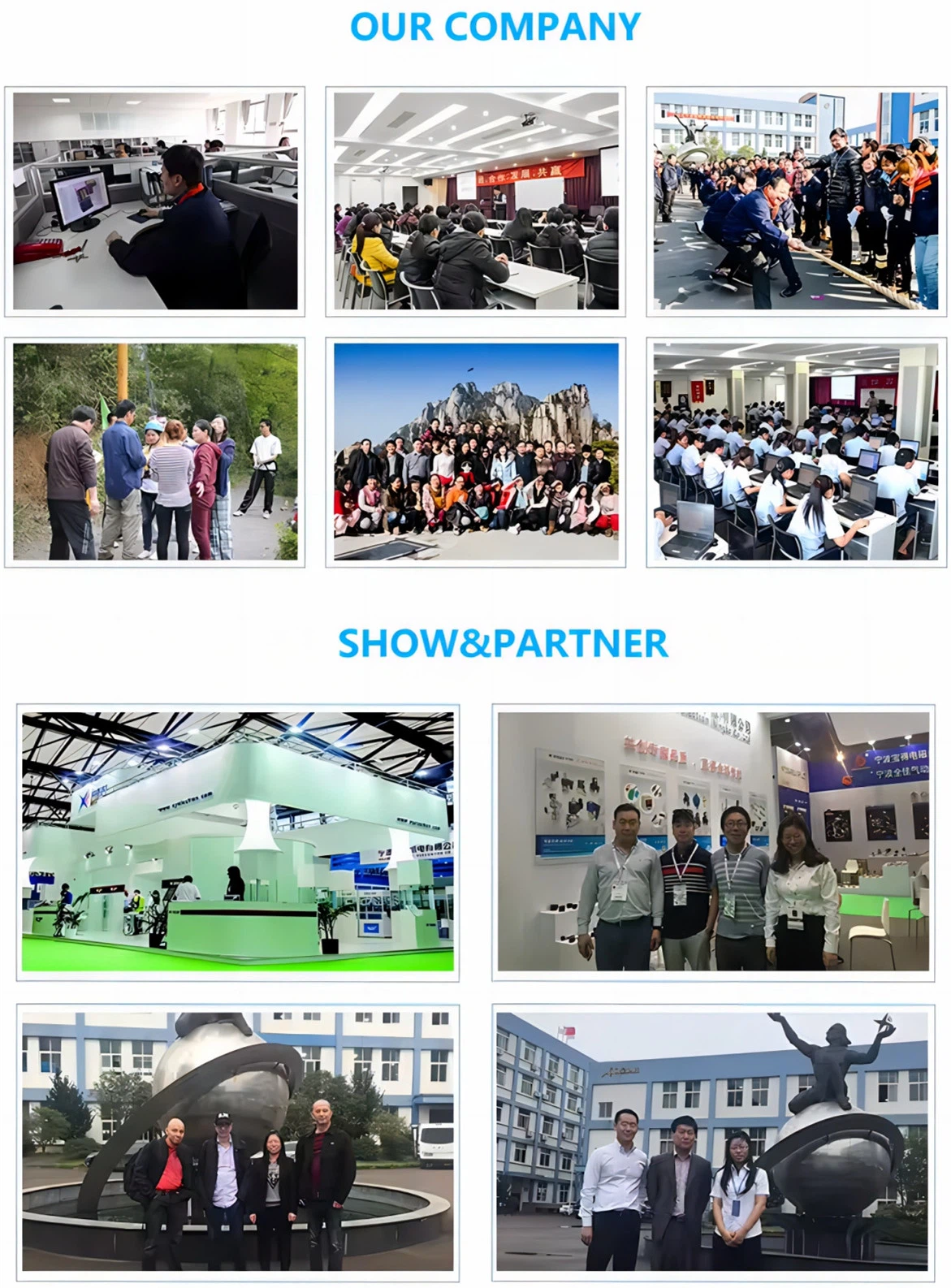
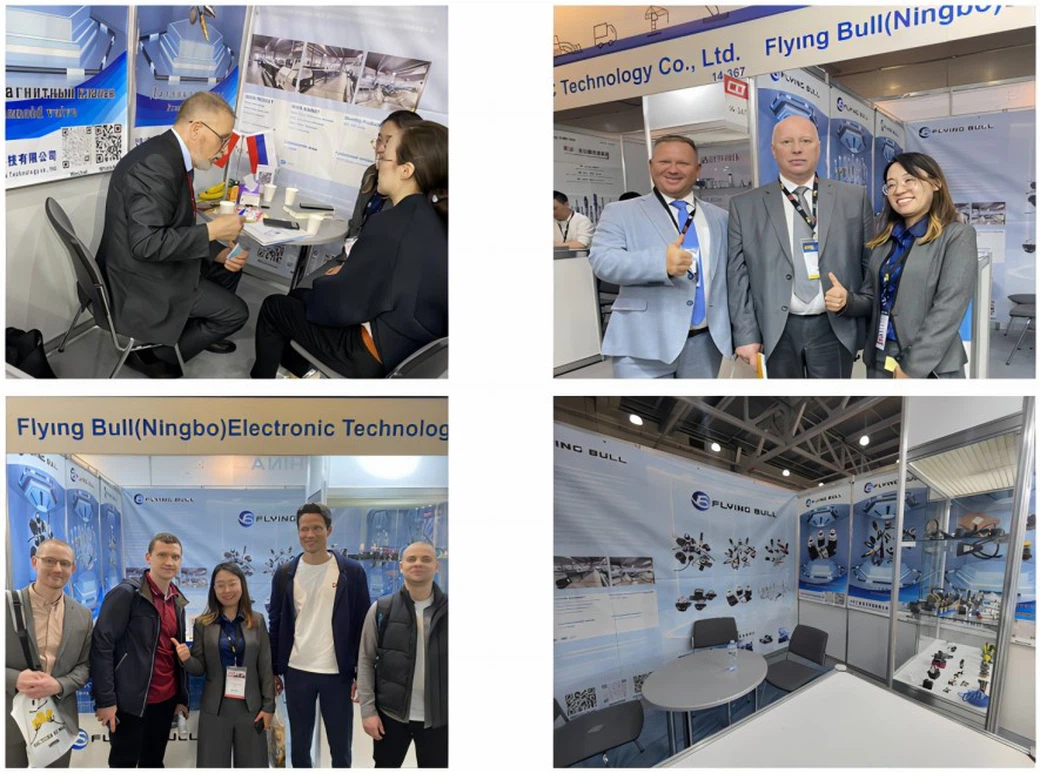
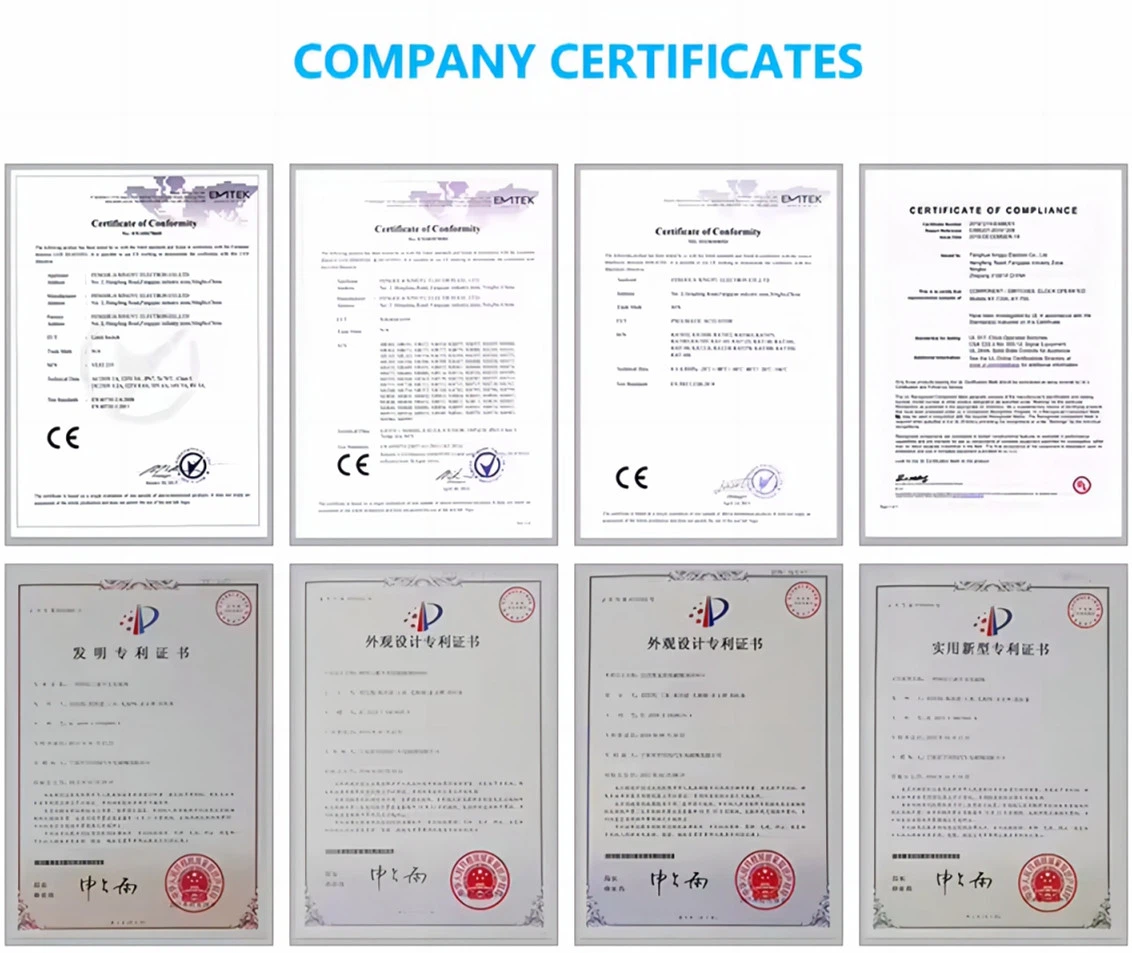
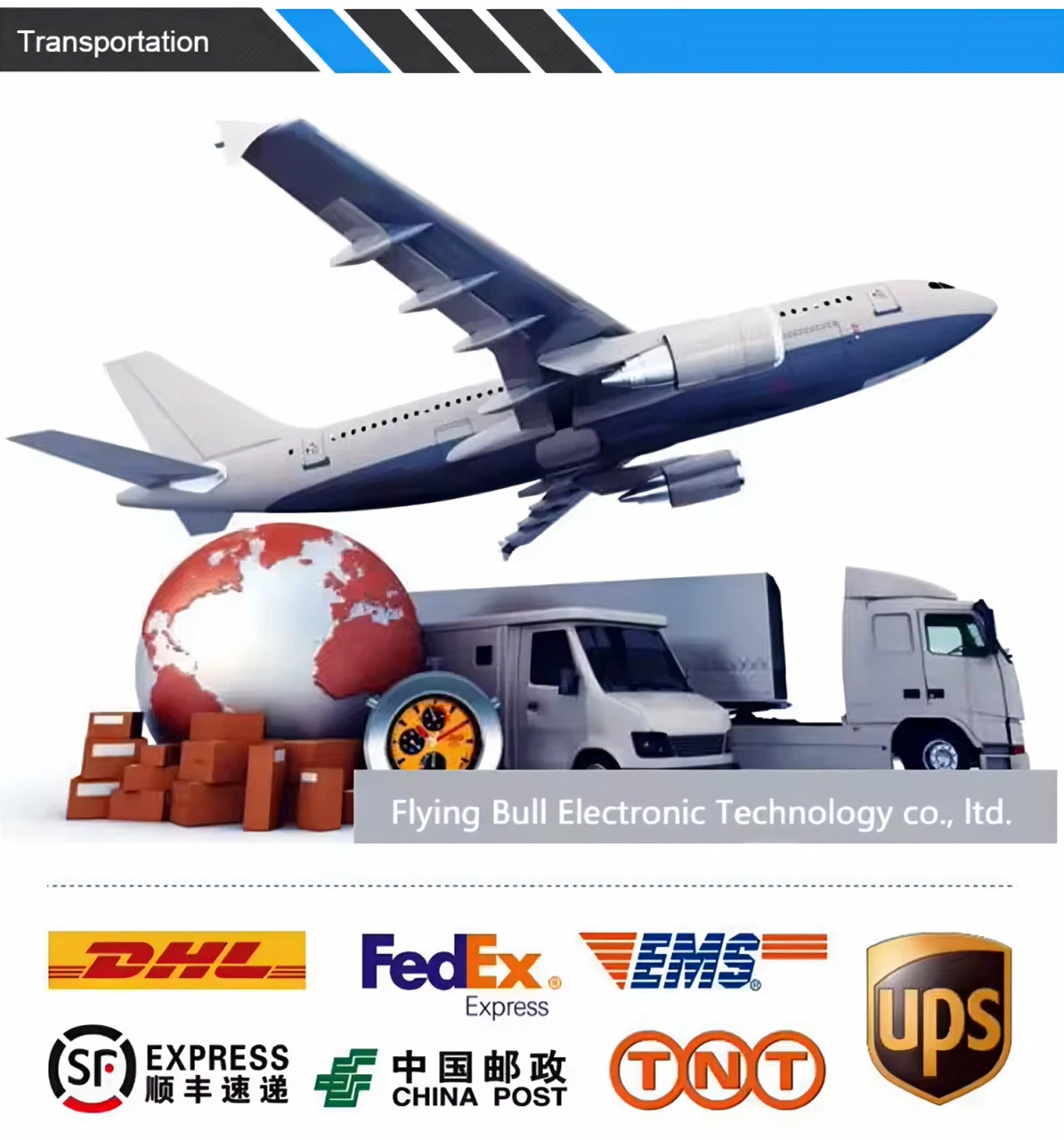
Company Introduction
Frequently Asked Questions (FAQs)
1. What is the difference between a hydraulic cartridge valve and a solenoid valve?
The only fundamental difference is the force that moves the spool. A hydraulic cartridge valve uses liquid pressure (pilot oil) to push the spool. A solenoid valve uses electromagnetic suction (magnetic force) from a coil. Both are available as cartridge (screw‑in) valves.
2. What does "no reversal or poor reversal" mean on a hydraulic reversing valve?
"No reversal" means the spool does not shift at all – the actuator does not move. "Poor reversal" means the spool shifts sluggishly – the actuator moves slowly, erratically, or not fully. Both are failures to change the flow direction correctly.
3. What is the minimum control oil pressure for the 6.3 MPa series hydraulic cartridge valve?
The minimum control oil pressure is 0.3 MPa (approximately 43.5 psi). Below this value, the valve will not reverse. The maximum is 6.3 MPa.
4. What is the minimum control oil pressure for the 32 MPa series hydraulic cartridge valve?
The minimum control oil pressure is 1 MPa (approximately 145 psi). Below this value, the valve will not reverse. The maximum is 32 MPa.
5. Why does high back pressure on the return line cause poor reversal?
If the return line (tank line) has high back pressure, the oil on the opposite side of the spool cannot escape quickly. The spool is hydraulically locked or moves slowly. Keep return line back pressure as low as possible – ideally below 5 bar for most applications.
6. How does a broken return spring affect valve operation?
In a spring‑return valve, the return spring pushes the spool back to its default position when control pressure is removed. If the spring is broken, the spool may not return, may stick in the shifted position, or may shift incompletely. The valve will not function correctly.
7. What happens if the valve cover is installed incorrectly?
If the valve cover (or pilot head) is rotated incorrectly, the control oil ports may not align. The control oil may not reach the spool, or the return oil passage may be blocked. The valve will not reverse. Always align the control oil port on the cover with the corresponding port on the valve body.
8. What are the advantages of a hydraulic cartridge valve over a solenoid valve?
(1) Higher flow capacity for the same cavity size. (2) No coil heat generation. (3) No electrical components – intrinsically safe for explosive environments. (4) No coil or connector to fail from vibration.
9. Does the hydraulic cartridge valve come with a warranty?
Yes. Flying Bull provides a 1‑year warranty against manufacturing defects. Damage caused by contaminated oil, incorrect pilot pressure, improper installation (wrong cover orientation), or overpressure is not covered.
10. Is the SV10‑41 a direct replacement for other brand cartridge valves?
The SV10‑41 is manufactured to standard cavity dimensions. However, different manufacturers may use different cavity sizes (e.g., T‑8A, T‑11A, T‑13A). Always verify that the valve's cavity, flow rate, pressure rating, and pilot pressure range match your application before ordering.
Hot Tags: hydraulic cartridge valve, China hydraulic cartridge valve manufacturers, suppliers, factory, liugong solenoid valve replaced, lovol solenoid valve replaced, hitachi solenoid valve replaced, wirtgen solenoid valve replaced, sumitomo solenoid valve replaced, atlas solenoid valve replaced
You Might Also Like


Send Inquiry
