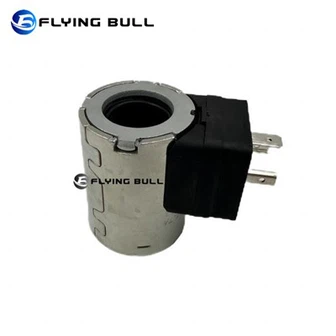
Can The Car Still Be Driven If The Transmission Solenoid Valve Is Broken?
You cannot continue to drive the car after the transmission valve body is broken. If the transmission valve body is broken, it will cause the transmission to be stuck. If there is a leak, it will cause the transmission to have a shift shock during the shift process, which is very easy to reduce the efficiency of the shift and also cause the power of the car to decrease.
Today's automatic transmissions are all electronically controlled. Like electronically controlled engines, they also have many sensors and actuators, as shown in the figure below. Among them, the solenoid valve is the actuator, which is located in the oil pan at the bottom of the transmission and installed together with the valve body. For example, common solenoid valves include locking solenoid valves, shift solenoid valves and oil pressure solenoid valves. When shifting, the transmission computer sends a voltage signal to the solenoid valve. This signal can control the movement of each shift valve and change the oil circuit flowing to the shift actuator to achieve automatic shifting of the gear.
Failure of the transmission magnetic valve will cause many problems, such as: transmission shifting setbacks, shifting slippage, gear entry shock, and the inability of the transmission to shift up. You can pass the controlled medium (pressurized transmission oil) through the solenoid valve, and then energize the solenoid valve coil. If the transmission oil changes from on to off or from off to on, then the solenoid valve is good, otherwise it is faulty.