

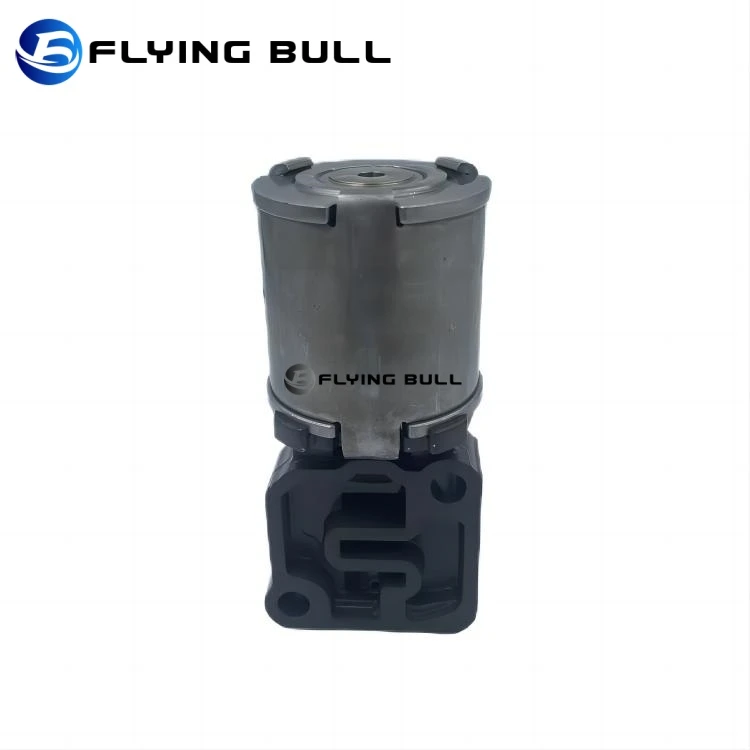


Car Solenoid Valve
Product Description: Car Solenoid Valve for VW/Audi Dual-Clutch Transmissions (0BH927339A) Audi and Volkswagen vehicles with 7‑speed wet dual‑clutch transmissions deliver quick shifts and good fuel economy. But when a solenoid valve fails inside the mechatronic unit, you may lose odd gears, experience shift delays, or see fault codes like “clutch position sensor 1 electrical fault.” The car solenoid valve from Flying Bull (Type 0BH927339A) is a direct replacement for DQ500, DQ380 (ODE), and DQ250 transmissions. These transmissions are widely used in Volkswagen Group vehicles, including Volkswagen Passat, Tiguan, Magotan, Touareg, CC; Audi Q3; and Škoda Kodiaq and Superb. Common Failure Symptoms in DQ500 and DQ380 Gearboxes: A typical failure symptom is no odd gears but only even gears (or the reverse). You may also experience shift delays – the transmission hesitates before engaging a gear. A mechanic scanning the transmission control unit may find the fault code “clutch position sensor 1 electrical fault” . That code often points to a failed solenoid or a problem within the mechatronic unit. Why Do Car Solenoid Valve Gearboxes Fail? Here are Nine Common Causes: Solenoid Valve Itself Fails: The solenoid valve is an important part of the transmission control system, responsible for controlling hydraulic flow and pressure. When the solenoid fails, the transmission control system cannot function correctly. Iron Impurities in the Fluid: If the valve body computer or transmission has severe mechanical wear, a large amount of iron impurities (metal particles) circulates with the transmission oil. These particles enter the valve body. Because the clearance between the valve and spool is very small, iron particles wear the valve passages. Once worn, the valve leaks internally or sticks. Fault Light and Abnormal Behavior: When parts fail, the transmission may behave abnormally. The check engine light or transmission fault light will illuminate. A diagnostic scan will display a fault code related to the solenoid valve circuit. Damaged Socket Metal Reed: The electrical connector socket has small metal reeds (terminals) that contact the solenoid pins. If a reed bends or breaks, the electrical connection fails. The solenoid will not receive power or signal. Transmission Oil Deterioration: Old, burnt, or contaminated transmission fluid loses its lubricating and cooling properties. Deteriorated oil can cause solenoids to stick or valves to wear faster. It also leads to overheating. Circuit Damage: Wiring harnesses inside the transmission or between the TCU and the solenoid can chafe, break, or develop high resistance. Circuit damage prevents the solenoid from receiving the correct voltage or signal. Solenoid Coil Damage: The solenoid coil can burn out from voltage spikes, overheating, or age. A damaged coil will have an open circuit (infinite resistance) or a short circuit (near‑zero resistance). The solenoid will not operate. Transmission Oil Temperature Too High: Excessive heat degrades the solenoid coil insulation and stiffens seals. Persistent overheating is often caused by low fluid level, contaminated fluid, or heavy load with insufficient cooling. Poor Cable Contact: Loose or corroded connections at the solenoid connector or TCU plug cause intermittent faults. The solenoid may work sometimes and fail other times – a difficult problem to diagnose. Flying Bull’s car solenoid valve 0BH927339A is 100% brand new, manufactured in Zhejiang, China, and backed by a 1‑year warranty. Delivery takes 5–7 working days. For transmission shops and DIY mechanics, replacing a failed solenoid can restore proper dual‑clutch shifting.
Product Introduction
Products Description
Type: 0BH927339A |
Media: Oil |
|
Warranty: 1 YEAR |
Condition: New, 100% Brand-new |
|
Place of Origin: Zhejiang, China |
Actuator: Auto solenoid valve |
|
Brand Name: FLYING BULL |
Quality: High-Quality |
|
Delivery: 5-7 Working Days |
Apply: DQ500, DQ250, 0BH transmission |
The car solenoid valve 0BH927339A is suitable for Audi/Volkswagen.
The DQ380 (ODE) and DQ500 gearboxes are 7-speed wet dual-clutch gearboxes widely used by Volkswagen series models such as Passat, Tiguan, Magtan, Tuon, CC, Audi Q3 (parameter), Skoda Cordiac and Suepay.
The Audi Q3 is equipped with a 7-speed wet dual-clutch transmission of the DQ500, and the car's symptoms are mainly that there are no odd gears but only even gears, and there is a shift delay. The mechanic inspected the gearbox and identified the fault code as "clutch position sensor 1 electrical fault", which is a clear indication of the failure of the electromechanical unit.
The car solenoid valve gearbox is broken because:
1. Solenoid valve itself failure: Solenoid valve is an important part of the transmission control system, responsible for controlling the flow and pressure of the hydraulic system, when the solenoid valve failure, it will lead to the failure of the transmission control system.
2. Valve body computer, gearbox mechanical wear serious case, a large number of iron impurities with the transmission oil into the valve body, iron impurities on the valve body internal work caused by wear, because the space between the valve and the spool is very small, so the valve way is also worn.
3. When the parts of our car are damaged, there will generally be abnormal behavior, and the fault light will be lit, and the electromagnetic valve of the gearbox will be displayed after the failure.
4. The metal reed of the socket is damaged.
5. Transmission oil deterioration.
6. The circuit is damaged.
7. The solenoid valve coil is damaged.
8. Transmission oil temperature is too high.
9. Poor cable contact.


Company Introduction


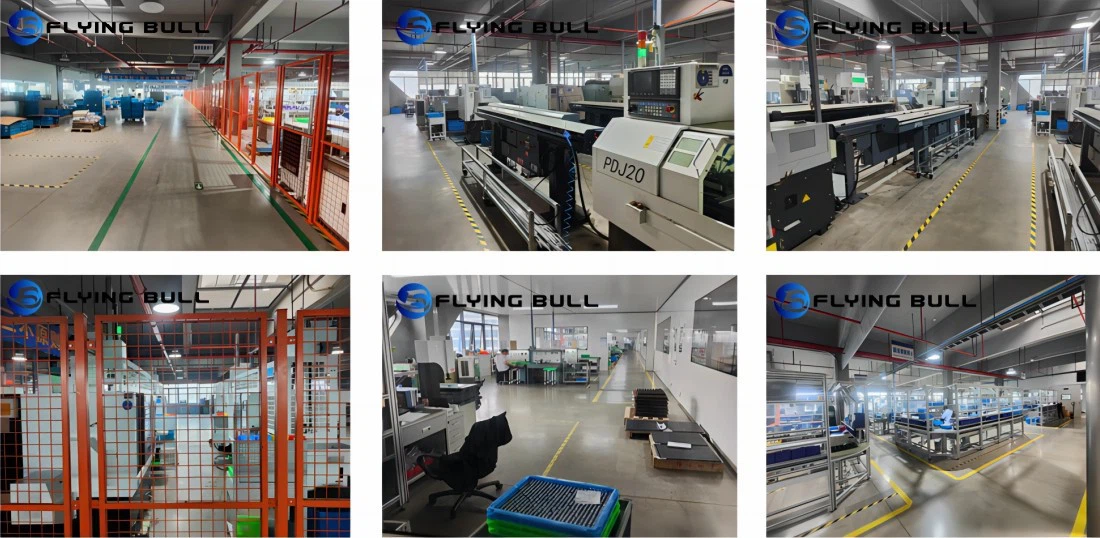


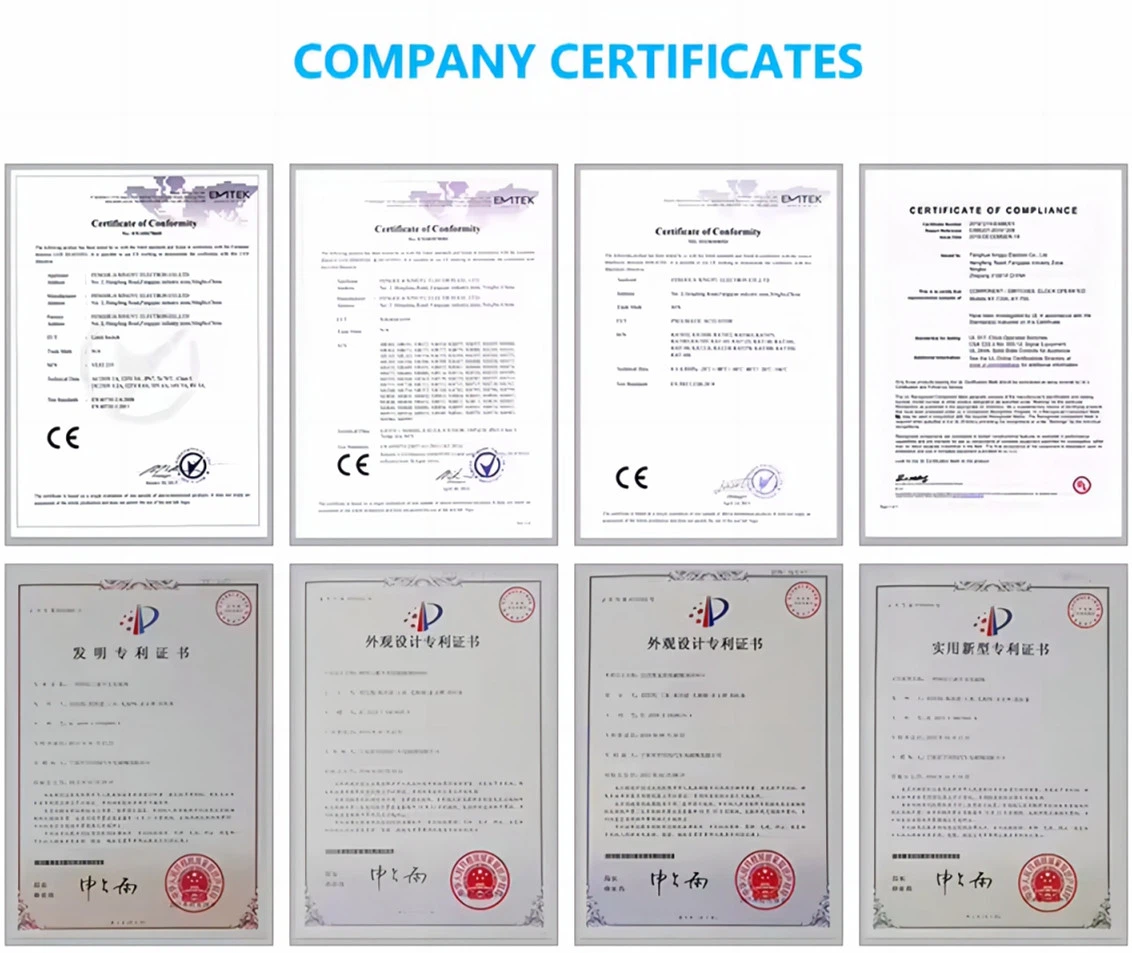
Frequently Asked Questions (FAQs)
1. What is the part number and basic application of this car solenoid valve?
The part number is 0BH927339A. This solenoid valve is suitable for Audi and Volkswagen vehicles with DQ500, DQ380 (ODE), and DQ250 wet dual‑clutch transmissions.
2. Which specific VW Group models use these transmissions?
Volkswagen Passat, Tiguan, Magotan, Touareg, CC; Audi Q3; Škoda Kodiaq and Superb. Transmission availability varies by model year and engine. Always verify your transmission code before ordering.
3. What symptoms indicate a failed 0BH927339A solenoid valve?
Common symptoms include: no odd gears but only even gears (or the opposite), shift delays (transmission hesitates before engaging), and fault code "clutch position sensor 1 electrical fault" in the TCU.
4. How does iron contamination damage solenoid valves?
If the transmission has internal mechanical wear, metal particles circulate in the oil. These iron impurities enter the valve body. The clearance between the valve spool and its bore is very small. Iron particles wear the bore and spool, causing internal leakage and sticking. That is why fluid changes and filters are critical.
5. What are common electrical causes of solenoid failure?
Electrical causes include: damaged socket metal reeds (bent or broken terminals), circuit damage (chafed wires), poor cable contact (loose or corroded connectors), and solenoid coil damage (burned open or shorted). Always check the connector and wiring before replacing the solenoid.
6. How does transmission oil condition affect solenoid valves?
Old, burnt, or contaminated fluid loses its lubricating properties. It can cause solenoids to stick. Deteriorated fluid also fails to cool the transmission properly, leading to high oil temperatures. High heat degrades solenoid coil insulation and stiffens seals. Change fluid and filter at recommended intervals.
7. What causes high transmission oil temperature?
Common causes: low fluid level, old/contaminated fluid, heavy towing or loading with insufficient cooling, a stuck thermostat, or a failed cooler. Persistent overheating will damage solenoids and other internal components. Address the root cause before replacing solenoids.
8. Can a poor cable connection cause intermittent solenoid faults?
Yes. Loose or corroded connections at the solenoid connector or TCU plug cause intermittent faults. The solenoid may work sometimes and fail at other times – a frustrating problem. Always inspect and clean connectors before replacing the solenoid.
9. Does the car solenoid valve 0BH927339A come with a warranty?
Yes. Flying Bull provides a 1‑year warranty against manufacturing defects. Damage caused by contaminated fluid, iron contamination from internal wear, overheating, incorrect installation, voltage spikes, or circuit issues is not covered.
10. Is this valve a direct replacement for the original Audi/VW part?
Yes. The 0BH927339A is manufactured to replace the original solenoid valve in DQ500, DQ380, and DQ250 transmissions. It matches the original dimensions, hydraulic characteristics, and electrical specifications. Always verify your original part number before ordering.
Hot Tags: car solenoid valve, China car solenoid valve manufacturers, suppliers, factory, auto solenoid valve, engine solenoid valve, car solenoid valve, automotive solenoid valve
You Might Also Like


Send Inquiry
