


Solenoid Valve Coil Of Pig Farming Equipment
Reliable Solenoid Coil for Pig Farming & Agricultural Equipment – φ16mm × 50mm Automated pig farming equipment – feed delivery systems, water valves, ventilation controls, and waste management – depends on reliable solenoid valves. When a solenoid coil fails, the valve stops working, and the automated process stops. The solenoid valve coil of pig farming equipment from Flying Bull is a direct replacement coil designed for agricultural and mechanical equipment. It has an inner diameter of 16mm and a height of 50mm (φ16mm × 50mm). The coil is thermoplastic sealed for moisture resistance – critical in wet farm environments. It operates on DC12V or DC24V (19W or 29W power) and features a DIN43650A connector. The coil is 100% brand new, manufactured in Zhejiang, China, and backed by a 1‑year warranty. Delivery takes 5–7 working days. Key specifications Inner diameter: 16mm Height: 50mm (51mm in some references) Voltage options: DC12V, DC24V (conventional) Power options: 19W, 29W (conventional) Connector: DIN43650A (industrial standard) Sealing: Thermoplastic sealed – moisture resistant Other voltages and powers can be customized on request. Application This coil is applicable to: Solenoid valve coil of pig farming equipment – feed dispensers, water nipples, ventilation dampers, slurry valves. Mechanical equipment solenoid valve coil – general agricultural machinery, industrial automation. Why thermoplastic sealing matters in farming Pig farming environments are wet, dusty, and corrosive (ammonia from manure). A standard open‑frame coil would quickly fail. The thermoplastic sealed design encapsulates the copper windings in a molded plastic housing. This protects the coil from: Moisture (splashing, high humidity, pressure washing). Dust and feed particles. Corrosive gases (ammonia). Physical impact (bumping by animals or equipment). How to measure (test) a solenoid coil – three methods Method 1 – Resistance measurement with a multimeter Use a multimeter set to ohms (Ω). Connect the multimeter probes to the coil’s two pins (disconnect the coil from the valve first). Observe the value displayed on the multimeter screen. If the value exceeds the rated resistance (e.g., 50Ω instead of 20Ω), the coil has aged – internal corrosion or winding degradation has increased resistance. If the value is lower than the rated resistance (e.g., 5Ω instead of 20Ω), there is a short circuit between turns (turn‑to‑turn short). The coil will overheat. If the value is infinite (OL on the meter) , the coil has an open circuit – a broken wire inside. If the value is within the normal range – proceed to Method 2 or 3. A normal resistance reading does not guarantee the coil is good. All of these phenomena (high resistance, low resistance, infinite resistance) mean the solenoid coil has failed and needs to be replaced with a new one. Method 2 – Magnetic pull test Connect the solenoid coil to the correct voltage power supply (e.g., 24V DC for a 24V coil). Hold a small screwdriver or a steel rod near the center hole of the coil. If you hear a click (the armature pulling in) and feel magnetic attraction – the coil is good. If there is no sound and no magnetic attraction – the coil is damaged, even if the resistance measured normal in Method 1. Method 3 – Audible click test (for valves with a visible or audible armature) If the coil is mounted on a valve, apply power. Listen carefully. A distinct click indicates the armature has moved – the coil is generating enough magnetic force. No click, or a weak buzzing sound without full pull‑in – the coil may be weak (partially shorted) or the valve spool is stuck (mechanical problem). Why choose Flying Bull for solenoid valve coils in pig farming? Direct replacement – φ16mm × 50mm fits many standard valves. Thermoplastic sealed – Resists moisture, dust, ammonia. DIN43650A connector – Standard industrial connection. Voltage and power options – 12V, 24V; 19W, 29W. Customization available – Other voltages and powers on request. 100% brand new – Not rebuilt. 1‑year warranty – Against manufacturing defects. Fast delivery – 5‑7 working days from Zhejiang, China. Flying Bull’s solenoid valve coil of pig farming equipment is a reliable, high‑quality replacement. Use the testing methods above to diagnose failed coils. Choose Flying Bull for durable components in demanding agricultural environments.
Product Introduction
Products Description
Argument: φ: 16mm H: 50mm |
Media: Air |
|
Warranty: 1 YEAR |
Condition: New, 100% Brand-new |
|
Place of Origin: Zhejiang, China |
Actuator: Electric |
|
Brand Name: FLYING BULL |
Quality: High-Quality |
|
Delivery: 5-7 Working Days |
Apply: Solenoid valve coil |
Thermoplastic sealed electromagnetic coil inner hole 16mm height 51mm, Applicable to solenoid valve coil of pig farming equipment, mechanical equipment solenoid valve coil.
Conventional voltage DC12V, DC24V
Conventional power 19W 29W
Other voltages and powers can also be customized.
Coil connection DIN43650A
We have different solenoid valve coil of pig farming equipment, mechanical equipment and other solenoid valve coil.
How to measure the solenoid coil?
1. If you want to measure the quality of the solenoid coil, you can first use a multimeter to measure, and then use static inspection method to determine the quality of the solenoid coil. First connect the nib of the multimeter to the pin of the solenoid coil, and then observe the value displayed on the display of the multimeter in detail. If the value on the display will exceed the rated value, it means that the solenoid coil has been aging.
2. If the value on the display will be lower than the rated value, it means that there is a short circuit between the turns of the solenoid valve coil. If the value on the display is infinite, it means that the solenoid coil has an open circuit. All of these phenomena mean that the solenoid coil has failed and needs to be replaced with a new one.
3. If you want to measure the quality of the solenoid coil, you can also connect a 24 volt power supply to the solenoid coil, if you will hear a sound, it means that the solenoid coil is good, and there is no problem, you can normally suck and, if there is no sound, it represents the solenoid coil is damaged.


Company Introduction


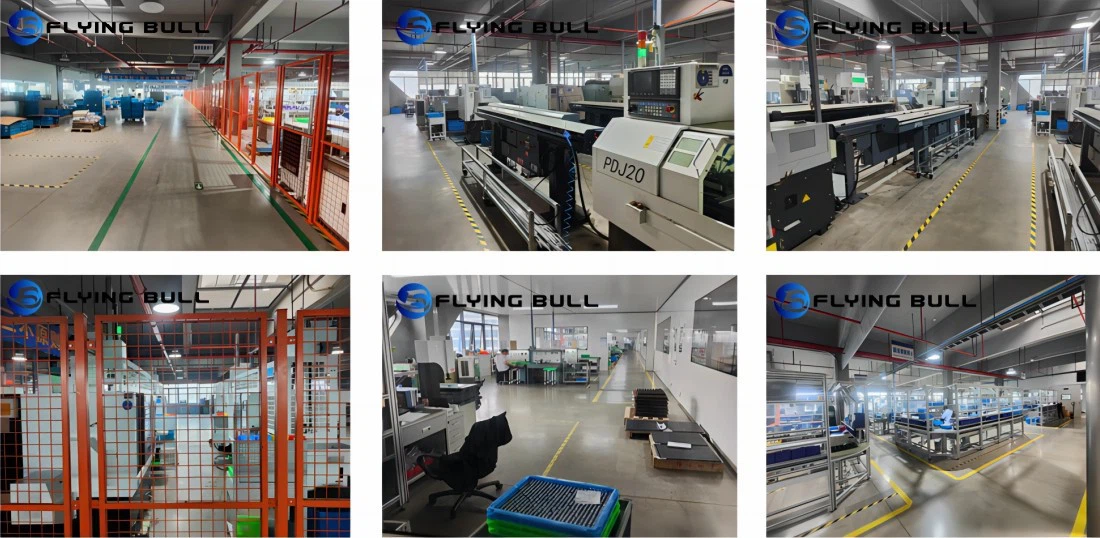

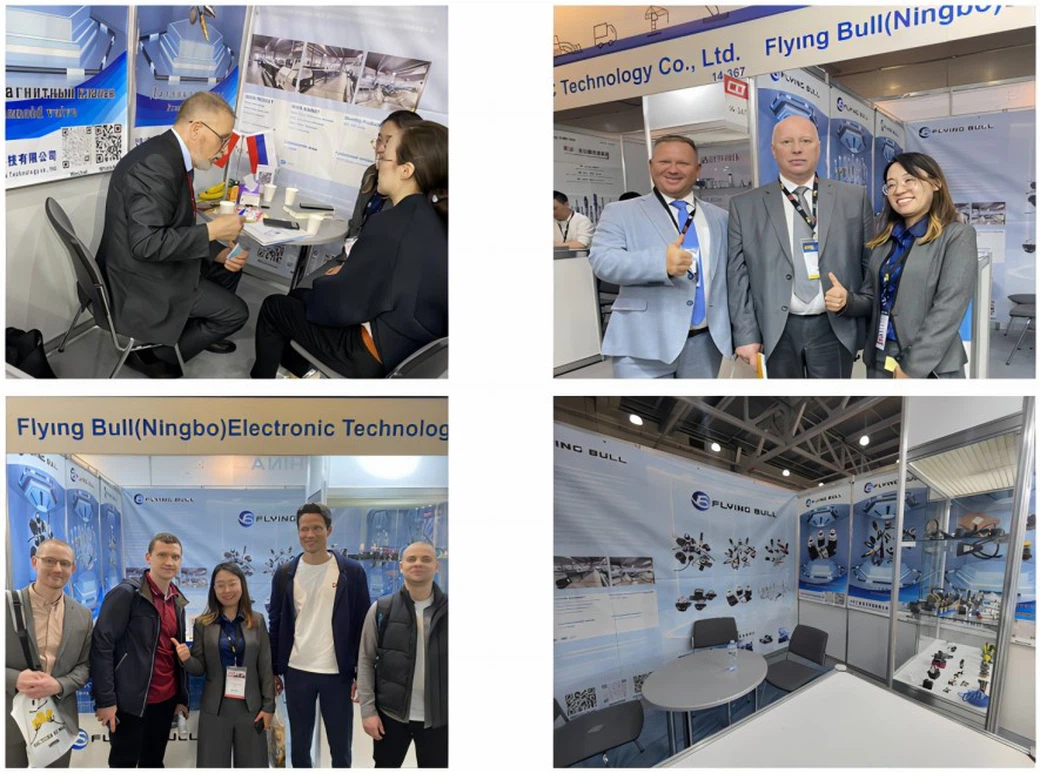
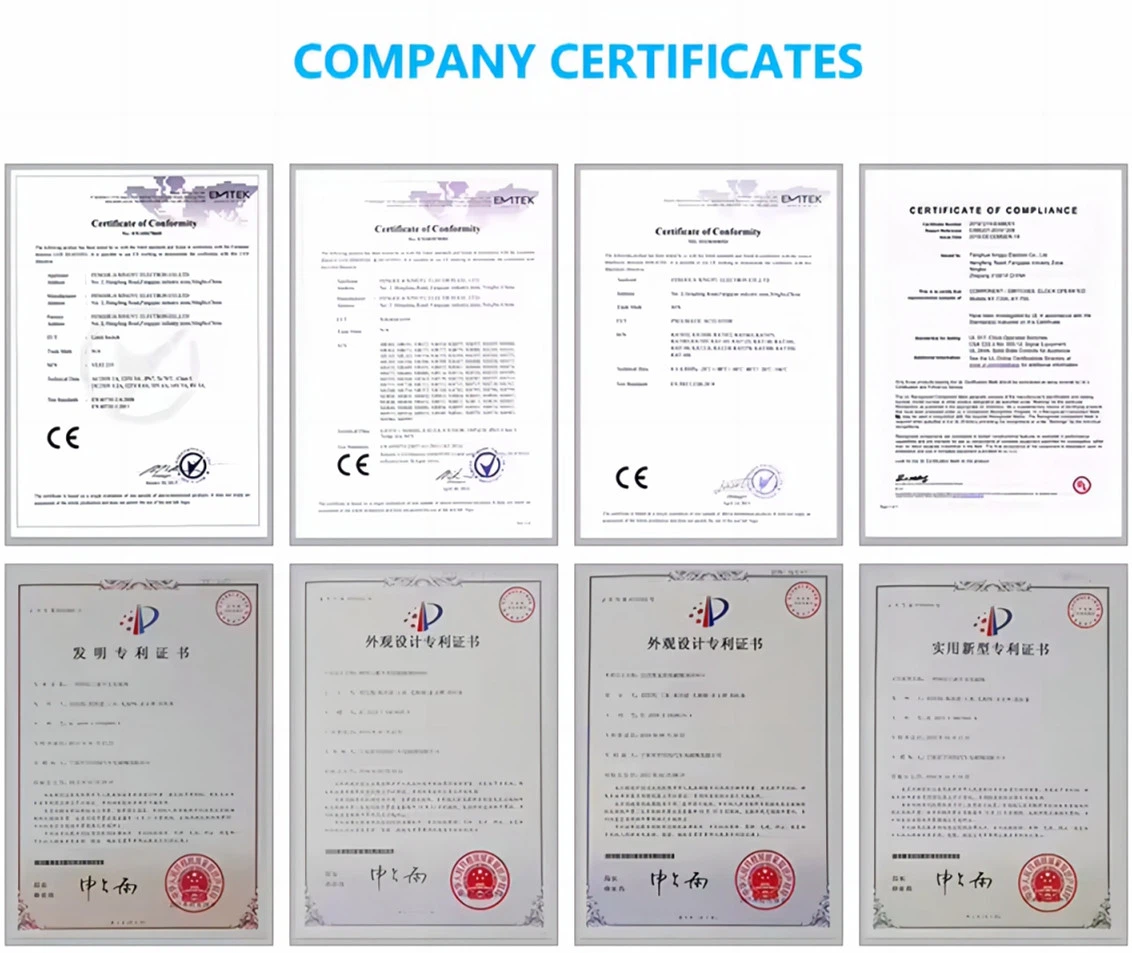
Frequently Asked Questions (FAQ)
1. What are the dimensions and electrical specifications of this solenoid coil?
The coil has an inner diameter of 16mm and a height of 50mm (φ16mm × 50mm). Conventional voltages: DC12V and DC24V. Conventional power: 19W and 29W. Other voltages and powers can be customized.
2. What connector type does this coil use?
The coil uses a DIN43650A connector – a standard industrial solenoid valve connector (rectangular, 2‑pin, with a center screw).
3. Why is thermoplastic sealing important for pig farming equipment?
Pig farming environments are wet, dusty, and contain corrosive gases (ammonia from manure). Thermoplastic sealing encapsulates the copper windings in a molded plastic housing. This protects the coil from moisture, dust, ammonia, and physical impact – greatly extending service life.
4. How do I test a solenoid coil using a multimeter (Method 1)?
Set the multimeter to ohms (Ω). Measure across the two pins. High resistance (> rated value) = coil aging. Low resistance (< rated value) = short circuit between turns. Infinite resistance (OL) = open circuit (broken wire). Any of these means the coil has failed.
5. What does it mean if the multimeter reading is normal but the coil still doesn't work?
A normal resistance reading does not guarantee the coil is good. Perform the magnetic pull test (Method 2) or the audible click test (Method 3). The coil may have a partial short or internal damage that only shows up under power.
6. How do I perform the magnetic pull test (Method 2)?
Connect the coil to the correct voltage (e.g., 24V DC). Hold a small screwdriver or steel rod near the center hole of the coil. If you feel strong magnetic attraction (and hear a click), the coil is good. If no attraction, the coil is damaged.
7. How do I perform the audible click test (Method 3)?
Apply power to the coil while it is mounted on a valve (or with the armature inserted). Listen carefully. A distinct click indicates the armature has moved – the coil is good. No click, or a weak buzzing without full pull‑in, indicates a weak coil or a mechanically stuck spool.
8. What is the most common cause of coil failure in pig farming environments?
Moisture ingress and corrosion are the most common causes. Even a small crack in the thermoplastic housing allows water to enter. The water causes corrosion of the copper windings, leading to open circuits or short circuits. Ammonia gas accelerates corrosion.
9. Does the solenoid valve coil of pig farming equipment come with a warranty?
Yes. Flying Bull provides a 1‑year warranty against manufacturing defects. Damage caused by moisture ingress (if the housing is physically damaged), overvoltage, incorrect installation, or physical impact is not covered.
10. Is this coil a direct replacement for the original valve coil on my pig farming equipment?
If your original coil has a 16mm inner diameter, 50mm height, DIN43650A connector, and matching voltage (12V or 24V), this coil is a direct replacement. Always verify your original coil's specifications before ordering.
Hot Tags: solenoid valve coil of pig farming equipment, China solenoid valve coil of pig farming equipment manufacturers, suppliers, factory, automotive solenoid valve coil, solenoid valve coil of pig farming equipment, animal husbandry machine solenoid valve coil
You Might Also Like


Send Inquiry
