


Truck Solenoid Valve Coil
Durable Solenoid Coil for Excavators and Trucks – 280239 Replacement Heavy equipment – excavators, loaders, and trucks – depend on solenoid valve coils to control hydraulic functions, fan pumps, and transmission shifts. When a coil fails, the machine may overheat, lose hydraulic power, or stop moving. The truck solenoid valve coil from Flying Bull (OE No. 280239) is a direct replacement for coils used in EC210B, EC360B, EC210 excavators and other heavy equipment. It measures φ16mm (inner diameter) by 53mm (height) and is available in DC12V (17W) or DC24V (27W). The coil operates with oil media under ordinary pressure. It is 100% brand new, manufactured in Zhejiang, China, and backed by a 1‑year warranty. Delivery takes 5–7 working days. Cross-reference OE numbers for this truck solenoid valve coil: This coil replaces several OE numbers commonly used on excavators and heavy trucks, including: 280239 (primary OE number) 14616523 14616529 280253 280254 280154 280151 280153 These coils are often found on fan pump control valves, hydraulic pilot valves, and transmission solenoids. Always verify your original coil’s dimensions, voltage, and power rating before ordering. Five common causes of solenoid valve coil failure in trucks and excavators: 1. Supply voltage too high (above rated voltage) – When the power supply voltage is higher than the coil’s rated voltage, the main magnetic flux increases. That causes an increase in electrical current through the coil. Core losses (eddy currents and hysteresis) also increase, heating the core and the coil. Prolonged overvoltage will overheat the insulation and eventually burn the coil. 2. Supply voltage too low (below rated voltage) – When the voltage is lower than the coil’s rated voltage, the magnetic flux in the magnetic circuit is reduced. Electromagnetic force also drops. The moving core (plunger) may not be able to pull in fully. That leaves a long‑term air gap in the magnetic circuit. Magnetic resistance (reluctance) in the air gap is many times larger than in the closed position. The result is a surge in excitation current (inrush current). Even a short time in this state can overheat and burn the coil. 3. Operation frequency too high – Solenoid coils are rated for a certain duty cycle (e.g., continuous, intermittent, or short‑time). If the valve cycles on and off too frequently (high operation frequency), the coil does not have enough time to cool down between cycles. Heat builds up cycle after cycle. Overheating degrades insulation and causes coil burnout. 4. Mechanical failure preventing pull‑in – If the valve’s moving core (plunger) cannot pull in fully, the coil will draw excessive current and overheat. Common mechanical causes include: Deformed or misaligned contactor contacts. Foreign objects (dirt, metal chips, debris) lodged between contacts, between the static iron core and moving core, or inside the spring. The moving core is stuck due to corrosion, lack of lubrication, or a bent guide. When the coil is energized but the core cannot pull in (or pulls in poorly), the air gap remains. That causes the same inrush current surge as a low‑voltage condition – burning the coil. 5. Poor environmental conditions – Heavy equipment operates in harsh environments. Common environmental causes of coil failure include: Moisture ingress – Water entering the coil housing causes corrosion, shorts, and insulation breakdown. Overheating environment – High ambient temperatures (e.g., near an engine or hydraulic pump) reduce the coil’s ability to dissipate heat. Chemical exposure – Oil, diesel, hydraulic fluid, or solvents can attack the coil’s insulation and housing. Vibration and shock – Constant vibration can loosen internal connections or crack the coil windings over time. How to prevent solenoid coil failure: Always verify supply voltage matches the coil’s rated voltage (within ±10% typically). Use the correct duty cycle coil for the application (continuous duty for long‑on times; intermittent duty for cycling applications). Keep the valve body clean and free of debris that could block the moving core. Protect electrical connections from moisture with dielectric grease and sealed connectors. Inspect coils periodically for cracks, discoloration, or swelling (signs of overheating). Flying Bull’s truck solenoid valve coil (280239 replacement) offers a reliable, direct replacement for failed coils. Choose Flying Bull for durable electromagnetic components in heavy equipment.
Product Introduction
Products Description
|
OE NO.: 280239 |
Media: Oil |
|
Warranty: 1 YEAR |
Condition: New, 100% Brand-new |
|
Place of Origin: Zhejiang, China |
Actuator: Electric |
|
Brand Name: FLYING BULL |
Quality: High-Quality |
|
Delivery: 5-7 Working Days |
Argument: φ: 16mm H: 53mm |
|
Voltage: DC12V/DC24V |
Power: 17W/27W |
14616523 14616529 280253 for EC210B EC360B EC210 Excavator Fan Pump 280254 280154 280151 280153 Solenoid Valve Coil truck solenoid valve coil
Common damage causes of excavator solenoid valve coil and truck solenoid valve coil:
1, The rated voltage is not consistent with the power supply voltage, when the power supply voltage is higher than the rated voltage of the solenoid valve coil, the main magnetic flux increases, resulting in an increase in the current in the coil, the loss of the core will also increase the core heat, which is easy to burn the coil.
2, If the current voltage is lower than the rated voltage of the coil, the magnetic flux in the magnetic circuit will be reduced, so that the electromagnetic force will also be reduced, it may lead to the coil energized after the moving core can not be drawn, there is a long-term air gap in the magnetic circuit, the magnetic resistance Rm in the magnetic circuit is many times larger than the normal state, causing a surge in the excitation current, the time is slightly longer, it may also burn the coil.
3, The operation frequency is too high, or the core section uneven and long-term operation and other factors are also the cause of coil burn.
4, The mechanical failure makes the contactor moving core can not pull, the contactor contact deformation, out, between the contacts or static iron core or even between the elastic spring foreign matter, after the coil is energized, the moving core can not pull or pull bad, will lead to the solenoid valve coil burned.
5, The use of poor environment, such as coil moisture, overheating environment and so on.


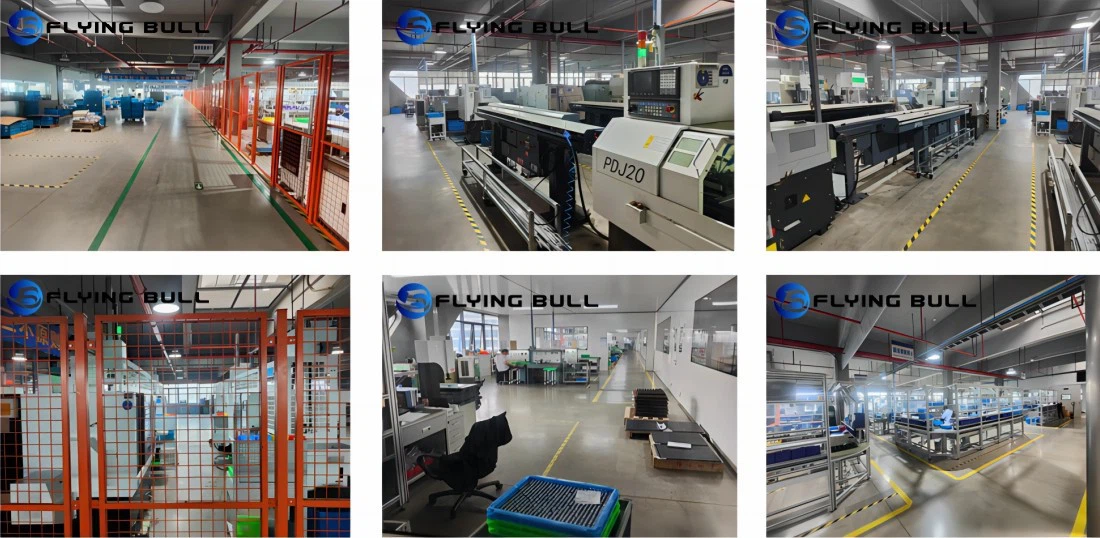
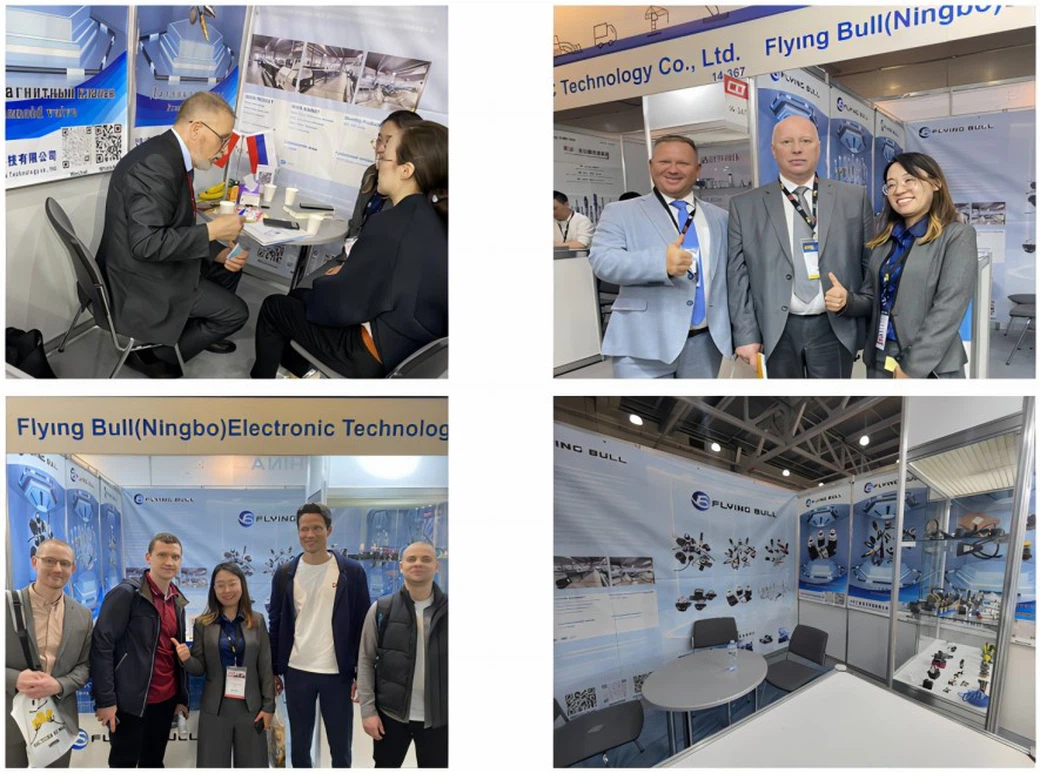
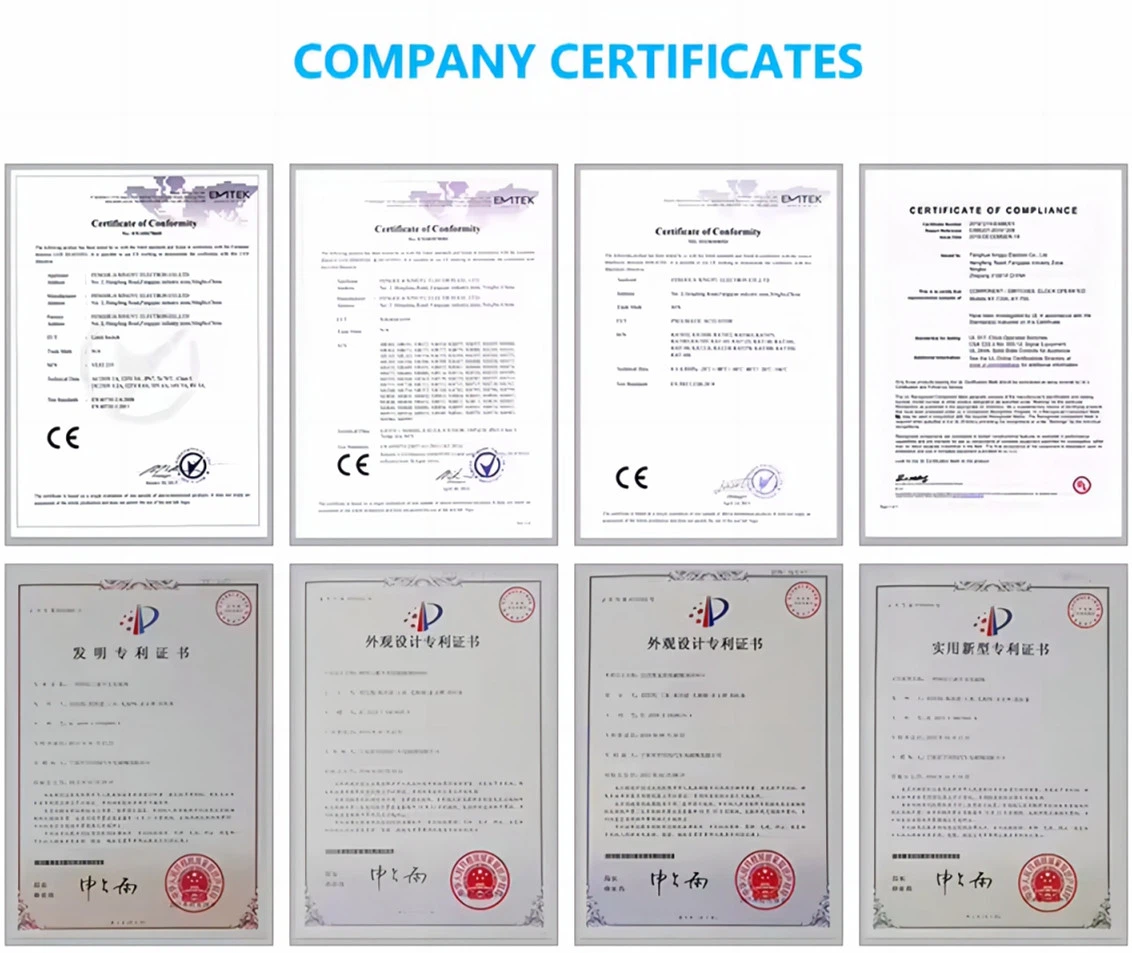
Company Introduction



Frequently Asked Questions (FAQ)
1. What are the dimensions and specifications of this truck solenoid valve coil?
The coil has an inner diameter of 16mm and a height of 53mm (φ16mm × 53mm). It is available in DC12V (17W) or DC24V (27W) . Always verify voltage and power match your original coil.
2. What OE numbers does this coil replace?
This coil replaces multiple numbers: 280239, 14616523, 14616529, 280253, 280254, 280154, 280151, and 280153. It is commonly used on EC210B, EC360B, and EC210 excavators and heavy trucks.
3. What happens if the supply voltage is too high (above rated voltage)?
Higher voltage increases magnetic flux and electrical current. Core losses increase, causing overheating. The coil will eventually burn out. Ensure supply voltage stays within ±10% of rated voltage.
4. What happens if the supply voltage is too low (below rated voltage)?
Lower voltage reduces electromagnetic force. The moving core may not pull in fully, leaving an air gap. Magnetic resistance in the air gap is many times higher than normal, causing a surge in current (inrush). This can burn the coil quickly.
5. Why does high operation frequency damage solenoid coils?
Coils generate heat every time they are energized. If the valve cycles on and off too frequently, the coil does not have time to cool down between cycles. Heat builds up, degrades insulation, and eventually burns the coil. Match the coil's duty cycle rating to the application.
6. How do mechanical failures cause coil burnout?
If the moving core cannot pull in (due to debris, deformation, corrosion, or foreign objects), the air gap remains. That causes the same inrush current surge as a low‑voltage condition. Even a short time in this state can overheat and destroy the coil.
7. What environmental factors lead to coil failure?
Common environmental causes: moisture ingress (corrosion and shorts), high ambient temperature (reduced cooling), chemical exposure (insulation damage), and constant vibration (loose connections or cracked windings). Heavy equipment environments are especially harsh.
8. How do I test if a truck solenoid valve coil is burned out?
Use a multimeter. Measure resistance across the coil terminals. Zero ohms = short circuit. Infinite ohms = open circuit (broken wire). Also, energize the coil with correct voltage and test for magnetic attraction with a small screwdriver. No pull = bad coil.
9. Does the truck solenoid valve coil come with a warranty?
Yes. Flying Bull provides a 1‑year warranty against manufacturing defects. Damage caused by overvoltage, undervoltage, high cycling rate, mechanical blockage, moisture ingress, or overheating environment is not covered. Always correct the root cause before replacing the coil.
10. Is this coil a direct replacement for the original equipment part?
Yes. The 280239 coil is manufactured as a direct replacement for original coils used in EC210B, EC360B, EC210 excavators and compatible trucks. Always verify your original coil's dimensions (φ16mm × 53mm), voltage (12V or 24V), and power rating (17W/27W) before ordering.
Hot Tags: truck solenoid valve coil, China truck solenoid valve coil manufacturers, suppliers, factory, auto and electrical equipment solenoid coil, auto parts solenoid valve coil, car solenoid valve coil, special equipment vehicle solenoid valve coil, w10328463 solenoid coil
You Might Also Like


Send Inquiry
