


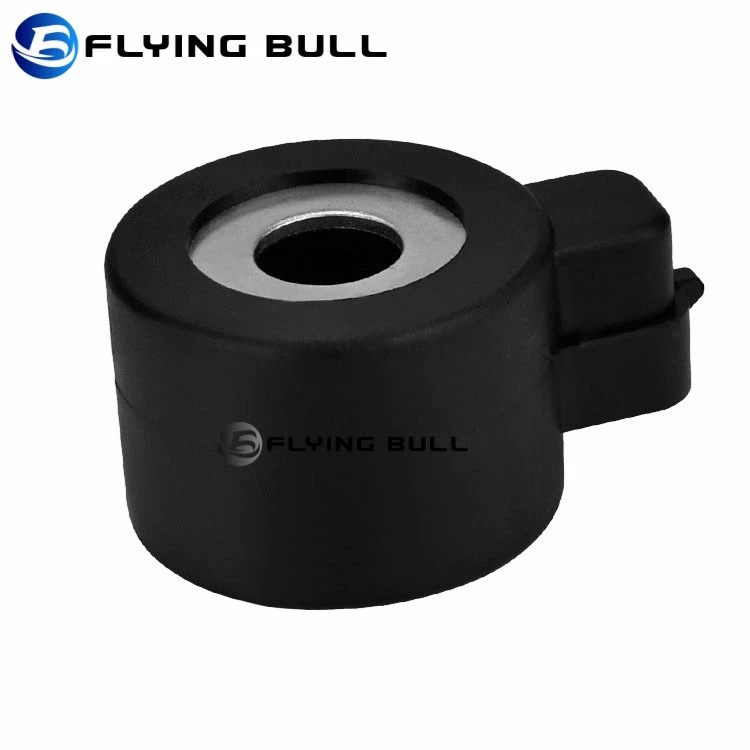


Car Solenoid Valve Coil
Fix Idle Fluctuation and Weak Acceleration with the Car Solenoid Valve Coil Modern cars use several solenoid valves to control fuel vapor, idle air, transmission shifting, and more. When a car solenoid valve coil fails, you will notice symptoms right away – the engine idle speed may go up and down, acceleration becomes weak, or fuel economy drops. The car solenoid valve coil from Flying Bull is a direct replacement coil with dimensions of φ15mm (inner diameter) by 32mm (height). It is designed for oil media and operates under ordinary pressure. The coil is 100% brand new, manufactured in Zhejiang, China, and backed by a 1‑year warranty. Delivery takes 5–7 working days. Common symptoms of a failed car solenoid valve coil: A broken solenoid coil can cause multiple driveability problems. Here is what to watch for: Engine idle speed fluctuates – The idle may hunt up and down (high, then low, then high) instead of staying steady. Weak acceleration – The car feels sluggish when you press the gas pedal. It does not respond as quickly as it should. Hard starting – The engine cranks but does not start easily, or takes several attempts. Stalling – The engine may die when coming to a stop or when shifting into gear. “Ton car” (bucking/jerking) when shifting – The car bucks or jerks when you put it in gear (automatic transmission) or when engaging the clutch. Air conditioning cuts out – The A/C compressor may not engage, or the system may shut off unexpectedly. Gasoline smell inside or outside the car – A failed evaporative emissions (EVAP) solenoid coil can cause raw fuel vapor to escape. Increased fuel consumption – Because the engine is not running efficiently, you will use more gas than normal. Engine coil short circuit – A shorted coil can draw excessive current, heat up, and potentially damage the engine control unit (ECU). High body temperature (engine overheating) – In some cases, a failed solenoid can affect coolant flow or fan control. Noise when powered on – A failing coil may produce a buzzing or clicking sound when energized. Driving with abnormal noise – Unusual sounds from under the hood related to solenoid operation. What happens when an EVAP solenoid coil fails (gasoline smell explanation): One common car solenoid valve is the evaporative emissions (EVAP) purge solenoid. It controls the flow of fuel vapor from the carbon canister to the engine intake. When the solenoid coil fails (cannot open), the engine cannot draw gasoline vapor from the carbon canister. The vapor builds up. The activated carbon in the canister becomes saturated and cannot absorb more vapor. Excess vapor escapes into the atmosphere – and you smell gasoline inside or outside the car. What to do when a car solenoid valve coil fails: Under normal circumstances, if a car solenoid coil is broken, it is not advisable to continue driving for long distances. The engine may run poorly, stall, or suffer damage. Here is the correct repair procedure: Read the fault code – Connect a diagnostic scanner (fault diagnosis instrument) to the vehicle’s OBD‑II port. Enter the engine or transmission control unit. Query for stored fault codes. A failed solenoid coil will often store a specific code (e.g., circuit malfunction, open circuit, or short circuit). Diagnose the circuit – Check the coil’s resistance with a multimeter (compare to specification). Check for voltage at the connector when the solenoid should be active. Inspect wiring for chafing or breaks. Replace the coil – If the coil fails resistance or magnetic tests, replace it with a new coil. Do not attempt to repair a shorted or open coil. Clear codes and test drive – After replacement, clear fault codes and test drive the vehicle. Verify that idle is stable, acceleration is responsive, and the gasoline smell is gone. Flying Bull’s car solenoid valve coil (φ15mm × 32mm) fits many common automotive solenoids – idle air control valves, EVAP purge valves, transmission shift solenoids, and more. Choose Flying Bull for reliable replacement coils.
Product Introduction
Products Description
Argument: φ:15mm H:32mm |
Media: Oil |
|
Warranty: 1 YEAR |
Condition: New, 100% Brand-new |
|
Place of Origin: Zhejiang, China |
Actuator: Electric |
|
Brand Name: FLYING BULL |
Quality: High-Quality |
|
Delivery: 5-7 Working Days |
Apply: Car solenoid valve coil |
If the car solenoid valve coil is broken, the engine idle speed will be high and low and the acceleration will be weak. The engine is not easy to start, the engine coil is short circuit, the body temperature is too high, the car generates noise when it is powered on, the vehicle is driving with abnormal noise, the feeling of stopping when stepping on the accelerator pedal is strong, the gasoline smell in the car is large, and the fuel consumption will increase under normal driving.
If the car solenoid valve coil is broken, the conditions that will occur are: the engine idle speed is unstable, and the acceleration is weak; Hanging gear will ton car; Engine easy to stall or not easy to start; Air conditioning will be turned off and other failure conditions.
Under normal circumstances, if the solenoid coil of the car is broken, it is impossible to continue driving. The following is the solution: first read the fault code, connect the fault diagnosis instrument, enter the automatic transmission control unit to query the fault code, and store a fault code.
The fault that car solenoid valve coil can not be opened shows that the car has the smell of gasoline, because the engine can not absorb gasoline steam from the carbon tank in time after the solenoid coil is damaged, and the gasoline steam in the carbon tank is more and more, and the activated carbon is saturated and can not be absorbed again. At this time, the gasoline vapor entering the carbon tank can not be adsorbed, and is directly discharged into the air, and the smell of gasoline is smelled.
Solenoid coil damage is manifested as high and low engine idle speed and weak acceleration.


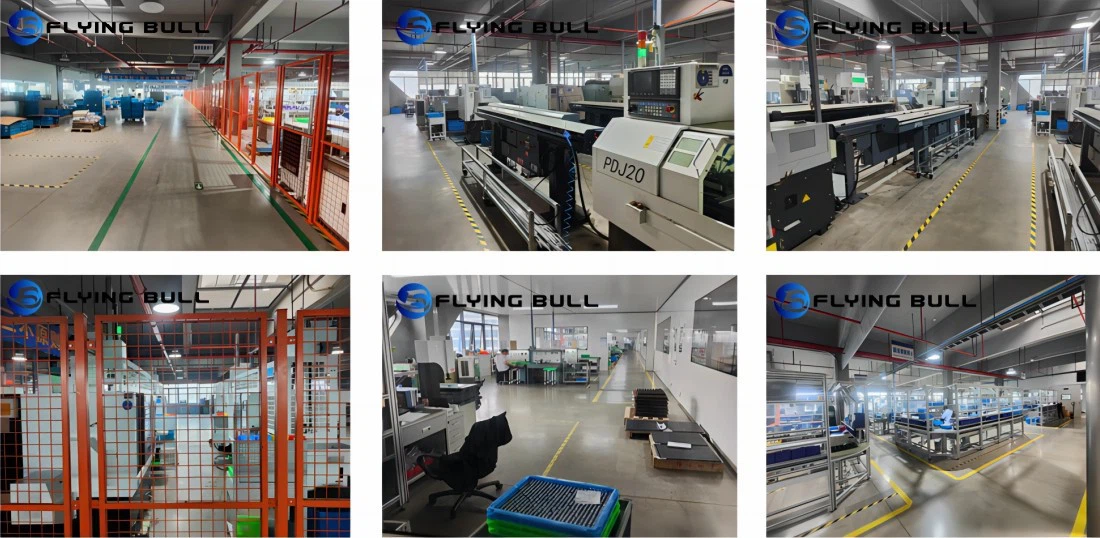
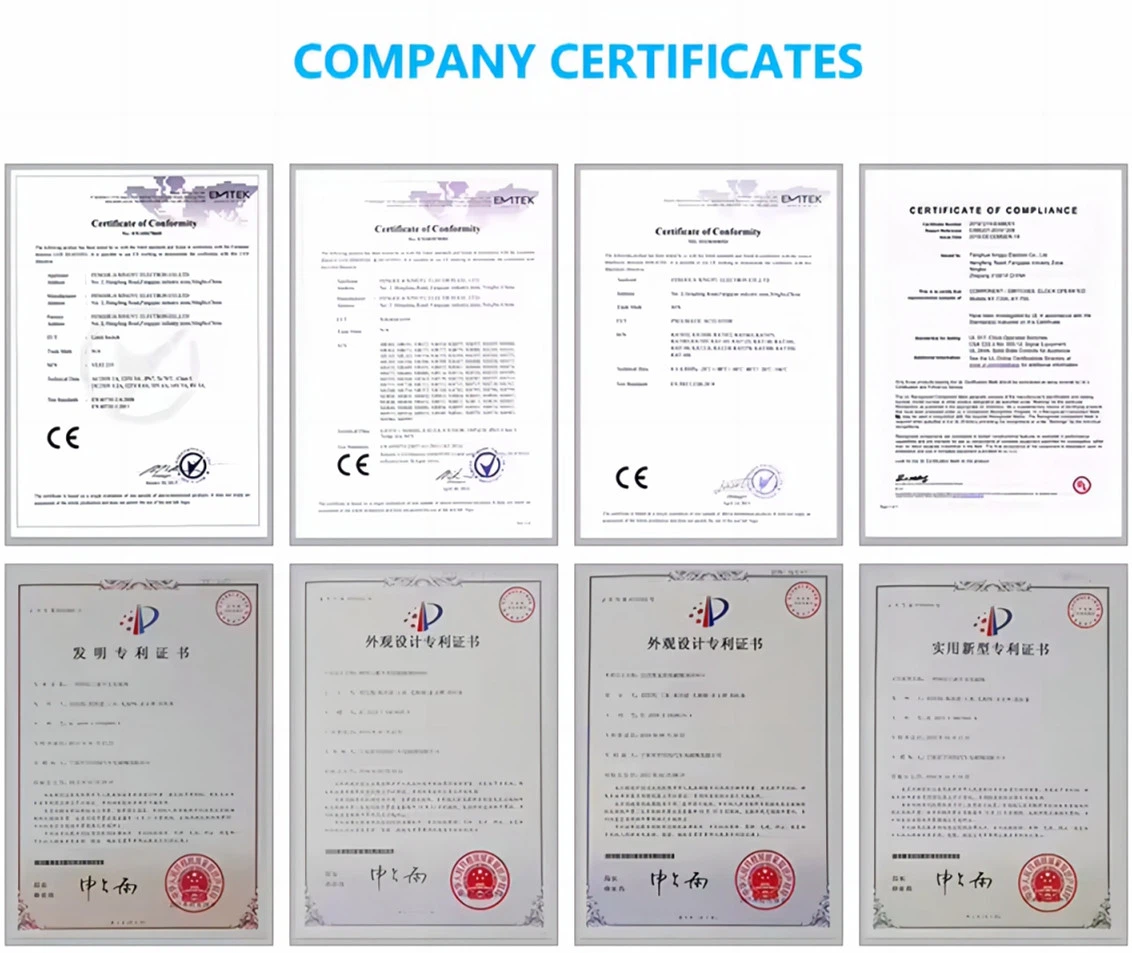
Company Introduction




Frequently Asked Questions (FAQ)
1. What are the dimensions of this car solenoid valve coil?
The coil has an inner diameter of 15mm and a height of 32mm (φ15mm × 32mm). This size fits many common automotive solenoid valves.
2. What symptoms indicate a failed car solenoid valve coil?
Common symptoms include: fluctuating idle speed (up and down), weak acceleration, hard starting or stalling, bucking/jerking when shifting, A/C cutting out, gasoline smell, increased fuel consumption, engine overheating, and abnormal noises when powered on.
3. Why do I smell gasoline when the EVAP solenoid coil fails?
The EVAP purge solenoid controls fuel vapor flow from the carbon canister to the engine. If the solenoid coil fails and cannot open, the engine cannot draw vapor from the canister. The activated carbon becomes saturated, and excess vapor escapes into the air – producing a gasoline smell.
4. Can I continue driving if the car solenoid valve coil is broken?
It is not advisable to continue driving for long distances. The engine may run poorly, stall, or suffer damage. A failed solenoid can also cause excessive fuel consumption and emission system problems. Diagnose and replace the coil as soon as possible.
5. How do I test a car solenoid valve coil?
Two tests:
(1) Resistance – Use a multimeter. Compare the reading to the manufacturer's specification (typically 5–50 ohms). Zero ohms = short circuit. Infinite ohms = open circuit (broken).
(2) Magnetic – Energize the coil. Hold a small screwdriver near the center. If you feel magnetic pull, the coil is good. No pull = coil is bad.
6. What diagnostic steps should I follow before replacing the coil?
Connect a fault diagnosis instrument (scan tool). Query the engine or transmission control unit for stored codes. A failed coil will often store a circuit-related code. Also, check for voltage at the connector when the solenoid should be active. Verify the wiring is not chafed or broken.
7. Why does the engine idle fluctuate when the solenoid coil fails?
The engine control unit (ECU) depends on solenoid valves to regulate idle air, fuel vapor, and transmission functions. When a solenoid coil fails, the ECU cannot control those systems correctly. The engine may hunt for the correct idle speed, surging up and down.
8. Does the car solenoid valve coil come with a warranty?
Yes. Flying Bull provides a 1‑year warranty against manufacturing defects. Damage caused by overvoltage, short circuits, water ingress, physical damage, or incorrect installation is not covered.
9. Is this coil a direct replacement for the original car solenoid coil?
If your original coil has an inner diameter of 15mm and height of 32mm, this coil is a direct replacement. Always verify the connector type (this product page does not specify – confirm with your supplier) and voltage (e.g., 12VDC for most cars). Also check the original OE number.
10. What maintenance does the car solenoid valve coil require?
The coil itself is maintenance‑free. However, periodically check electrical connections for corrosion. Ensure the coil is securely mounted (a loose coil can overheat). If the valve body leaks fluid onto the coil, replace both the valve seals and the coil – moisture and oil ingress will damage the windings.
Hot Tags: car solenoid valve coil, China car solenoid valve coil manufacturers, suppliers, factory, car solenoid valve coil, auto parts solenoid valve coil, special equipment vehicle solenoid valve coil, w10328463 solenoid coil, auto and electrical equipment solenoid coil
You Might Also Like


Send Inquiry
