

What is the purpose of a pneumatic relief valve?
In the intricate world of pneumatic systems, every component plays a vital role in ensuring optimal performance, safety, and efficiency. Among these components, the pneumatic relief valve stands out as a critical safeguard. As a trusted pneumatic parts supplier, I've witnessed firsthand the importance of these valves in various industrial applications. In this blog post, I'll delve into the purpose of a pneumatic relief valve, its working principles, and its significance in different scenarios.
Understanding the Basics of Pneumatic Systems
Before we dive into the purpose of a pneumatic relief valve, it's essential to have a basic understanding of pneumatic systems. Pneumatic systems use compressed air to transmit and control energy. They are widely used in industries such as manufacturing, automotive, food and beverage, and pharmaceuticals due to their simplicity, reliability, and cost - effectiveness.
In a pneumatic system, air is compressed using a compressor and then stored in a receiver tank. The compressed air is then distributed through a network of pipes and hoses to various pneumatic components such as cylinders, valves, and actuators. These components convert the energy of the compressed air into mechanical motion, which can be used to perform a wide range of tasks.
The Purpose of a Pneumatic Relief Valve
The primary purpose of a pneumatic relief valve is to protect the pneumatic system from over - pressurization. Over - pressurization can occur due to various reasons, such as a malfunctioning compressor, a blocked air line, or an incorrect setting of the pressure regulator. When the pressure in the pneumatic system exceeds the safe operating limit, it can cause serious damage to the system components, including pipes, valves, and cylinders. In extreme cases, over - pressurization can even lead to explosions, posing a significant safety risk to personnel and property.
A pneumatic relief valve is designed to open automatically when the pressure in the system reaches a pre - set level, known as the cracking pressure. When the valve opens, it releases the excess pressure to the atmosphere, preventing the pressure from rising further. Once the pressure in the system drops below the cracking pressure, the valve closes again, allowing the system to resume normal operation.
Working Principles of a Pneumatic Relief Valve
There are several types of pneumatic relief valves, but the most common ones are spring - loaded relief valves. A spring - loaded relief valve consists of a valve body, a valve seat, a disc, and a spring. The spring is pre - compressed to a specific force, which determines the cracking pressure of the valve.

When the pressure in the system is below the cracking pressure, the force exerted by the spring keeps the disc in contact with the valve seat, preventing the flow of air through the valve. As the pressure in the system rises and reaches the cracking pressure, the force exerted by the compressed air on the disc overcomes the force of the spring, causing the disc to lift off the valve seat. This allows the excess pressure to escape through the valve and into the atmosphere.
As the pressure in the system drops, the force of the spring gradually overcomes the force of the compressed air on the disc, causing the disc to return to its closed position on the valve seat. This stops the flow of air through the valve and seals the system again.
Significance in Different Industrial Applications
Manufacturing
In manufacturing plants, pneumatic systems are used extensively for automation and control. Pneumatic relief valves are crucial in these applications to protect the equipment from over - pressurization. For example, in a robotic assembly line, pneumatic cylinders are used to move and position parts. If the pressure in the pneumatic system supplying these cylinders exceeds the safe limit, it can cause the cylinders to malfunction, leading to production delays and quality issues. A pneumatic relief valve ensures that the pressure in the system remains within the safe operating range, preventing such problems.
Automotive
The automotive industry also relies heavily on pneumatic systems for various functions, such as braking, suspension, and engine control. Pneumatic relief valves are used in these systems to protect the components from damage due to over - pressurization. For instance, in a pneumatic brake system, if the pressure in the brake lines exceeds the safe limit, it can cause the brake lines to burst, leading to a loss of braking power. A pneumatic relief valve in the brake system ensures that the pressure remains under control, enhancing the safety of the vehicle.
Food and Beverage
In the food and beverage industry, pneumatic systems are used for tasks such as filling, packaging, and conveying. These systems need to operate in a clean and hygienic environment. Pneumatic relief valves play an important role in maintaining the integrity of these systems. If the pressure in the pneumatic system supplying the filling machines exceeds the safe limit, it can cause spills and contamination. A pneumatic relief valve helps to prevent such issues by maintaining the proper pressure in the system.
Related Pneumatic Parts
As a pneumatic parts supplier, we offer a wide range of pneumatic components to meet the diverse needs of our customers. In addition to pneumatic relief valves, we also supply Pneumatic Solenoid Valve Coil, Pneumatic Finger Cylinder, and Pneumatic Connector.
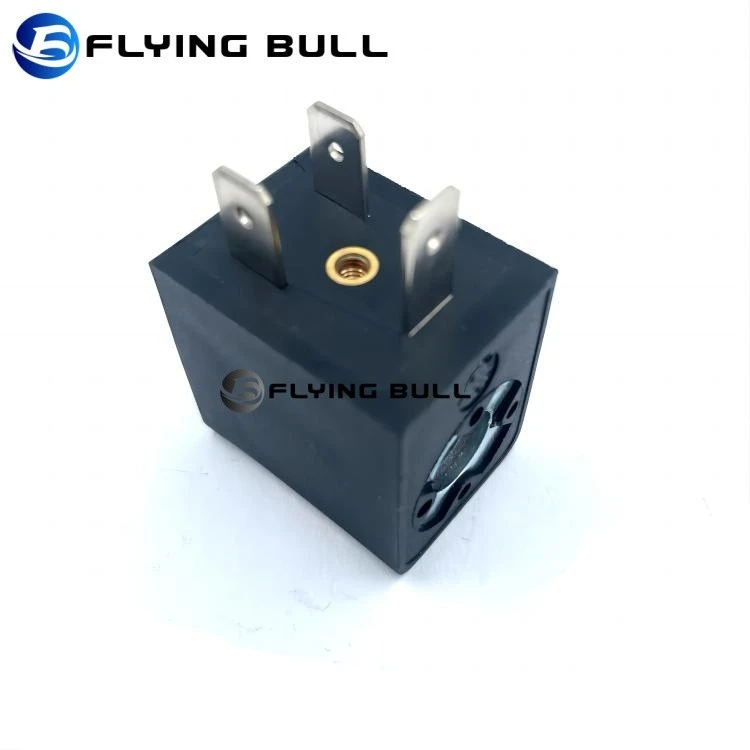
Pneumatic solenoid valve coils are used to control the flow of compressed air in pneumatic systems. They are electromechanical devices that convert electrical energy into mechanical motion, allowing the valves to open and close. Pneumatic finger cylinders are used for gripping and holding objects in automation applications. They are designed to provide a high - force grip with a compact design. Pneumatic connectors are used to connect different components in a pneumatic system, ensuring a leak - free and reliable connection.
Conclusion and Call to Action
In conclusion, pneumatic relief valves are essential components in pneumatic systems. They protect the system from over - pressurization, ensuring the safety and reliability of the equipment. Whether you are in the manufacturing, automotive, or food and beverage industry, having a reliable pneumatic relief valve in your system is crucial.
As a pneumatic parts supplier, we are committed to providing high - quality pneumatic components to our customers. If you are in the market for pneumatic relief valves or other pneumatic parts, I encourage you to contact us for a detailed discussion. We can help you select the right components for your specific application and provide you with the best solutions at competitive prices.
References
- ASME Boiler and Pressure Vessel Code, Section VIII, Division 1.
- ISO 4126 - Safety devices for protection against excessive pressure.
- Pneumatic Systems Handbook by David W. Eaton.