

What are the quality control measures for pneumatic parts?
Quality control is paramount in the manufacturing and supply of pneumatic parts. As a trusted supplier of pneumatic components, I understand the critical role that stringent quality control measures play in ensuring the reliability, performance, and safety of our products. In this blog post, I will delve into the key quality control measures that we implement at every stage of the production process to deliver high-quality pneumatic parts that meet or exceed industry standards.
Raw Material Inspection
The quality of pneumatic parts starts with the selection and inspection of raw materials. We source our materials from reputable suppliers who adhere to strict quality control standards. Before any raw material is used in production, it undergoes a thorough inspection to ensure it meets our specifications. This includes checking for material composition, hardness, and dimensional accuracy. For example, when sourcing metals for pneumatic cylinders, we verify the alloy composition to ensure it provides the necessary strength and corrosion resistance. The inspection process also involves checking for any surface defects or impurities that could affect the performance of the final product.
In - Process Quality Checks
During the manufacturing process, we conduct multiple in - process quality checks to identify and correct any issues early on. These checks are integrated into each step of production, from machining to assembly.
Machining
In the machining process, we use advanced CNC machines to ensure precise and consistent machining of pneumatic parts. Our operators regularly inspect the machined components using high - precision measuring tools such as calipers, micrometers, and coordinate measuring machines (CMMs). These tools allow us to measure critical dimensions within tight tolerances. For instance, when machining the bore of a Pneumatic Finger Cylinder, we ensure that the diameter and surface finish meet the specified requirements. Any deviations from the tolerance are immediately addressed by adjusting the machining parameters or re - machining the part if necessary.
Assembly
During assembly, each component is carefully inspected before it is integrated into the final product. We follow a strict assembly procedure to ensure that all parts are correctly installed and torqued to the recommended values. For example, when assembling a pneumatic valve, we inspect the seals, gaskets, and internal components for any damage or misalignment. Additionally, we use torque wrenches to ensure that the bolts are tightened to the correct torque, preventing leaks and ensuring proper operation.
Functional Testing
Once the pneumatic parts are assembled, they undergo comprehensive functional testing. This testing is designed to simulate real - world operating conditions and ensure that the parts perform as intended.
Pressure Testing
Pressure testing is a crucial step in the quality control process. We subject our pneumatic cylinders, valves, and connectors to pressure tests to check for leaks and ensure that they can withstand the specified operating pressures. For Pneumatic Connectors, we use a pressure - testing rig to apply a specific pressure and monitor for any signs of leakage. If a leak is detected, the part is sent back for rework or is discarded if it cannot be repaired.
Flow Testing
Flow testing is another important aspect of functional testing. We measure the flow rate of air or other gases through our pneumatic components to ensure that they meet the specified flow requirements. This is particularly important for valves and regulators, as the correct flow rate is essential for proper system operation.
Actuation Testing
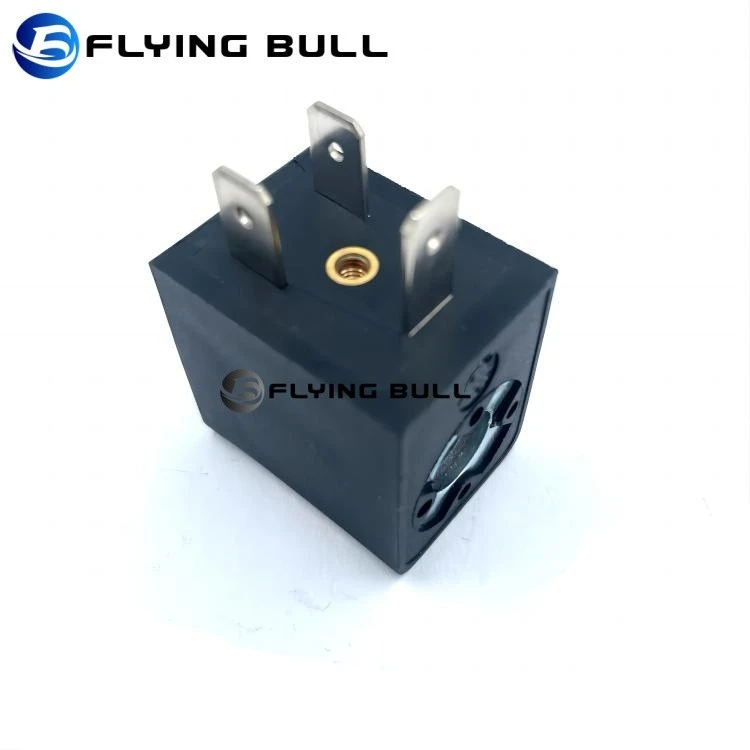
For components such as pneumatic cylinders and solenoid valves, we perform actuation testing. This involves cycling the components multiple times to ensure that they operate smoothly and reliably. For a solenoid valve, we test its ability to open and close under different electrical signals and pressures. If any issues are detected during actuation testing, we use Solenoid Valve Repair Tools to diagnose and fix the problem.

Final Inspection
After functional testing, all pneumatic parts undergo a final inspection before they are packaged and shipped. During this inspection, we perform a visual check to ensure that the parts are free from any cosmetic defects, such as scratches or burrs. We also review the test data to confirm that the parts have met all the quality criteria. Only parts that pass the final inspection are approved for shipment.
Documentation and Traceability
Throughout the quality control process, we maintain detailed documentation of every step. This includes records of raw material inspections, in - process quality checks, test results, and final inspection reports. Each part is assigned a unique identification number, allowing us to track its entire production history. This traceability is essential for quality assurance, as it enables us to identify and address any quality issues that may arise after the parts have been delivered to our customers.
Continuous Improvement
We are committed to continuous improvement of our quality control measures. We regularly review our processes and procedures to identify areas for enhancement. This involves analyzing customer feedback, production data, and industry best practices. For example, if we receive a customer complaint about a particular component, we conduct a root - cause analysis to determine the source of the problem and implement corrective actions to prevent similar issues from occurring in the future.
Why Choose Our Pneumatic Parts?
By implementing these comprehensive quality control measures, we ensure that our pneumatic parts are of the highest quality. Our products are known for their reliability, durability, and performance, making them a preferred choice for a wide range of industries, including automotive, manufacturing, and robotics.
If you are in the market for high - quality pneumatic parts, I encourage you to contact us. Our team of experts is ready to assist you in selecting the right components for your specific application. We offer competitive pricing, fast delivery, and excellent customer service. Whether you need a single Pneumatic Finger Cylinder or a large order of Pneumatic Connectors, we have the solution for you. Let's start a conversation and explore how our pneumatic parts can meet your needs.
References
- ASME B18.2.1 - American Society of Mechanical Engineers, Standard for Square and Hex Bolts and Screws.
- ISO 6432 - International Organization for Standardization, Standard for Pneumatic Cylinders - Single - Acting, Short - Stroke Cylinders of Bore Sizes from 8 to 25 mm.
- Parker Hannifin, "Pneumatic Handbook", A comprehensive guide to pneumatic technology and components.