

How to select the appropriate size of pneumatic parts?
Selecting the appropriate size of pneumatic parts is a crucial step in ensuring the efficient and reliable operation of pneumatic systems. As a pneumatic parts supplier, I understand the challenges that customers face when making these decisions. In this blog post, I will share some key considerations and guidelines to help you choose the right size of pneumatic parts for your specific applications.
Understanding the Basics of Pneumatic Systems
Before delving into the selection process, it's important to have a basic understanding of how pneumatic systems work. Pneumatic systems use compressed air to generate and control mechanical motion. They typically consist of a compressor, valves, cylinders, and other components that work together to perform various tasks.
The performance of a pneumatic system depends on several factors, including the pressure and flow rate of the compressed air, the size and type of the components, and the specific requirements of the application. When selecting pneumatic parts, it's essential to consider these factors to ensure that the components are compatible with each other and can meet the demands of the system.
Key Considerations for Selecting Pneumatic Parts Size
1. Load Requirements
One of the most important factors to consider when selecting the size of pneumatic parts is the load requirements of the application. The load refers to the force that the pneumatic component needs to move or support. For example, if you are using a pneumatic cylinder to lift a heavy object, you need to choose a cylinder with a sufficient bore size and stroke length to generate the required force.
To determine the load requirements, you need to consider the weight of the object, the friction forces involved, and any additional forces that may be present during the operation. Once you have determined the load, you can use the manufacturer's specifications to select a pneumatic component that can handle the load.
2. Operating Pressure
The operating pressure of the pneumatic system is another critical factor that affects the size of the pneumatic parts. The operating pressure refers to the pressure of the compressed air that is supplied to the system. Different pneumatic components are designed to operate at specific pressure ranges, and using a component outside of its recommended pressure range can lead to performance issues or even damage.
When selecting pneumatic parts, you need to ensure that the components are rated for the operating pressure of your system. You can find the pressure rating information in the manufacturer's specifications. It's also important to consider any pressure fluctuations that may occur during the operation and choose components that can handle these fluctuations.
3. Flow Rate
The flow rate of the compressed air is also an important consideration when selecting the size of pneumatic parts. The flow rate refers to the volume of air that passes through the pneumatic component per unit of time. The flow rate affects the speed and responsiveness of the pneumatic system.
To ensure that the pneumatic system operates efficiently, you need to choose components that can provide the required flow rate. The flow rate requirements depend on the size and type of the components, as well as the specific requirements of the application. You can use the manufacturer's specifications to determine the flow rate requirements and select components that can meet these requirements.
4. Space Constraints
In some applications, space constraints may limit the size of the pneumatic parts that you can use. For example, if you are designing a compact machine, you may need to choose smaller pneumatic components to fit them into the available space.
When dealing with space constraints, it's important to carefully consider the dimensions of the pneumatic components and ensure that they can be installed in the available space. You may also need to consider alternative component designs or configurations that can help you save space.
5. Compatibility with Other Components
Finally, it's important to ensure that the selected pneumatic parts are compatible with other components in the system. Pneumatic systems are typically composed of multiple components that work together, and any compatibility issues can lead to performance problems or system failures.
When selecting pneumatic parts, you need to consider the connection types, thread sizes, and other specifications of the components to ensure that they can be easily integrated into the system. You can also consult with the manufacturer or a pneumatic system expert to ensure that the components are compatible.
Specific Examples of Pneumatic Parts Selection
Pneumatic Cylinders
Pneumatic cylinders are one of the most commonly used pneumatic components. When selecting a pneumatic cylinder, you need to consider the bore size, stroke length, and mounting style. The bore size determines the force that the cylinder can generate, while the stroke length determines the distance that the cylinder can move.
For example, if you need to lift a heavy object, you may choose a cylinder with a larger bore size. If you need to move the object a long distance, you may choose a cylinder with a longer stroke length. You also need to consider the mounting style of the cylinder to ensure that it can be easily installed in the system.

Pneumatic Finger Cylinder
Pneumatic finger cylinders are used for gripping and holding objects. When selecting a pneumatic finger cylinder, you need to consider the gripping force, the stroke length, and the finger design. The gripping force determines the maximum weight of the object that the cylinder can hold, while the stroke length determines the distance that the fingers can open and close.
You also need to consider the finger design to ensure that it is suitable for the shape and size of the object that you need to grip. For example, if you need to grip a round object, you may choose a finger cylinder with rounded fingers.
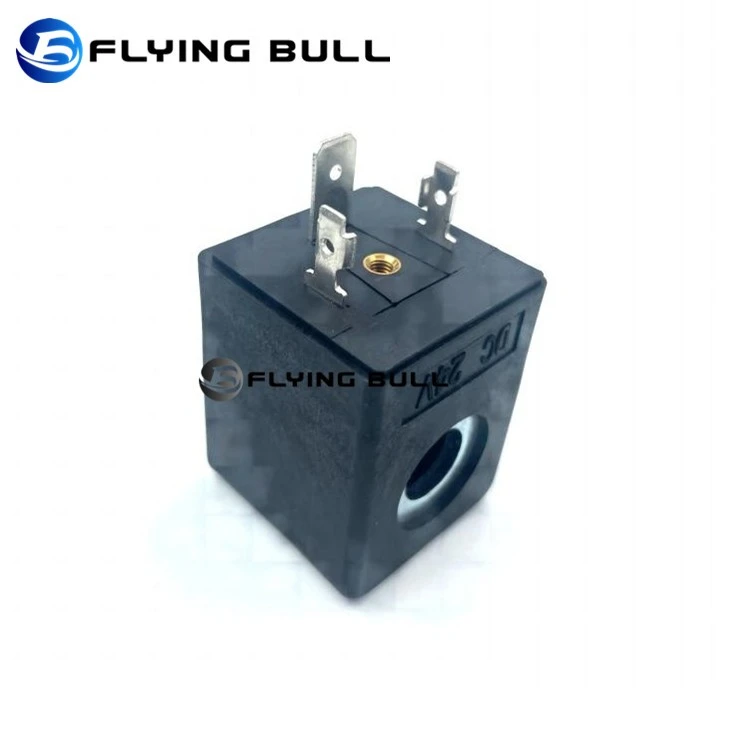
Pneumatic Solenoid Valve Coil
Pneumatic solenoid valve coils are used to control the flow of compressed air in pneumatic systems. When selecting a pneumatic solenoid valve coil, you need to consider the voltage, the power consumption, and the operating temperature range. The voltage determines the electrical power that is required to operate the coil, while the power consumption affects the energy efficiency of the system.
You also need to consider the operating temperature range to ensure that the coil can operate reliably in the environment where it will be used. For example, if the system will be operating in a high-temperature environment, you need to choose a coil that is rated for high temperatures.
Pneumatic Connector
Pneumatic connectors are used to connect different pneumatic components together. When selecting a pneumatic connector, you need to consider the connection type, the thread size, and the material. The connection type determines how the connector is attached to the components, while the thread size ensures that the connector fits properly.
You also need to consider the material of the connector to ensure that it is compatible with the compressed air and the environment where it will be used. For example, if the system will be operating in a corrosive environment, you need to choose a connector made of a corrosion-resistant material.
Conclusion
Selecting the appropriate size of pneumatic parts is a complex process that requires careful consideration of several factors. By understanding the load requirements, operating pressure, flow rate, space constraints, and compatibility with other components, you can choose the right pneumatic parts for your specific applications.
As a pneumatic parts supplier, I am committed to providing high-quality products and expert advice to help you make the right decisions. If you have any questions or need assistance in selecting the appropriate size of pneumatic parts, please feel free to contact me. I look forward to working with you to ensure the success of your pneumatic systems.
References
- Pneumatic Systems Handbook, various authors
- Manufacturer's specifications for pneumatic components