

How to control the speed of a pneumatic actuator?
Controlling the speed of a pneumatic actuator is a crucial aspect in various industrial applications. As a reliable pneumatic parts supplier, I understand the significance of achieving precise speed control for pneumatic actuators. In this blog, I will share some effective methods and considerations to help you manage the speed of pneumatic actuators efficiently.
Understanding Pneumatic Actuators
Before delving into speed control methods, it's essential to have a basic understanding of pneumatic actuators. Pneumatic actuators convert compressed air energy into mechanical motion. They are widely used in industries such as manufacturing, automation, and robotics due to their simplicity, reliability, and cost - effectiveness.
There are different types of pneumatic actuators, including cylinders and rotary actuators. Cylinders can be single - acting or double - acting. Single - acting cylinders use air pressure to move in one direction and a spring to return, while double - acting cylinders use air pressure for both the forward and reverse strokes. Rotary actuators, on the other hand, convert linear motion into rotational motion.
Factors Affecting the Speed of Pneumatic Actuators
Several factors can influence the speed of a pneumatic actuator:
- Air Pressure: Higher air pressure generally results in faster actuator movement. However, increasing the pressure too much can cause excessive wear and tear on the actuator and other components.
- Flow Rate: The rate at which air enters and exits the actuator plays a significant role in determining its speed. A higher flow rate allows for quicker movement.
- Load: The weight or resistance the actuator has to overcome affects its speed. A heavier load will slow down the actuator's movement.
- Friction: Internal friction within the actuator and the associated components can reduce the speed of the actuator.
Methods of Controlling the Speed of Pneumatic Actuators
1. Using Flow Control Valves
Flow control valves are one of the most common and effective ways to control the speed of pneumatic actuators. These valves regulate the flow rate of air entering or leaving the actuator.

- Needle Valves: Needle valves have a tapered needle that can be adjusted to restrict the flow of air. By turning the needle, you can precisely control the amount of air passing through the valve, thus controlling the speed of the actuator. They are suitable for applications where fine - tuning of the speed is required.
- Throttle Valves: Throttle valves work similarly to needle valves but are generally used for larger flow rates. They can quickly adjust the flow of air and are often used in applications where rapid speed changes are needed.
When using flow control valves, it's important to install them correctly. For double - acting cylinders, you may need to use two flow control valves, one for the extending stroke and one for the retracting stroke.
2. Pressure Regulation
As mentioned earlier, air pressure affects the speed of the actuator. By using pressure regulators, you can control the pressure supplied to the actuator.
- Direct - Acting Pressure Regulators: These regulators use a spring - loaded diaphragm to maintain a constant output pressure. They are simple and cost - effective but may not be as accurate as other types.
- Pilot - Operated Pressure Regulators: Pilot - operated regulators are more precise and can handle higher flow rates. They use a pilot valve to control the main valve, allowing for better pressure control.
When adjusting the pressure, it's crucial to consider the load on the actuator. A higher load may require more pressure to achieve the desired speed.
3. Using Pneumatic Solenoid Valve Coils
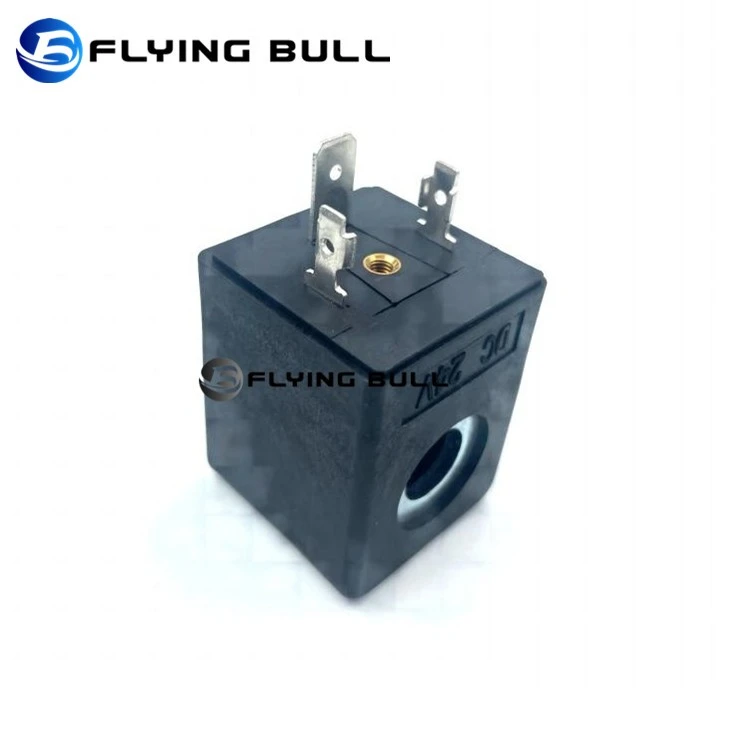
Pneumatic solenoid valve coils play a vital role in controlling the flow of air in a pneumatic system. By energizing or de - energizing the coil, the solenoid valve can open or close, allowing or blocking the flow of air. You can control the speed of the actuator by adjusting the timing of the solenoid valve operation. For example, by using a pulse - width modulation (PWM) technique, you can vary the time the valve is open, which in turn affects the amount of air entering the actuator. To learn more about Pneumatic Solenoid Valve Coil, you can visit our website.
4. Using Pneumatic Connectors
Pneumatic connectors are essential for ensuring proper air flow in the system. Connectors with different sizes and flow capacities can be used to control the speed of the actuator. A smaller - sized connector will restrict the flow of air, resulting in a slower actuator speed, while a larger - sized connector will allow for a higher flow rate and faster movement. You can find a variety of Pneumatic Connectors on our website.
5. Using Pneumatic Finger Cylinders
Pneumatic finger cylinders are designed for gripping and handling applications. They can be used in combination with other components to control the speed of a larger pneumatic system. By adjusting the air pressure and flow rate to the finger cylinders, you can control the speed at which they open and close, which can have an impact on the overall system speed. Check out our Pneumatic Finger Cylinder products for more details.
Considerations for Speed Control
- System Compatibility: Ensure that all the components used for speed control are compatible with the pneumatic actuator and the overall system. Incompatible components can lead to reduced performance and potential damage.
- Safety: When adjusting the speed of the actuator, always consider safety. A too - fast actuator can cause accidents, especially in applications where there are operators or other moving parts nearby.
- Maintenance: Regular maintenance of the pneumatic system, including the actuator, valves, and connectors, is essential for consistent speed control. Check for leaks, wear, and tear, and replace any damaged components promptly.
Conclusion
Controlling the speed of a pneumatic actuator is a complex but achievable task. By understanding the factors that affect the speed and using the appropriate methods such as flow control valves, pressure regulation, and the right components like pneumatic solenoid valve coils, pneumatic connectors, and pneumatic finger cylinders, you can achieve precise speed control for your pneumatic actuators.
As a pneumatic parts supplier, we offer a wide range of high - quality pneumatic components to help you with your speed control needs. If you are interested in purchasing our products or have any questions about pneumatic actuator speed control, feel free to contact us for further discussions and procurement negotiations.
References
- Pneumatic Systems Handbook, 2nd Edition
- Industrial Pneumatics: Technology and Applications by John C. Parr