

How does the replacement of the jlg solenoid valve affect the fluid quality in the system?
As a supplier specializing in JLG solenoid valve replacement, I've delved deep into the intricate relationship between valve replacement and the fluid quality within a system. In this blog post, I'll share insights on how the replacement of JLG solenoid valves can significantly influence the fluid quality in various systems.
First and foremost, it's essential to understand the role of solenoid valves in a hydraulic or pneumatic system. Solenoid valves are electromechanically operated valves that control the flow of fluids. They function by using an electric current to generate a magnetic field, which then moves a plunger or a spool to open or close the valve. In a JLG equipment context, these valves are crucial for precise control of hydraulic functions, such as lifting, tilting, and steering.
When a JLG solenoid valve is replaced, one of the primary concerns is the potential introduction of contaminants into the system. During the replacement process, there's a risk of debris, dust, or other particles entering the fluid lines. Even the smallest particle can have a detrimental effect on the fluid quality. For example, abrasive particles can cause wear on the internal components of the system, such as pumps, cylinders, and valves. This wear can lead to increased friction, reduced efficiency, and ultimately, system failure. To mitigate this risk, it's crucial to follow strict cleaning and installation procedures. Before installing the new valve, the fluid lines should be thoroughly flushed to remove any existing contaminants. Additionally, the new valve should be properly sealed to prevent the ingress of external contaminants.
Another factor that can affect fluid quality after valve replacement is the compatibility of the new valve with the existing fluid. Different solenoid valves are designed to work with specific types of fluids, such as hydraulic oil or pneumatic air. Using an incompatible valve can lead to chemical reactions between the valve materials and the fluid, which can degrade the fluid quality. For instance, some valve materials may be prone to corrosion when exposed to certain types of hydraulic fluids. This corrosion can release metal particles into the fluid, further contaminating it. As a supplier, I always ensure that the JLG solenoid valves I provide are fully compatible with the fluids used in the system. I work closely with my customers to understand their specific requirements and recommend the most suitable valves.
The replacement of a JLG solenoid valve can also impact the fluid's viscosity. Viscosity is a measure of a fluid's resistance to flow. In a hydraulic system, the viscosity of the fluid plays a crucial role in determining the system's performance. If the viscosity is too high, the fluid may not flow smoothly through the system, leading to increased pressure and reduced efficiency. On the other hand, if the viscosity is too low, the fluid may not provide sufficient lubrication, causing excessive wear on the components. When replacing a valve, the new valve's internal design and flow characteristics can affect the fluid's viscosity. For example, a valve with a smaller orifice size may restrict the flow of the fluid, causing an increase in pressure and potentially altering the viscosity. To address this issue, it's important to select a valve that is designed to maintain the proper fluid viscosity. I offer a wide range of JLG solenoid valves with different flow rates and orifice sizes to ensure that my customers can find the right valve for their specific application.
In addition to physical and chemical factors, the replacement of a JLG solenoid valve can also have an impact on the fluid's temperature. The operation of the valve can generate heat, which can increase the temperature of the fluid. Excessive heat can cause the fluid to break down, leading to a decrease in its performance and an increase in the risk of system failure. To prevent overheating, it's important to ensure that the system has adequate cooling mechanisms in place. This may include the use of heat exchangers or cooling fans. As a supplier, I can provide my customers with advice on the appropriate cooling solutions for their systems.
Now, let's take a look at some of the specific types of JLG solenoid valves and how their replacement can affect fluid quality. The Three - position Four - way Reversing Valve is a commonly used valve in JLG equipment. This valve is used to control the direction of fluid flow in a hydraulic system. When replacing this valve, it's important to ensure that the valve is properly calibrated to prevent any sudden changes in fluid flow. A sudden change in flow can cause turbulence in the fluid, which can lead to the formation of air bubbles. Air bubbles in the fluid can cause cavitation, a phenomenon where the bubbles collapse and create high - pressure shock waves that can damage the internal components of the system.

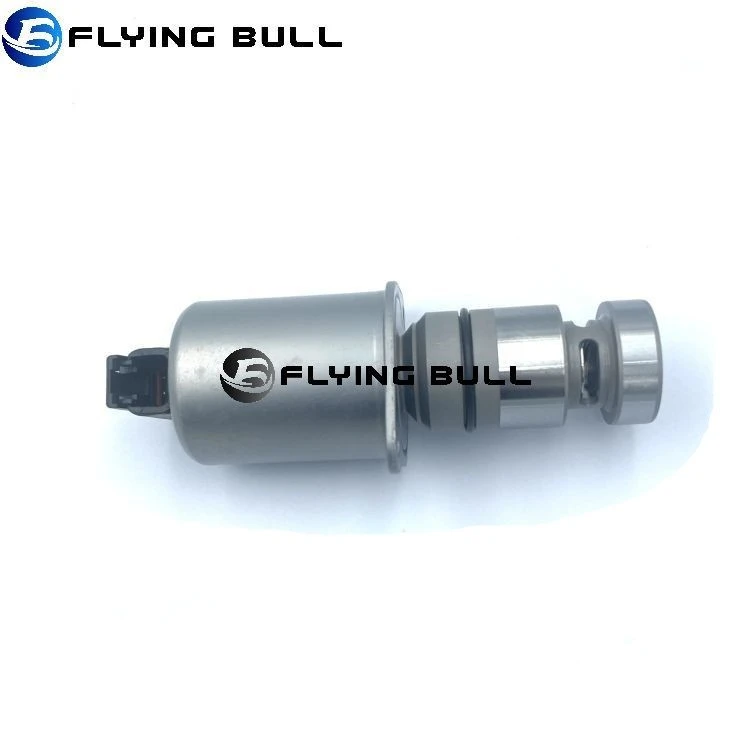
The Wirtgen Solenoid Valve Replaced is another important valve in JLG systems. These valves are often used in complex hydraulic circuits to control multiple functions. When replacing a Wirtgen solenoid valve, it's crucial to ensure that the electrical connections are properly made. A loose or incorrect electrical connection can cause the valve to malfunction, which can lead to irregular fluid flow and potential contamination of the fluid.
The Counterweight Hydraulic Balance Valve is designed to maintain the balance of a counterweight in a JLG equipment. This valve controls the flow of hydraulic fluid to the counterweight cylinder. When replacing this valve, it's important to check the valve's pressure settings. Incorrect pressure settings can cause the counterweight to move too quickly or too slowly, which can affect the stability of the equipment and the fluid quality.
In conclusion, the replacement of a JLG solenoid valve can have a significant impact on the fluid quality in the system. As a supplier, I'm committed to providing high - quality replacement valves and offering comprehensive support to my customers. By following proper installation procedures, ensuring valve compatibility, and monitoring fluid quality, we can minimize the risks associated with valve replacement and ensure the long - term performance of the system.
If you're in need of JLG solenoid valve replacement or have any questions about how it can affect your system's fluid quality, I encourage you to reach out to me for a consultation. We can discuss your specific requirements and find the best solutions for your equipment.
References
- "Hydraulic Systems Handbook" by E. O. Doebelin
- "Pneumatic Systems Design and Troubleshooting" by A. R. Grede