

Can pneumatic parts be used in aerospace applications?
Hey there! As a supplier of pneumatic parts, I often get asked if our products can be used in aerospace applications. It's a super interesting question, and today, I'm gonna dive deep into it to give you the lowdown.
First off, let's talk a bit about what pneumatic parts are. Pneumatic parts use compressed air to create mechanical motion. They're used in all sorts of industries, from manufacturing to automotive. But can they cut it in the high - stakes world of aerospace?
Advantages of Pneumatic Parts in Aerospace
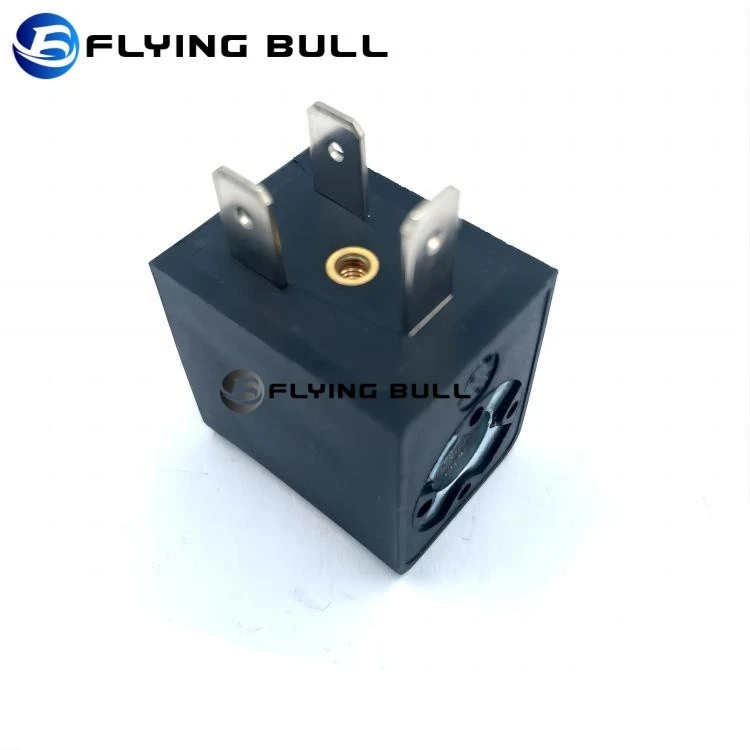
One of the biggest advantages of pneumatic parts in aerospace is their simplicity. They're relatively easy to understand and maintain compared to some other systems. For example, a Pneumatic Solenoid Valve Coil is a straightforward device that controls the flow of compressed air. It has fewer moving parts than some electrical or hydraulic alternatives, which means there's less that can go wrong.
Another plus is their weight. In aerospace, every ounce counts. Pneumatic systems are generally lighter than hydraulic systems. This weight savings can translate into better fuel efficiency, which is a huge deal for airlines and space agencies alike.
Pneumatic parts also offer a high power - to - weight ratio. They can generate a significant amount of force relative to their size and weight. A Pneumatic Finger Cylinder, for instance, can grip and manipulate objects with precision, which is useful for tasks like handling small components during assembly or maintenance in space.
Challenges of Using Pneumatic Parts in Aerospace
Of course, it's not all sunshine and rainbows. There are some challenges when it comes to using pneumatic parts in aerospace applications.
One major issue is the environment. Aerospace environments are extreme. In space, there's a lack of atmosphere, which means there's no air to compress for the pneumatic system. On airplanes, you have to deal with high altitudes where the air is thin, and temperatures can vary wildly. Pneumatic parts need to be designed to withstand these harsh conditions.

Contamination is another concern. Even a small amount of dust or debris can cause a pneumatic system to malfunction. In aerospace, where safety is paramount, any system failure can have catastrophic consequences. So, strict filtration and maintenance procedures are required to keep the pneumatic parts clean and functioning properly.
Examples of Aerospace Applications
Despite the challenges, there are several aerospace applications where pneumatic parts are already being used.
On airplanes, pneumatic systems are used for things like landing gear operation. The Pneumatic Connector plays a crucial role in ensuring a reliable connection between different components of the pneumatic system. It allows for the smooth transfer of compressed air, which is essential for the proper functioning of the landing gear.
In space, pneumatic parts can be used in robotic arms. These arms need to be lightweight and precise, and pneumatic systems can meet those requirements. A pneumatic robotic arm can be used for tasks such as satellite repair or the deployment of scientific instruments.
Our Role as a Pneumatic Parts Supplier
As a supplier of pneumatic parts, we understand the unique requirements of aerospace applications. We've invested a lot of time and resources in research and development to create pneumatic parts that can withstand the extreme conditions of aerospace.
We work closely with our customers in the aerospace industry to understand their specific needs. Whether it's designing a custom Pneumatic Solenoid Valve Coil for a new aircraft or providing a reliable Pneumatic Finger Cylinder for a space mission, we're up for the challenge.
We also offer comprehensive testing and certification services. Our parts are tested to meet the strictest aerospace standards. This gives our customers peace of mind knowing that they're getting high - quality, reliable pneumatic parts.
The Future of Pneumatic Parts in Aerospace
The future looks bright for pneumatic parts in aerospace. As technology advances, we're seeing improvements in materials and design that are making pneumatic systems even more suitable for aerospace applications.
New materials are being developed that can withstand the extreme temperatures and pressures of space and high - altitude flight. These materials are also more resistant to corrosion and wear, which extends the lifespan of the pneumatic parts.
Advances in miniaturization are also opening up new possibilities. Smaller, more powerful pneumatic components can be used in increasingly compact aerospace systems, such as drones and small satellites.
Let's Talk
If you're in the aerospace industry and you're looking for high - quality pneumatic parts, we'd love to hear from you. Whether you have a specific project in mind or you just want to learn more about how our products can fit into your operations, don't hesitate to reach out. We're here to help you find the right pneumatic solutions for your aerospace needs.
References
- "Aerospace Systems Design and Engineering" by David J. Raymer
- "Pneumatic Systems: Principles and Applications" by Festo Didactic