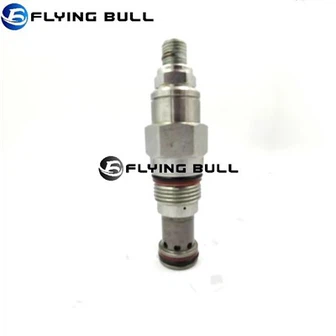
What are the steps for replacing the transmission solenoid valve?
The replacement and debugging of the transmission solenoid valve is a complex but critical operation in automobile maintenance. The following will provide you with a detailed introduction to the replacement steps of the transmission solenoid valve and the debugging method after replacement.
First, you need to raise the vehicle and ensure that it is stably supported. Then, remove the guard plate at the bottom of the vehicle so that you can access the transmission. Next, find the location of the transmission solenoid valve, which is usually located on the valve body of the transmission.
Using appropriate tools, carefully remove the electrical plug and oil pipe connected to the solenoid valve. Before removing the solenoid valve, clean the surrounding area to prevent impurities from entering the interior of the transmission. Using special tools, remove the old solenoid valves one by one.
Before installing the new solenoid valve, you need to check the appearance of the new solenoid valve to ensure that there is no damage and defects. Then, apply an appropriate amount of sealant on the sealing surface of the solenoid valve, and install the new solenoid valve to the valve body in the correct direction and position. After installing the solenoid valve, reconnect the electrical plug and oil pipe, and ensure that the connection is firm and there is no leakage. Finally, install the guard plate at the bottom of the vehicle.
After replacing the transmission solenoid valve, it needs to be debugged to ensure that it works properly. First, start the vehicle and let the engine run for a while so that the gearbox oil temperature reaches the normal operating temperature. Then, use the car diagnostic instrument to connect the vehicle's OBD interface to read the gearbox fault code and related data.
Check whether the working status, oil pressure, and other parameters of the solenoid valve are within the normal range. If the parameters are found to be abnormal, the control unit of the solenoid valve may need to be reprogrammed or adjusted. Conduct a road test to feel whether the gearbox shifts smoothly and accurately at different vehicle speeds and working conditions. If there are problems such as gear-shifting setbacks and delays, further inspection and debugging are required.
It should be noted that the replacement and debugging methods of the gearbox solenoid valves of different models may vary. Before operating, it is recommended to consult the relevant vehicle maintenance manual and have it operated by a professional automotive maintenance technician.