

What is the typical operating speed of a hydraulic solenoid coil?
In the realm of industrial machinery and fluid control systems, hydraulic solenoid coils play a pivotal role. These components are at the heart of many hydraulic systems, enabling precise and efficient control of fluid flow. As a dedicated supplier of hydraulic solenoid coils, I've had the privilege of witnessing firsthand the critical nature of these devices in various applications. In this blog, we'll delve into the typical operating speed of a hydraulic solenoid coil, exploring the factors that influence it and its significance in real - world scenarios.
Understanding Hydraulic Solenoid Coils
Before we discuss the operating speed, it's essential to understand what a hydraulic solenoid coil is. A hydraulic solenoid coil is an electromagnetic device that converts electrical energy into mechanical motion. When an electric current passes through the coil, it generates a magnetic field. This magnetic field then acts on a plunger or armature within the solenoid, causing it to move. This movement is used to control the flow of hydraulic fluid in valves, which in turn regulates the operation of hydraulic cylinders, motors, and other components in a hydraulic system.
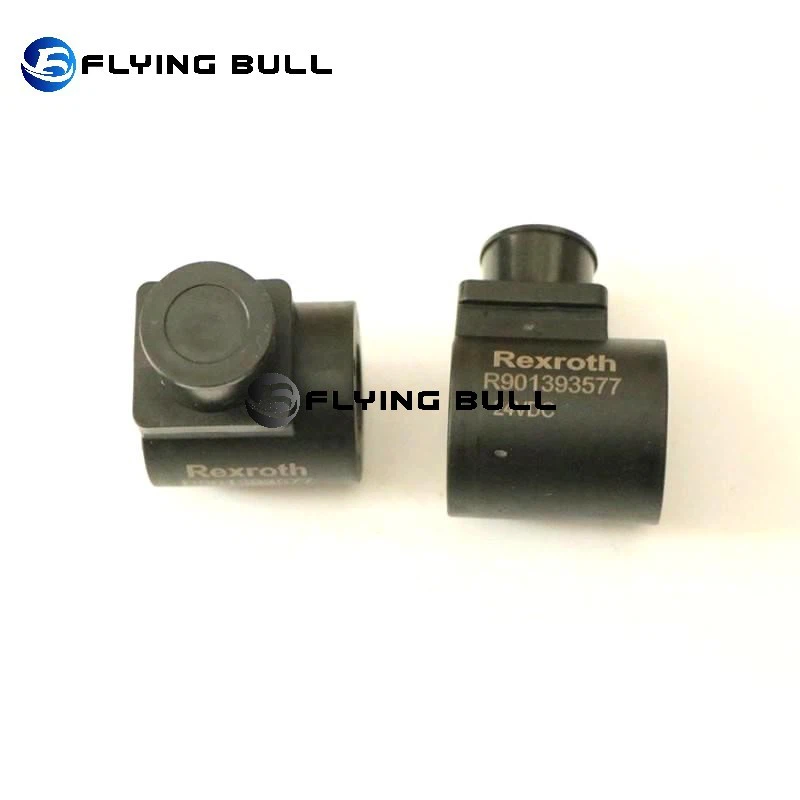
There are different types of hydraulic solenoid coils available in the market, each designed to meet specific requirements. For instance, you can find 12 Volt Solenoid Coil which are commonly used in applications where a lower voltage power source is available. Hydraulic Coil and Hydraulic Solenoid Valve Coil are also widely used in various hydraulic systems, offering different levels of performance and durability.
Factors Affecting the Operating Speed of Hydraulic Solenoid Coils
The operating speed of a hydraulic solenoid coil is not a fixed value; it is influenced by several factors.
Electrical Characteristics
- Voltage and Current: The voltage applied to the solenoid coil and the resulting current flow are crucial factors. A higher voltage generally leads to a stronger magnetic field being generated more quickly, which can increase the speed at which the plunger moves. However, it's important to operate within the coil's rated voltage to avoid overheating and damage.
- Coil Resistance: The resistance of the coil affects the current flow. A lower - resistance coil allows more current to flow for a given voltage, which can result in a faster response time. But again, this needs to be balanced with the power requirements and potential for overheating.
Mechanical Design
- Plunger Mass: The mass of the plunger or armature within the solenoid has a significant impact on the operating speed. A lighter plunger requires less force to move, allowing it to accelerate more quickly in response to the magnetic field. Therefore, solenoids with lighter plungers tend to have faster operating speeds.
- Spring Force: Many hydraulic solenoid valves use springs to return the plunger to its original position when the electrical current is removed. The strength of this spring affects the speed at which the plunger moves both when the solenoid is energized and when it is de - energized. A stronger spring may slow down the movement of the plunger, especially if the magnetic force generated by the coil is not sufficient to overcome it quickly.
Fluid Conditions
- Viscosity: In a hydraulic system, the viscosity of the fluid can affect the operating speed of the solenoid coil. Higher - viscosity fluids offer more resistance to flow, which can slow down the movement of the plunger as it controls the fluid flow. This is particularly important in applications where the temperature can cause significant changes in fluid viscosity.
- Pressure: The hydraulic pressure in the system also plays a role. Higher pressures can make it more difficult for the plunger to move, especially if the solenoid is not designed to handle such pressures. This can result in a slower operating speed or even prevent the solenoid from functioning properly.
Typical Operating Speeds
The typical operating speed of a hydraulic solenoid coil can vary widely depending on the application and the design of the solenoid. In general, for standard industrial applications, the response time (the time it takes for the solenoid to move from its initial position to its fully actuated position) can range from a few milliseconds to several hundred milliseconds.
In high - performance applications, such as in aerospace or high - speed manufacturing equipment, solenoids are designed to have extremely fast operating speeds. These solenoids can have response times as low as 1 - 2 milliseconds. On the other hand, in less critical applications, such as some small - scale hydraulic systems in agricultural machinery, the operating speed may be in the range of 50 - 200 milliseconds.
It's important to note that the operating speed is often specified in terms of both the actuation time (when the solenoid is energized) and the release time (when the solenoid is de - energized). The release time can be affected by factors such as the spring force and the damping effect of the hydraulic fluid.
Significance of Operating Speed in Applications
The operating speed of a hydraulic solenoid coil is of great significance in various applications.
Precision Control
In applications where precise control of fluid flow is required, such as in robotic arms or automated manufacturing processes, a fast - operating solenoid coil is essential. A quick response time allows for more accurate and timely adjustments to the hydraulic system, resulting in better - quality products and more efficient operations.
Safety
In safety - critical applications, such as in emergency stop systems or safety valves in hydraulic machinery, a fast - acting solenoid coil can be a matter of life and death. A solenoid that can quickly shut off the flow of hydraulic fluid in case of an emergency can prevent accidents and protect equipment and personnel.
Productivity
In industrial settings, the operating speed of solenoid coils can directly impact productivity. Faster - operating solenoids allow for more rapid cycling of hydraulic systems, reducing the time required for each operation and increasing the overall output of the machinery.
Selecting the Right Hydraulic Solenoid Coil Based on Operating Speed
When selecting a hydraulic solenoid coil for a specific application, it's crucial to consider the required operating speed. Here are some steps to help you make the right choice:
Define the Application Requirements
Understand the specific requirements of your application, including the maximum allowable response time, the frequency of operation, and the operating environment. For example, if you're working on a high - speed packaging machine, you'll need a solenoid with a very fast operating speed.
Evaluate the Coil Specifications
Look at the technical specifications of the solenoid coils, including the rated voltage, current, resistance, and the manufacturer's stated response time. Compare different models to find the one that best meets your speed requirements.
Consider the Overall System Design
The operating speed of the solenoid coil is just one aspect of the overall hydraulic system. You also need to consider factors such as the fluid viscosity, pressure, and the mechanical design of the valve and the rest of the system. A well - designed system will ensure that the solenoid can operate at its optimal speed.
Conclusion
As a supplier of hydraulic solenoid coils, I understand the importance of providing high - quality products with the right operating speed for each application. The operating speed of a hydraulic solenoid coil is influenced by a variety of factors, including electrical characteristics, mechanical design, and fluid conditions. By carefully considering these factors and selecting the appropriate solenoid coil, you can ensure the efficient and reliable operation of your hydraulic system.

If you're in the market for hydraulic solenoid coils and need help selecting the right one for your application, or if you have any questions about operating speeds or other technical aspects, please don't hesitate to contact us. We're here to provide you with the best solutions and support for your hydraulic system needs.
References
- P. A. Craig, "Hydraulic Control Systems", John Wiley & Sons, 1999.
- D. Crolla, "Fluid Power Technology", Newnes, 2006.