

What is the difference between a small - sized and large - sized hydraulic solenoid coil?
As a supplier of hydraulic solenoid coils, I've had the privilege of working closely with these essential components in the hydraulic system. Hydraulic solenoid coils are electromechanical devices that convert electrical energy into mechanical energy to control the flow of hydraulic fluid. They are widely used in various applications, from construction machinery to industrial equipment. In this blog, I'll explore the differences between small-sized and large-sized hydraulic solenoid coils, shedding light on their unique characteristics, applications, and considerations.
Physical Dimensions and Construction
The most obvious difference between small-sized and large-sized hydraulic solenoid coils lies in their physical dimensions. Small-sized coils are typically more compact, with a smaller outer diameter, length, and weight. This makes them suitable for applications where space is limited, such as in small-scale machinery or equipment with tight installation requirements. On the other hand, large-sized coils are bulkier and heavier, designed to handle higher power loads and generate stronger magnetic fields.
The construction of these coils also varies based on their size. Small-sized coils often use thinner wire winding, which allows for a higher number of turns in a limited space. This results in a higher inductance and a more efficient magnetic field generation. In contrast, large-sized coils use thicker wire to handle the higher current and power requirements. The larger wire diameter reduces the resistance and heat generation, ensuring reliable operation under heavy loads.
Power and Performance
Power consumption is a crucial factor when comparing small-sized and large-sized hydraulic solenoid coils. Small-sized coils generally have lower power requirements, making them energy-efficient and cost-effective for applications with limited power supply. They are typically designed to operate at lower voltages, such as 12 volts, which is common in automotive and small machinery applications. You can find more information about 12 Volt Hydraulic Solenoid Coil on our website.
Large-sized coils, however, require more power to operate due to their larger wire diameter and higher inductance. They are capable of generating stronger magnetic fields, which can drive larger hydraulic valves and control higher fluid flow rates. This makes them ideal for heavy-duty applications, such as construction machinery and industrial equipment, where high force and performance are required.
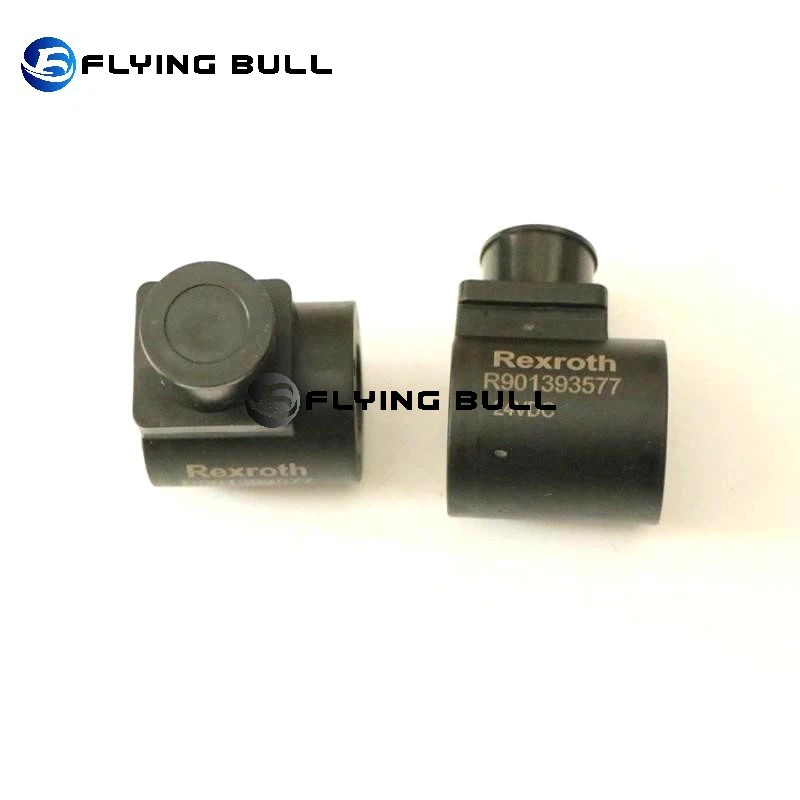

In terms of performance, small-sized coils offer faster response times due to their lower inductance. They can quickly energize and de-energize, allowing for precise control of the hydraulic system. Large-sized coils, while slower to respond, provide more stable and consistent performance under high loads. They are less prone to overheating and can handle continuous operation for extended periods.
Applications
The choice between small-sized and large-sized hydraulic solenoid coils depends largely on the specific application. Small-sized coils are commonly used in applications where space, power, and cost are important considerations. Some examples include:
- Automotive Systems: Small-sized coils are used in automotive hydraulic systems, such as power steering, brake systems, and transmission control. They help to control the flow of hydraulic fluid and ensure smooth operation of these critical components.
- Small Machinery: In small-scale machinery, such as lawn mowers, snow blowers, and garden equipment, small-sized coils are used to control hydraulic valves and actuators. Their compact size and low power consumption make them suitable for these applications.
- Medical Equipment: Medical devices often require precise control of hydraulic fluid flow. Small-sized coils are used in equipment such as infusion pumps, dialysis machines, and surgical instruments to ensure accurate and reliable operation.
Large-sized hydraulic solenoid coils are typically used in heavy-duty applications that require high force and performance. Some common applications include:
- Construction Machinery: Excavators, bulldozers, and cranes rely on large-sized coils to control the hydraulic cylinders and valves that operate the various components of the machinery. You can learn more about Excavator Coil on our website.
- Industrial Equipment: In industrial settings, large-sized coils are used in hydraulic presses, injection molding machines, and material handling equipment. They provide the necessary force to operate these large-scale machines and ensure efficient production processes.
- Marine and Offshore Applications: Marine vessels and offshore platforms use large-sized coils in their hydraulic systems to control steering, propulsion, and other critical functions. These coils are designed to withstand harsh environmental conditions and provide reliable performance in demanding applications.
Considerations for Selection
When selecting between small-sized and large-sized hydraulic solenoid coils, several factors need to be considered:
- Application Requirements: Understand the specific requirements of your application, including the available space, power supply, and the force and performance needed. This will help you determine the appropriate size and specifications of the coil.
- Operating Conditions: Consider the operating environment, such as temperature, humidity, and vibration. Ensure that the coil is designed to withstand these conditions and provide reliable operation over its lifespan.
- Cost and Efficiency: Evaluate the cost of the coil, including the initial purchase price and the long-term operating costs. Consider the energy efficiency of the coil to minimize power consumption and reduce operating expenses.
- Compatibility: Ensure that the coil is compatible with the hydraulic valve and the overall hydraulic system. Check the voltage, current, and other specifications to ensure proper operation.
Conclusion
In conclusion, small-sized and large-sized hydraulic solenoid coils have distinct differences in terms of physical dimensions, power, performance, and applications. Small-sized coils are ideal for applications where space and power are limited, while large-sized coils are suitable for heavy-duty applications that require high force and performance. As a supplier of Hydraulic Coil, we offer a wide range of hydraulic solenoid coils to meet the diverse needs of our customers. Whether you need a small-sized coil for a compact application or a large-sized coil for a heavy-duty project, we can provide you with the right solution.
If you're interested in learning more about our hydraulic solenoid coils or have specific requirements for your application, please feel free to contact us for a detailed discussion. Our team of experts is ready to assist you in selecting the most suitable coil and providing you with the best procurement solutions.
References
- "Hydraulic Solenoid Valve Handbook" - A comprehensive guide to hydraulic solenoid valves and coils.
- "Electromechanical Devices in Hydraulic Systems" - A technical publication on the use of electromechanical components in hydraulic systems.
- Industry standards and specifications for hydraulic solenoid coils.