

What are the potential risks of using an automotive solenoid valve with incorrect specifications?
Hey there! As an automotive solenoid valve supplier, I've seen firsthand how crucial it is to use the right specs for these components. In this blog, I'll chat about the potential risks you might face when using automotive solenoid valves with incorrect specifications.
Let's start with the basics. What exactly is an automotive solenoid valve? Well, it's a crucial part in a vehicle's systems. These valves use an electromagnetic field to control the flow of fluids, like fuel, air, or hydraulic fluid. They're found in various parts of a car, from the engine to the transmission and even in the air suspension system. You can check out more about Electromagnetic Valve Electromagnetic Switch on our website to get a better understanding of their types and functions.
Performance Issues
One of the most immediate risks of using a solenoid valve with incorrect specs is poor performance. If the valve isn't sized correctly for the application, it might not be able to control the flow of fluid properly. For example, if the valve is too small, it can restrict the flow, causing a decrease in power and efficiency. This can lead to problems like rough idling, poor acceleration, and even stalling. On the other hand, if the valve is too large, it might allow too much fluid to flow, which can also mess up the system's balance.
In the engine, a solenoid valve is often used to control the fuel injection. If the valve has the wrong specifications, it can disrupt the fuel - air mixture. This means that the engine might not be able to burn the fuel efficiently, resulting in lower fuel economy. You'll end up spending more on gas, which is definitely not what you want.
System Malfunctions
Using the wrong solenoid valve can also lead to system malfunctions. In an automatic transmission, solenoid valves are used to control the shifting of gears. If the valve doesn't operate correctly due to incorrect specifications, it can cause harsh shifting, delayed shifting, or even prevent the transmission from shifting at all. This not only affects the driving experience but can also cause serious damage to the transmission over time.
The same goes for the Air Suspension Valve. Air suspension systems rely on solenoid valves to control the air pressure in the suspension. If the valve is not up to spec, it can lead to uneven ride height, a bumpy ride, and even make the vehicle unstable on the road. This is a major safety concern, as it can increase the risk of accidents.
Safety Hazards
Safety is a top priority when it comes to automotive parts, and using an incorrect solenoid valve can pose significant safety hazards. In the braking system, some vehicles use solenoid valves in the anti - lock braking system (ABS). If the valve has the wrong specifications, it might not function properly during hard braking. This can result in the wheels locking up, reducing the driver's ability to steer and increasing the stopping distance.
In the engine, incorrect solenoid valves can lead to engine overheating. If the valve that controls the coolant flow is not working correctly, it can prevent the engine from being cooled effectively. Overheating can cause serious damage to the engine, such as warped cylinder heads or a blown head gasket. In extreme cases, it can even lead to a complete engine failure while you're driving, which is extremely dangerous.
Increased Wear and Tear
Another risk of using solenoid valves with incorrect specs is increased wear and tear on the valve itself and other components in the system. When a valve is not designed for the specific application, it has to work harder to perform its function. This can lead to premature failure of the valve. For example, the electromagnetic coil inside the valve might overheat due to excessive current draw if the resistance values are not correct.
The extra stress on the valve can also cause problems for other parts in the system. If the valve is not controlling the flow accurately, the components that rely on that flow, like pumps or actuators, might have to work harder. This increases the wear on these components, reducing their lifespan and increasing the likelihood of breakdowns.
Costly Repairs and Downtime
All these issues result in costly repairs and downtime. If a solenoid valve fails due to incorrect specifications, you'll have to replace it. But that's not all. The damage caused to other components in the system can also be expensive to fix. For example, if a bad solenoid valve causes transmission damage, a transmission repair or replacement can cost thousands of dollars.
Downtime is also a big problem, especially for commercial vehicles. When a vehicle is out of service for repairs, it's not making money. For businesses that rely on their vehicle fleets, this can have a significant impact on the bottom line.
How to Avoid Using Incorrect Solenoid Valves
As a supplier, I want to help you avoid these risks. First of all, make sure you know the exact specifications required for your application. This includes factors like the flow rate, pressure rating, voltage, and valve type. Our website has details about Car Solenoid Valve where you can find specifications and choose the right one for your needs.

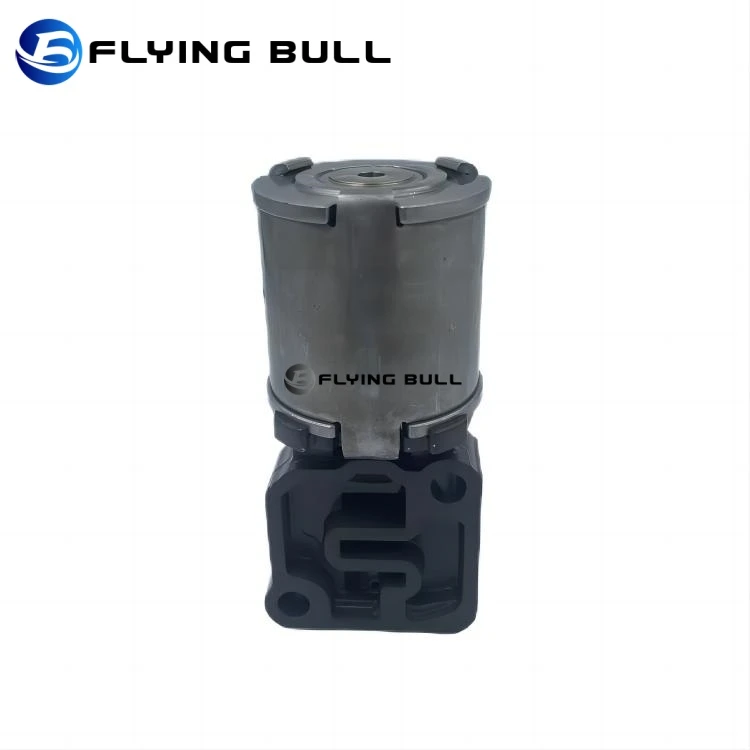
If you're not sure about the specs, don't hesitate to reach out. Our team of experts is here to help you select the right solenoid valve for your vehicle or equipment. We can answer your questions and provide you with all the information you need to make an informed decision.
Conclusion
In conclusion, using an automotive solenoid valve with incorrect specifications can lead to a whole host of problems, from performance issues and system malfunctions to safety hazards and costly repairs. It's essential to choose the right valve for your application to ensure the smooth operation and safety of your vehicle.
If you're in the market for high - quality automotive solenoid valves, I encourage you to get in touch. We offer a wide range of valves with different specifications to meet your specific needs. Whether you're a mechanic, a car enthusiast, or a business owner with a vehicle fleet, we can provide you with the right solution. Don't take chances with incorrect solenoid valves - contact us today to learn more and start your procurement process.
References
- Automotive Engineering Handbook
- Technical manuals of major automotive manufacturers