

What are the potential causes of an automotive solenoid valve failure?
As an automotive solenoid valve supplier, I've seen my fair share of valve failures over the years. These little components play a crucial role in a vehicle's operation, controlling the flow of fluids and gases in various systems. When they fail, it can lead to a whole host of problems, from poor performance to complete breakdowns. So, what are the potential causes of an automotive solenoid valve failure? Let's take a closer look.
1. Electrical Issues
One of the most common causes of solenoid valve failure is electrical problems. Solenoid valves rely on an electrical current to operate, and any issues with the electrical system can prevent them from working properly.

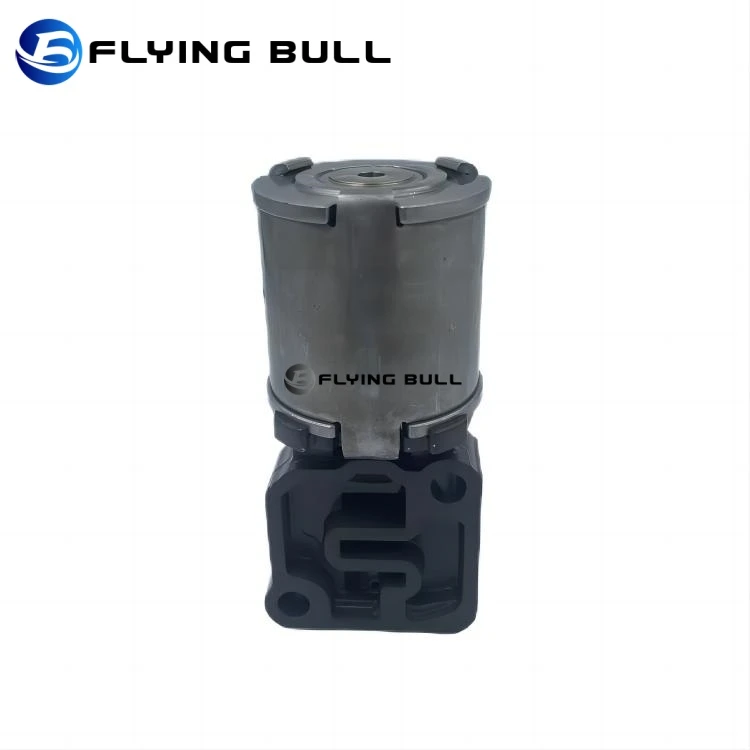
- Faulty Wiring: Over time, the wiring that connects the solenoid valve to the vehicle's electrical system can become damaged. This can be due to wear and tear, exposure to harsh environmental conditions, or even rodent damage. A broken wire or a loose connection can disrupt the flow of electricity, causing the solenoid valve to malfunction.
- Blown Fuses: Fuses are designed to protect the electrical system from overloading. If the solenoid valve draws too much current, it can cause the fuse to blow. A blown fuse means that the valve won't receive any electricity and won't be able to operate.
- Faulty Relay: A relay is an electromechanical switch that controls the flow of electricity to the solenoid valve. If the relay fails, it can prevent the valve from receiving power. This can be caused by a variety of factors, including overheating, corrosion, or mechanical wear.
2. Contamination
Contamination is another major cause of solenoid valve failure. The valve's internal components are very sensitive, and even small particles of dirt, debris, or rust can cause problems.
- Dirt and Debris: In a car's engine compartment, there's a lot of dirt and debris floating around. If any of this gets into the solenoid valve, it can clog the valve's orifices or stick the moving parts. This can prevent the valve from opening or closing properly, leading to poor performance or complete failure.
- Rust and Corrosion: If the valve is exposed to moisture or corrosive substances, it can start to rust or corrode. This can damage the valve's internal components, making it difficult for the valve to operate. Rust can also cause the valve to become stuck, preventing it from opening or closing as needed.
- Fluid Contamination: In some cases, the fluid that the solenoid valve controls can become contaminated. For example, if the hydraulic fluid in a transmission system contains dirt or metal particles, it can cause damage to the solenoid valve. This can lead to valve failure and other transmission problems.
3. Mechanical Wear and Tear
Like any other mechanical component, solenoid valves are subject to wear and tear over time. The constant opening and closing of the valve can cause the internal components to wear out, leading to failure.
- Seal Degradation: The seals inside the solenoid valve are designed to prevent fluid or gas from leaking. Over time, these seals can degrade due to heat, pressure, and chemical exposure. When the seals fail, it can cause leaks, which can affect the valve's performance.
- Spring Fatigue: Solenoid valves often use springs to return the valve to its original position after it has been opened. Over time, these springs can become fatigued and lose their elasticity. This can cause the valve to not close properly or to stick open, leading to problems.
- Valve Seat Erosion: The valve seat is the surface that the valve closes against to stop the flow of fluid or gas. Over time, the constant contact between the valve and the seat can cause erosion. This can lead to leaks and poor valve performance.
4. Overheating
Overheating can also cause solenoid valve failure. When a solenoid valve overheats, the internal components can expand, causing the valve to stick or malfunction.
- Excessive Current: If the solenoid valve is subjected to excessive current, it can generate more heat than it can dissipate. This can cause the valve to overheat and eventually fail. This can be due to a faulty electrical system or other problems with the vehicle.
- Poor Ventilation: In some cases, the solenoid valve may be located in an area with poor ventilation. This can prevent the heat from escaping, causing the valve to overheat. For example, if the valve is installed in a cramped engine compartment with little air circulation, it may not be able to cool down properly.
- High Ambient Temperatures: If the vehicle is operating in a hot environment, the ambient temperature can also contribute to the solenoid valve overheating. This can be a problem in areas with high summer temperatures or in vehicles that are used for heavy-duty applications.
5. Improper Installation
Improper installation is another potential cause of solenoid valve failure. If the valve is not installed correctly, it may not function properly or may be more prone to damage.
- Incorrect Mounting: The solenoid valve needs to be mounted securely and in the correct position. If it is mounted incorrectly, it may not be able to operate properly. For example, if the valve is mounted at an angle, it may cause the internal components to bind or the seals to leak.
- Wrong Connection: The electrical connections and fluid or gas connections need to be made correctly. If the connections are loose or incorrect, it can cause problems. A loose electrical connection can cause intermittent operation or overheating, while a loose fluid or gas connection can cause leaks.
- Failure to Follow Installation Instructions: Each solenoid valve comes with specific installation instructions. If these instructions are not followed, it can lead to problems. For example, if the valve is not properly lubricated or if the wrong type of fluid is used, it can cause damage to the valve.
Solutions and Precautions
As a supplier of Auto Solenoid Valve, Air Suspension Valve, and Car Solenoid Valve, I always recommend proper maintenance and installation to avoid these issues. Regularly inspect the wiring, fuses, and relays to ensure they are in good condition. Keep the valve clean and free from contaminants, and make sure it is properly lubricated. When installing a new valve, always follow the manufacturer's instructions carefully.
If you're experiencing problems with your automotive solenoid valves or if you're looking for high - quality replacement valves, don't hesitate to reach out. We're here to help you find the right solution for your needs. Whether you're a car manufacturer, a repair shop, or an individual looking to fix your vehicle, our team can provide you with expert advice and top - notch products. Let's start a conversation and see how we can work together to keep your vehicles running smoothly.
References
- Automotive Engineering Handbook
- Solenoid Valve Manufacturer's Technical Guides
- SAE International Publications on Automotive Systems