

What are the maintenance requirements for a car solenoid valve?
What are the maintenance requirements for a car solenoid valve?
As a trusted supplier of car solenoid valves, I've witnessed firsthand the pivotal role these components play in a vehicle's performance. Car solenoid valves are integral to various systems, including the transmission, fuel injection, and emission control. Ensuring their proper maintenance is crucial for the smooth operation of your vehicle. In this blog, I'll delve into the essential maintenance requirements for car solenoid valves, drawing on my extensive experience in the industry.
Understanding the Function of Car Solenoid Valves
Before we discuss maintenance, it's important to understand what car solenoid valves do. Solenoid valves are electromechanical devices that control the flow of fluids or gases in a car's systems. They operate using an electric current to open or close a valve, allowing or restricting the flow of the substance. For instance, in an automatic transmission, solenoid valves regulate the flow of transmission fluid, which is essential for smooth gear shifting. In the fuel injection system, they control the amount of fuel delivered to the engine, optimizing performance and fuel efficiency.
The Auto Solenoid Valve is a broad term that encompasses various types of solenoid valves used in different automotive applications. These valves are designed to work under high pressures and temperatures, making them susceptible to wear and tear over time.
Regular Inspection
One of the most important maintenance requirements for car solenoid valves is regular inspection. This involves visually checking the valve for any signs of damage, such as cracks, leaks, or corrosion. A damaged valve can lead to a variety of problems, including reduced performance, increased fuel consumption, and even engine failure.
Inspect the valve's electrical connections to ensure they are secure and free of corrosion. Loose or corroded connections can cause the valve to malfunction, leading to erratic behavior or complete failure. If you notice any signs of damage or corrosion, it's important to replace the affected parts immediately.
Another aspect of inspection is checking the valve's operation. You can do this by using a diagnostic tool to test the valve's electrical signal and response. This will help you determine if the valve is functioning properly or if it needs to be replaced.
Cleaning
Over time, car solenoid valves can become clogged with dirt, debris, and other contaminants. This can restrict the flow of fluids or gases, leading to reduced performance and efficiency. Regular cleaning is essential to prevent this from happening.

To clean a car solenoid valve, you'll need to remove it from the vehicle. This may require some basic tools and mechanical knowledge. Once the valve is removed, you can clean it using a specialized cleaning solution. Be sure to follow the manufacturer's instructions carefully to avoid damaging the valve.
After cleaning, rinse the valve thoroughly with clean water and dry it completely. You can then reinstall the valve in the vehicle and test its operation.
Lubrication
Some car solenoid valves require lubrication to ensure smooth operation. Lubrication helps reduce friction and wear, extending the life of the valve. However, it's important to use the correct type of lubricant and apply it in the right amount.
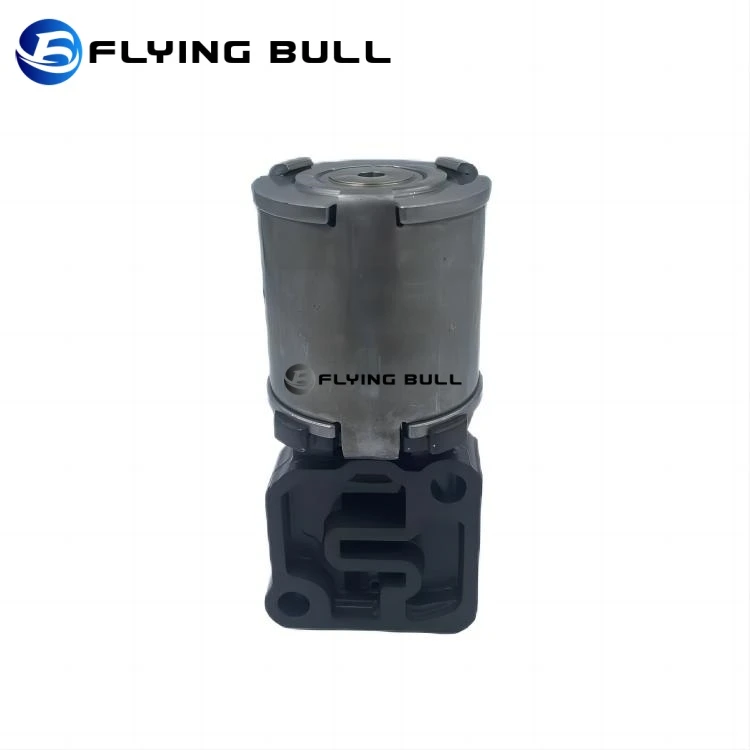
Check the manufacturer's specifications to determine if your valve requires lubrication and what type of lubricant to use. Apply the lubricant according to the instructions, taking care not to over-lubricate the valve.
Replacement of Worn Parts
Even with proper maintenance, car solenoid valves will eventually wear out and need to be replaced. Signs that a valve needs to be replaced include abnormal noises, erratic operation, or a decrease in performance.
When replacing a car solenoid valve, it's important to use a high-quality replacement part. At our company, we offer a wide range of Car Solenoid Valve that are designed to meet or exceed the original equipment manufacturer's specifications. Our valves are made from high-quality materials and undergo rigorous testing to ensure reliability and performance.
Special Considerations for Air Suspension Valves
Air suspension systems use solenoid valves to control the flow of air in and out of the suspension components. These valves are subject to unique maintenance requirements due to the nature of the air suspension system.
The Air Suspension Valve is designed to operate under high pressures and temperatures, making it important to inspect it regularly for signs of wear and damage. In addition, the air suspension system requires a clean and dry air supply to prevent contamination of the valves.
To maintain an air suspension valve, it's important to keep the air filter clean and replace it regularly. You should also check the air lines for leaks and damage, and repair or replace any damaged components as needed.
The Importance of Professional Maintenance
While some maintenance tasks can be performed by car owners, it's often recommended to have a professional mechanic perform more complex maintenance and repairs on car solenoid valves. A professional mechanic has the knowledge, experience, and tools necessary to diagnose and repair problems accurately.

In addition, a professional mechanic can provide valuable advice on how to maintain your car solenoid valves properly. They can also recommend the best replacement parts for your vehicle, ensuring optimal performance and reliability.
Conclusion
Maintaining car solenoid valves is essential for the smooth operation and longevity of your vehicle. By following the maintenance requirements outlined in this blog, you can ensure that your solenoid valves are in good working condition and avoid costly repairs down the road.
If you're in the market for high-quality car solenoid valves or need advice on maintenance and repair, please don't hesitate to contact us. We're here to help you keep your vehicle running at its best.
References
- "Automotive Solenoid Valves: Design, Operation, and Maintenance." Automotive Engineering Handbook.
- "The Role of Solenoid Valves in Vehicle Performance." Journal of Automotive Technology.
- Manufacturer's manuals for various car solenoid valves.