

What are the common problems with truck solenoid valve coils?
Hey there, fellow truck enthusiasts! As a supplier of truck solenoid valve coils, I've seen my fair share of issues with these little but crucial components. In this blog, I'll walk you through some of the common problems you might encounter with truck solenoid valve coils and how to deal with them.
Overheating
One of the most common problems with truck solenoid valve coils is overheating. You know, these coils generate heat when they're energized. It's just the nature of the electrical current flowing through them. But sometimes, things can get a bit too hot for comfort.
There are a few reasons why a coil might overheat. First off, if the voltage supplied to the coil is too high, it can cause excessive current flow, which in turn generates more heat than the coil can handle. Another culprit could be a dirty or clogged valve. When the valve doesn't open or close properly, the coil has to work harder, and that extra effort leads to overheating.
Overheating can have some serious consequences. It can damage the insulation on the coil, which might lead to a short circuit. And once that happens, your solenoid valve is pretty much toast. To prevent overheating, make sure you're using the correct voltage for the coil. Also, keep an eye on the valve's condition and clean it regularly. If you notice the coil getting too hot during normal operation, it's time to take a closer look and figure out what's going on.
Burnout
Burnout is another headache when it comes to truck solenoid valve coils. A burned-out coil is basically a coil that's been damaged beyond repair due to excessive heat or electrical stress. It can happen suddenly or gradually over time.
One of the main causes of burnout is continuous overheating, as I mentioned earlier. But there are other factors too. For example, if the coil is exposed to moisture or other contaminants, it can corrode and eventually burn out. Also, if the coil is subjected to frequent on-off cycles, it can wear out faster and increase the risk of burnout.
When a coil burns out, the solenoid valve won't work at all. You might notice that the valve isn't opening or closing as it should, or there might be a strange smell coming from the coil area. If you suspect a burnout, it's best to replace the coil as soon as possible. You can find a wide range of replacement coils, like the Car Solenoid Valve Coil and Auto Parts Solenoid Valve Coil on our website.
Low Resistance
Low resistance in a truck solenoid valve coil can also cause problems. Resistance is a measure of how much a material opposes the flow of electric current. When the resistance of a coil is too low, it means that more current is flowing through the coil than it's designed to handle.
This can be due to a few reasons. One possibility is that the coil has been damaged, perhaps by physical impact or overheating. Another reason could be a manufacturing defect. Sometimes, the wire used in the coil might have a lower resistance than it should.
Low resistance can lead to overheating and burnout, just like in the cases I mentioned earlier. It can also cause the solenoid valve to malfunction. The valve might open or close too quickly, or it might not operate at all. If you measure the resistance of a coil and find that it's lower than the specified value, it's a good idea to replace the coil. You can check out our W10328463 Solenoid Coil for a reliable replacement option.
Noise and Vibration
Have you ever heard a strange noise or felt excessive vibration coming from a truck solenoid valve? That could be a sign of a problem with the coil. Noise and vibration can occur for several reasons.
One common cause is a loose or misaligned coil. If the coil isn't properly secured to the valve, it can vibrate when it's energized, and that vibration can create a rattling or humming noise. Another reason could be a worn-out or damaged armature. The armature is the moving part inside the solenoid valve that's controlled by the coil. When it's not in good condition, it can cause the valve to operate unevenly and produce noise.
Noise and vibration not only make for an annoying driving experience, but they can also indicate that the solenoid valve is about to fail. If you notice any unusual noise or vibration, it's important to inspect the coil and the valve. Tighten any loose connections and check the armature for wear. If necessary, replace the damaged parts.
Short Circuit
A short circuit is a serious issue that can occur in truck solenoid valve coils. It happens when the electrical current bypasses the normal path through the coil and finds a shorter, unintended route. This can be extremely dangerous as it can cause electrical fires or damage other components in the truck's electrical system.

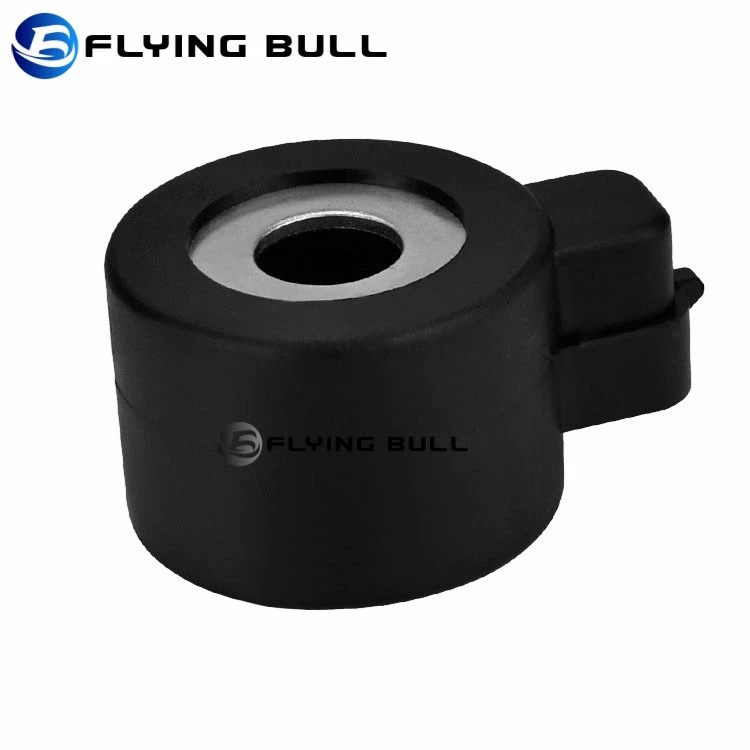
Short circuits can be caused by damaged insulation on the coil wire. If the insulation is cracked or worn away, the wire can come into contact with other conductive materials, creating a short circuit. Moisture or other contaminants can also cause a short circuit if they get inside the coil.
When a short circuit occurs, you might notice that the solenoid valve doesn't work, or there could be a blown fuse in the electrical system. If you suspect a short circuit, it's crucial to disconnect the power supply immediately to prevent further damage. Then, carefully inspect the coil for signs of damage and replace it if necessary.
How to Choose the Right Coil
Now that you know about the common problems with truck solenoid valve coils, you might be wondering how to choose the right coil for your truck. Here are a few tips:
- Match the specifications: Make sure the coil's voltage, resistance, and other specifications match the requirements of your solenoid valve. Using an incompatible coil can lead to problems like overheating and burnout.
- Quality matters: Go for a high-quality coil from a reputable supplier. A well-made coil is more likely to be durable and reliable.
- Consider the application: Different trucks and applications might require different types of solenoid valve coils. Think about the specific needs of your truck and choose a coil that's suitable for that purpose.
Wrapping Up
So, there you have it - the common problems with truck solenoid valve coils and what you can do about them. As a supplier, I understand how important it is to have reliable solenoid valve coils in your truck. That's why we offer a wide range of high-quality coils to meet your needs.
If you're facing any issues with your truck solenoid valve coils or you're looking to replace them, don't hesitate to reach out. We're here to help you find the right solution for your truck. Whether you need a Car Solenoid Valve Coil, an Auto Parts Solenoid Valve Coil, or a W10328463 Solenoid Coil, we've got you covered. Let's get your truck back in top shape!
References
- Automotive Electrical Systems Handbook
- Solenoid Valve Technology Manuals