

Can a wrong car solenoid valve coil damage other parts of the car?
As a seasoned supplier of car solenoid valve coils, I've encountered numerous inquiries from customers regarding the potential damage a faulty solenoid valve coil can inflict on other car parts. This topic is not only crucial for car owners but also for mechanics and automotive enthusiasts. In this blog, I'll delve into the science behind car solenoid valve coils and explore whether a wrong or malfunctioning coil can indeed damage other components of a vehicle.
Understanding Car Solenoid Valve Coils
Before we discuss the potential damage, it's essential to understand what a car solenoid valve coil is and how it functions. A solenoid valve coil is an electromagnetic device that converts electrical energy into mechanical motion. In a car, solenoid valve coils are used in various systems, including the fuel injection system, transmission, and emissions control.
The basic principle of a solenoid valve coil involves a coil of wire wrapped around a core. When an electric current passes through the coil, it creates a magnetic field that attracts or repels a plunger or armature. This movement controls the flow of fluid or gas through the valve, allowing for precise regulation of various functions within the car.
Types of Car Solenoid Valve Coils
There are several types of car solenoid valve coils, each designed for specific applications. Some of the most common types include:
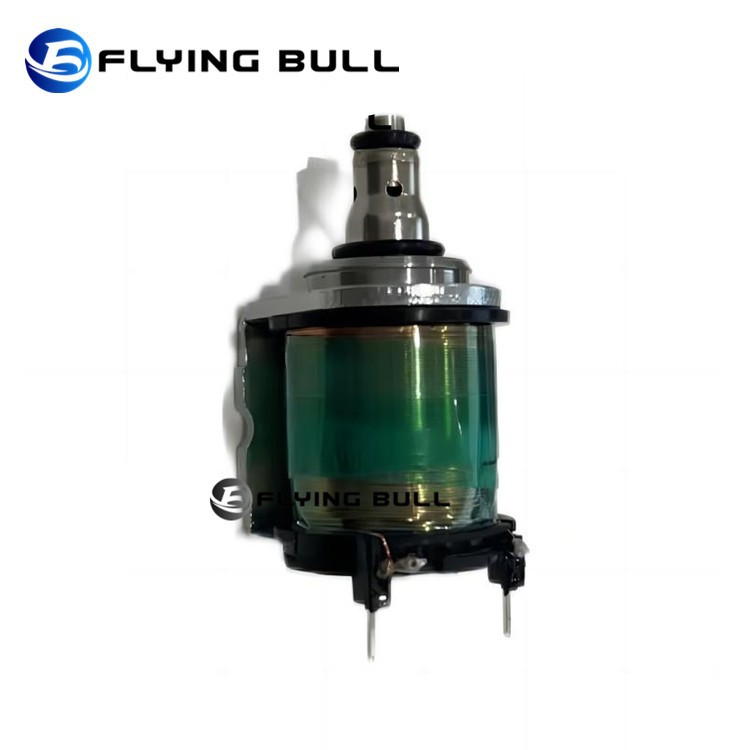
- Truck Solenoid Valve Coil: These coils are specifically designed for trucks and heavy-duty vehicles. They are built to withstand the rigors of heavy use and provide reliable performance in demanding conditions. Truck Solenoid Valve Coil
- Special Equipment Vehicle Solenoid Valve Coil: Special equipment vehicles, such as construction equipment and agricultural machinery, require solenoid valve coils that can operate in harsh environments. These coils are designed to be resistant to dust, dirt, and moisture, ensuring reliable performance in challenging conditions. Special Equipment Vehicle Solenoid Valve Coil
- W10328463 Solenoid Coil: This is a specific type of solenoid coil used in certain models of cars. It is designed to provide precise control of fluid or gas flow in the vehicle's system. W10328463 Solenoid Coil
Can a Wrong Car Solenoid Valve Coil Damage Other Parts?
The short answer is yes, a wrong or malfunctioning car solenoid valve coil can potentially damage other parts of the vehicle. Here's how:
- Electrical Overload: If a solenoid valve coil is not properly matched to the electrical system of the car, it can draw too much current, causing an electrical overload. This can lead to damage to the wiring, fuses, and other electrical components in the vehicle.
- Incorrect Valve Operation: A wrong solenoid valve coil may not operate correctly, leading to improper control of fluid or gas flow. This can cause issues such as engine misfires, poor fuel economy, and transmission problems. Over time, these issues can lead to damage to the engine, transmission, or other components.
- Mechanical Stress: A malfunctioning solenoid valve coil can cause excessive mechanical stress on the valve and other related components. This can lead to premature wear and tear, increasing the risk of component failure.
- Contamination: If a solenoid valve coil fails to operate correctly, it can allow contaminants to enter the system. This can cause damage to the valves, pumps, and other components, leading to costly repairs.
Signs of a Faulty Car Solenoid Valve Coil
It's important to be aware of the signs of a faulty car solenoid valve coil so that you can address the issue before it causes further damage. Some common signs include:
- Engine Performance Issues: A faulty solenoid valve coil can cause engine performance issues such as misfires, rough idling, and reduced power.
- Transmission Problems: In vehicles with automatic transmissions, a faulty solenoid valve coil can cause shifting problems, such as delayed or harsh shifts.
- Warning Lights: A malfunctioning solenoid valve coil can trigger the check engine light or other warning lights on the dashboard.
- Strange Noises: A faulty solenoid valve coil may produce strange noises, such as clicking or buzzing sounds.
Preventing Damage from a Wrong Car Solenoid Valve Coil
To prevent damage from a wrong car solenoid valve coil, it's important to choose the right coil for your vehicle. Here are some tips:
- Consult the Manufacturer: Always consult the vehicle manufacturer's specifications to ensure that you are using the correct solenoid valve coil for your car.
- Choose a Reputable Supplier: Purchase solenoid valve coils from a reputable supplier who offers high-quality products and reliable customer support.
- Have the Coil Installed by a Professional: If you are not familiar with car repairs, it's best to have the solenoid valve coil installed by a professional mechanic. This will ensure that the coil is installed correctly and that the system is properly tested.
Conclusion
In conclusion, a wrong or malfunctioning car solenoid valve coil can indeed damage other parts of the vehicle. It's important to choose the right coil for your car and to have it installed by a professional to prevent potential damage. If you suspect that your car's solenoid valve coil is faulty, it's important to have it inspected and replaced as soon as possible to avoid further damage.
As a leading supplier of car solenoid valve coils, we offer a wide range of high-quality coils for various applications. Our products are designed to meet the strictest industry standards and provide reliable performance. If you have any questions or need assistance in choosing the right solenoid valve coil for your vehicle, please don't hesitate to contact us. We are here to help you keep your car running smoothly.

References
- automotive repair manuals
- industry research reports
- technical articles on solenoid valve technology