

Can a car solenoid valve affect the fuel economy?
Hey there, car enthusiasts and fellow gearheads! As a supplier of car solenoid valves, I've gotten tons of questions about how these little components can impact a vehicle's fuel economy. So, let's dig into this topic and see if a car solenoid valve can really make a difference in how much gas your car guzzles.
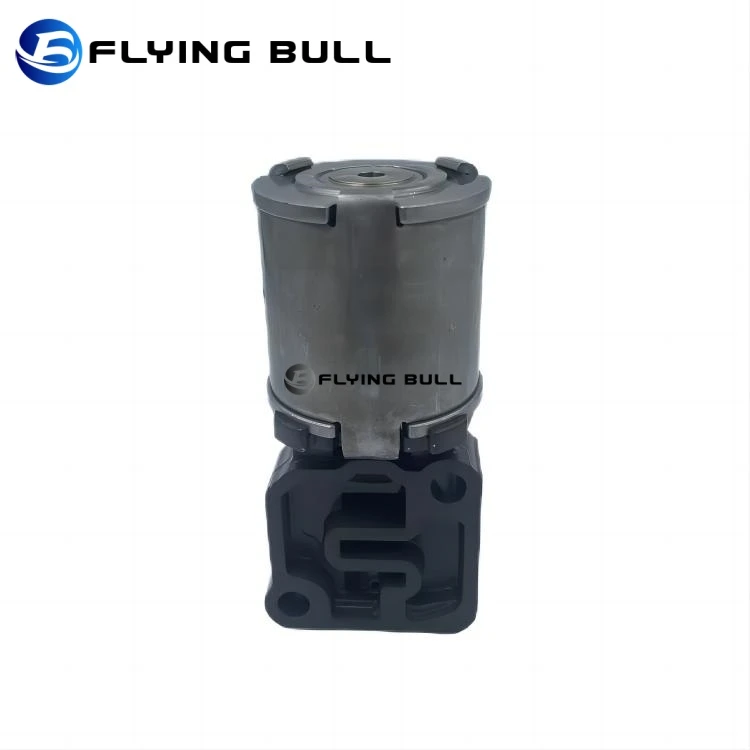
First off, what the heck is a car solenoid valve? Well, a solenoid valve is an electromechanically operated valve. In a car, these valves play a bunch of crucial roles. They're used in all sorts of systems, like the engine management system, the transmission, and the emissions control system.
Let's start with the engine management system. One of the most important solenoid valves in this system is the fuel injector solenoid. This little guy controls the flow of fuel into the engine's combustion chamber. When the engine control unit (ECU) sends an electrical signal, the solenoid valve opens, allowing fuel to spray into the chamber. If this valve isn't working properly, it can lead to all sorts of problems. For example, if it doesn't open fully or at the right time, the engine might not get enough fuel. This can cause the engine to run lean, which means there's too much air and not enough fuel in the combustion mixture. A lean mixture can lead to decreased power and increased fuel consumption because the engine has to work harder to produce the same amount of power.
On the flip side, if the fuel injector solenoid stays open too long or leaks, the engine will get too much fuel. This is called running rich, and it's also bad for fuel economy. A rich mixture means that there's more fuel than the engine can efficiently burn, so a lot of that extra fuel just goes to waste. You can think of it like trying to burn a huge pile of wood in a small fireplace - most of it just smolders and doesn't turn into useful heat.
Another important solenoid valve in the engine management system is the idle air control (IAC) valve. This valve controls the amount of air that bypasses the throttle plate when the engine is idling. If the IAC valve malfunctions, it can cause the engine to idle too high or too low. An idle that's too high means the engine is using more fuel than it needs to just to keep running, which obviously hurts fuel economy.
Now, let's talk about the transmission. Solenoid valves are used in automatic transmissions to control the flow of transmission fluid. These valves determine when the transmission shifts gears. If a solenoid valve in the transmission fails, it can cause the transmission to shift incorrectly. For example, it might shift too early or too late, or it might not shift at all. Incorrect shifting can put extra strain on the engine, which means it has to work harder and use more fuel.
The emissions control system also relies on solenoid valves. One of the key valves in this system is the evaporative emissions control (EVAP) solenoid. This valve controls the flow of fuel vapors from the fuel tank to the engine. If the EVAP solenoid is faulty, it can cause fuel vapors to leak into the atmosphere instead of being burned in the engine. Not only is this bad for the environment, but it also means that you're losing fuel that could otherwise be used to power your car.
So, as you can see, a car solenoid valve can definitely affect fuel economy. But how can you tell if your solenoid valves are causing problems? Well, there are a few signs to look out for. If you notice that your car's fuel economy has suddenly dropped, that could be a sign that a solenoid valve is malfunctioning. Other symptoms might include rough idling, poor acceleration, and a check engine light on your dashboard.
If you suspect that a solenoid valve is the culprit, it's important to get it checked out as soon as possible. A mechanic can use a diagnostic tool to check the solenoid valves and see if they're working properly. In some cases, the valve might just need to be cleaned or adjusted. In other cases, it might need to be replaced.
As a car solenoid valve supplier, I can tell you that we offer a wide range of high - quality solenoid valves for all types of vehicles. Whether you need an Electromagnetic Valve Electromagnetic Switch, an Oil Control Valve, or a Car Solenoid Valve, we've got you covered. Our valves are designed to meet or exceed OEM specifications, so you can be sure that they'll work just as well as the original parts.
Investing in a good quality solenoid valve can actually save you money in the long run. By ensuring that your car's systems are working properly, you can improve fuel economy and avoid costly repairs down the road.
If you're in the market for car solenoid valves, or if you just have more questions about how they work and how they can affect your car's fuel economy, don't hesitate to reach out. We're here to help you make the best choice for your vehicle. Whether you're a professional mechanic or a DIY car enthusiast, we've got the knowledge and the products to meet your needs.
In conclusion, car solenoid valves play a vital role in a vehicle's performance and fuel economy. A malfunctioning solenoid valve can lead to decreased fuel efficiency, so it's important to keep an eye on these components and replace them when necessary. And if you need a new solenoid valve, we're the supplier you can trust.
References

- Automotive Engineering Handbook, various editions
- Car Maintenance Manuals from major automotive manufacturers