

Are there any special requirements for shipping pneumatic connectors?
When it comes to shipping pneumatic connectors, there are indeed several special requirements that need to be considered. As a pneumatic connector supplier, I've encountered various situations and learned a great deal about the shipping process. In this blog, I'll share my insights on the special requirements for shipping these essential components.
Packaging Requirements
One of the primary concerns when shipping pneumatic connectors is proper packaging. These connectors are often made of delicate materials such as plastic, metal alloys, or a combination of both. They can be easily damaged by impacts, vibrations, and environmental factors during transit.
Protection Against Physical Damage
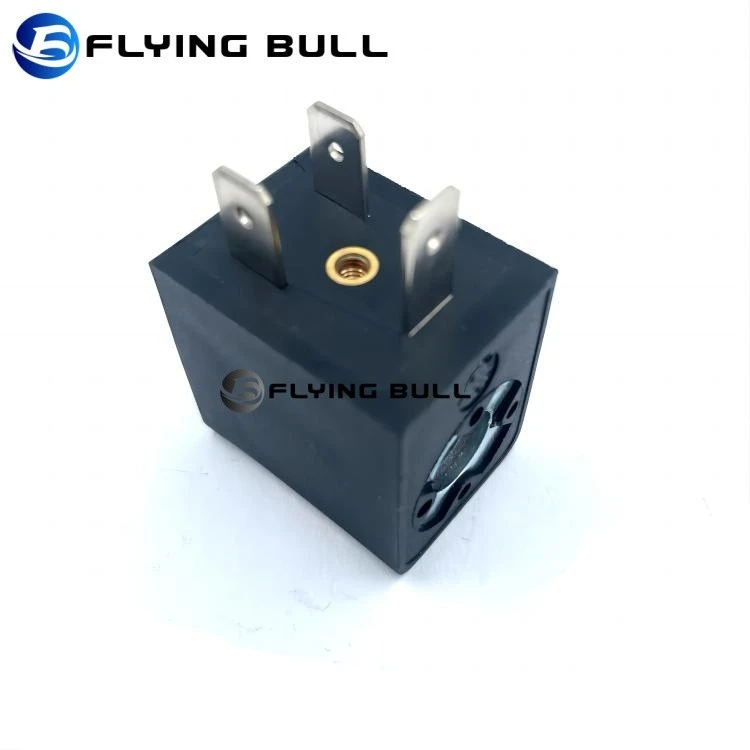
Pneumatic connectors should be individually wrapped in anti - static foam or bubble wrap to cushion them from shocks. This is especially important for connectors with intricate designs or small parts that could break off. For example, some Pneumatic Connector models have tiny pins or ports that are vulnerable to bending or snapping. After individual wrapping, they should be placed in sturdy cardboard boxes with sufficient padding materials like packing peanuts or foam inserts. The boxes should be sealed securely to prevent any movement during shipping.
Resistance to Environmental Conditions
The packaging must also protect the connectors from environmental factors such as moisture, dust, and extreme temperatures. Moisture can cause corrosion on metal parts of the connectors, which can lead to malfunction. To prevent this, desiccant packets can be placed inside the packaging to absorb any excess moisture. Additionally, the boxes should be made of moisture - resistant materials. For shipments to areas with high humidity or dusty environments, extra protective layers like plastic bags can be used.
Labeling Requirements
Proper labeling is crucial for the smooth shipping of pneumatic connectors. It helps in identifying the contents, handling instructions, and destination details.
Product Identification
Each package should be clearly labeled with the description of the pneumatic connectors inside. This includes the type, model number, and quantity. For instance, if the package contains a batch of solenoid - operated pneumatic connectors, the label should state "Solenoid Pneumatic Connectors, Model XYZ, Quantity: 50". This information is not only useful for the shipping carrier but also for the recipient to quickly verify the contents.
Handling Instructions
Labels should also include handling instructions. Pneumatic connectors are fragile items, so labels indicating "Fragile - Handle with Care" are essential. If there are any special handling requirements, such as specific storage temperatures or orientation during shipping, these should also be clearly marked. For example, some connectors may need to be stored at a certain temperature range to maintain their performance, and the label should state "Store between 10°C - 30°C".
Shipping Details
The shipping labels must have accurate destination and return addresses. This ensures that the package reaches the correct recipient and can be returned if there are any delivery issues. Additionally, tracking numbers should be clearly displayed on the label, allowing both the supplier and the customer to monitor the shipment's progress.
Documentation Requirements
Shipping pneumatic connectors involves a certain amount of documentation to comply with international and domestic regulations.
Commercial Invoice
A commercial invoice is a key document that provides details about the transaction. It includes the description of the pneumatic connectors, their value, quantity, and the terms of sale. The invoice is used by customs authorities to assess duties and taxes. For example, if the connectors are being shipped internationally, the customs officials will use the invoice to determine the appropriate import duties based on the declared value of the goods.
Bill of Lading
The bill of lading is a contract between the shipper and the carrier. It serves as a receipt for the goods being shipped and details the terms of transportation. It includes information such as the origin, destination, and the number of packages. This document is important for both the supplier and the customer as it provides proof of shipment and can be used to resolve any disputes regarding the delivery.
Certificates and Permits
Depending on the destination country and the nature of the pneumatic connectors, certain certificates and permits may be required. For example, if the connectors contain materials that are subject to export controls, an export license may be needed. Some countries also require certificates of compliance with safety and quality standards. It is the supplier's responsibility to ensure that all the necessary certificates and permits are obtained before shipping.
Regulatory Requirements
There are various regulatory requirements that need to be met when shipping pneumatic connectors, especially for international shipments.
International Trade Regulations
When shipping pneumatic connectors across borders, suppliers need to comply with international trade regulations. This includes adhering to the rules of the World Trade Organization (WTO) and the customs regulations of the destination country. For example, some countries have restrictions on the import of certain types of pneumatic connectors, especially those with military - grade features or made from restricted materials.
Safety and Quality Standards
Pneumatic connectors must meet certain safety and quality standards. In the European Union, for example, products must comply with the CE marking requirements, which indicate that the product meets health, safety, and environmental protection standards. For shipments to the United States, the connectors may need to meet the standards set by organizations such as the National Electrical Manufacturers Association (NEMA). Suppliers need to ensure that their products are tested and certified to meet these standards before shipping.
Shipping Method Considerations
The choice of shipping method can also impact the requirements for shipping pneumatic connectors.
Air Freight
Air freight is a popular choice for shipping pneumatic connectors, especially for urgent orders or long - distance shipments. It offers fast delivery times, which is important for customers who need the connectors quickly for their production processes. However, air freight has its own set of requirements. The weight and size of the packages are more strictly regulated compared to other shipping methods. Also, the packaging must be able to withstand the rapid changes in pressure and temperature during flight.
Sea Freight
Sea freight is a more cost - effective option for large - volume shipments of pneumatic connectors. But it has a longer transit time. When using sea freight, the packaging needs to be more robust to withstand the longer journey and the rough handling on ships. Additionally, sea freight may involve more complex customs clearance procedures, so all the documentation requirements need to be carefully prepared.
Ground Freight
Ground freight, such as trucking, is suitable for local or regional shipments. It offers flexibility in terms of package size and weight. However, the packaging still needs to protect the connectors from vibrations and impacts during the road journey.
In conclusion, shipping pneumatic connectors requires careful attention to various special requirements. From proper packaging and labeling to accurate documentation and compliance with regulations, every step is crucial to ensure that the connectors reach their destination in good condition. As a pneumatic connector supplier, I understand the importance of meeting these requirements to provide the best service to my customers.
If you are in need of high - quality pneumatic connectors and are interested in learning more about our shipping options and product range, we invite you to contact us for a procurement discussion. We are committed to providing you with the best solutions for your pneumatic connector needs.

References
- International Air Transport Association (IATA) Dangerous Goods Regulations
- World Trade Organization (WTO) Trade Facilitation Agreement
- European Union CE Marking Guidelines
- National Electrical Manufacturers Association (NEMA) Standards