


SINOMACH Solenoid Valve Replaced
Safe & Reliable Replacement Guide – SINOMACH Solenoid Valve 393000M024 SINOMACH construction machinery and industrial equipment rely on solenoid valves to control hydraulic functions. When a valve fails, the machine may stop moving, operate erratically, or leak. The SINOMACH solenoid valve replaced by Flying Bull (OE No. 393000M024) is a direct replacement hydraulic valve for SINOMACH equipment. It operates with oil media under ordinary pressure. The valve is 100% brand new, manufactured in Zhejiang, China, and backed by a 1‑year warranty. Delivery takes 5–7 working days. This guide provides a step‑by‑step procedure for safely replacing a failed 393000M024 solenoid valve. Step 1: Remove the old solenoid valve 393000M024 1. Turn off power and fluid sources – Before touching any connection, shut down the machine. Disconnect the battery or main electrical disconnect. Then, shut off the hydraulic fluid source – close isolation valves or relieve system pressure. This is critical for safety. 2. Remove connecting pipes and electrical connections – Use proper tools (wrenches, screwdrivers) to disconnect the hydraulic lines from the old valve. Have a container ready for any residual oil. Label the lines if needed (pressure, tank, work ports). Then, disconnect the electrical connector from the solenoid coil. 3. Carefully remove the old solenoid valve – Unscrew the valve from its mounting (manifold or subplate). Use care not to damage the surrounding threads or components. If the valve is stuck, apply penetrating oil – do not use excessive force. Step 2: Install the new solenoid valve 393000M024 1. Connect the new valve to pipes and electrical lines – Install the new valve in the correct orientation (flow direction arrow if present). Use new sealing material (O‑rings, seal washers). Tighten connections to the recommended torque. Connect the electrical wiring – ensure the connector locks securely. 2. Secure the valve (if necessary) – Some installations require a pipe clamp or other fastening device to support the valve or piping. Use as needed to prevent vibration damage. 3. Check all connections – Visually inspect every connection. Look for cross‑threaded fittings, missing seals, or loose electrical plugs. Ensure there are no leaks or looseness before moving to testing. Step 3: Test the new solenoid valve 393000M024 1. Verify installation – Before turning on power and fluid, double‑check that all connections are properly installed. Ensure the work area is clean and dry. 2. Gradually open power and fluid sources – First, restore electrical power (reconnect battery or turn on the disconnect). Then, slowly open the hydraulic fluid source. Watch for immediate leaks. 3. Observe operation – Activate the function controlled by the solenoid valve. Listen for a click (valve shifting). Observe the hydraulic movement – it should be smooth and responsive. Ensure the valve works normally. 4. If you find anomalies – If you see leaks, hear unusual noises, or the function does not work, immediately shut down the system (cut power and fluid). Re‑check connections and the valve itself. Do not operate until the problem is fixed. Step 4: Precautions – safety and accuracy 1. Safety first – When replacing the solenoid valve, be sure to follow relevant safety regulations and operating procedures. Wear safety glasses and gloves. Relieve hydraulic pressure before disconnecting lines. Disconnect electrical power to prevent accidental activation. These steps ensure the safety of yourself and others. 2. Accurate matching – Ensure that the new solenoid valve matches the model and specification of the old solenoid valve (OE 393000M024). Using the wrong valve – different voltage, pressure rating, flow capacity, or thread size – will cause improper operation, leaks, or equipment damage. 3. Professional operation – If you are not familiar with or unsure of the replacement operation of the solenoid valve, it is recommended to seek the help and guidance of a professional mechanic or hydraulic technician. Incorrect installation can be dangerous. Why choose Flying Bull for the SINOMACH solenoid valve 393000M024? Direct replacement – Matches SINOMACH original part 393000M024. 100% brand new – Not rebuilt or remanufactured. 1‑year warranty – Against manufacturing defects. Fast delivery – 5‑7 working days from Zhejiang, China. Flying Bull’s SINOMACH solenoid valve replaced (393000M024) is a reliable, high‑quality replacement. Use this step‑by‑step guide for a safe, successful installation. Choose Flying Bull to keep your SINOMACH equipment operating reliably.
Product Introduction
Products Description
|
OE NO.: 393000M024 |
Media: Oil |
|
Warranty: 1 YEAR |
Condition: New, 100% Brand-new |
|
Place of Origin: Zhejiang, China |
Item: Solenoid |
|
Brand Name: FLYING BULL |
Quality: High-Quality |
|
Delivery: 5-7 Working Days |
Pressure: Ordinary Pressure |
Hydraulic Valve 393000m024 Construction Machinery Parts
The solenoid valve 393000M024 replacement steps
1. Remove the old solenoid valve393000M024:
① Turn off the power and fluid sources connected to the solenoid valve.
② Use proper tools to remove the connecting pipe and electrical connection of the solenoid valve.
③ Carefully remove the old solenoid valve from the installation position.
2. Install the new solenoid valve:
① Connect the new solenoid valve to the pipeline and electrical line to ensure that the connection is firm and sealed.
② If necessary, secure the solenoid valve to the installation position using a pipe clamp or other fastening device.
③ Check all connections to make sure there are no leaks or looseness.
3. Test the new solenoid valve393000M024:
① Make sure all connections are properly installed before turning the power and fluid source back on.
② Gradually open the power and fluid source, observe the operation of the solenoid valve, and ensure that it works normally.
③ If you find any anomalies or problems, immediately shut down the system and check the connection and solenoid valve itself.
4. Precautions
① Safety first: When replacing the solenoid valve, be sure to follow the relevant safety regulations and operating procedures to ensure the safety of yourself and others.
② Accurate matching: Ensure that the new solenoid valve matches the model and specification of the old solenoid valve to ensure that it can work normally and meet the needs of the equipment.
③ Professional operation: If you are not familiar with or unsure of the replacement operation of the solenoid valve, it is recommended to seek the help and guidance of professionals.


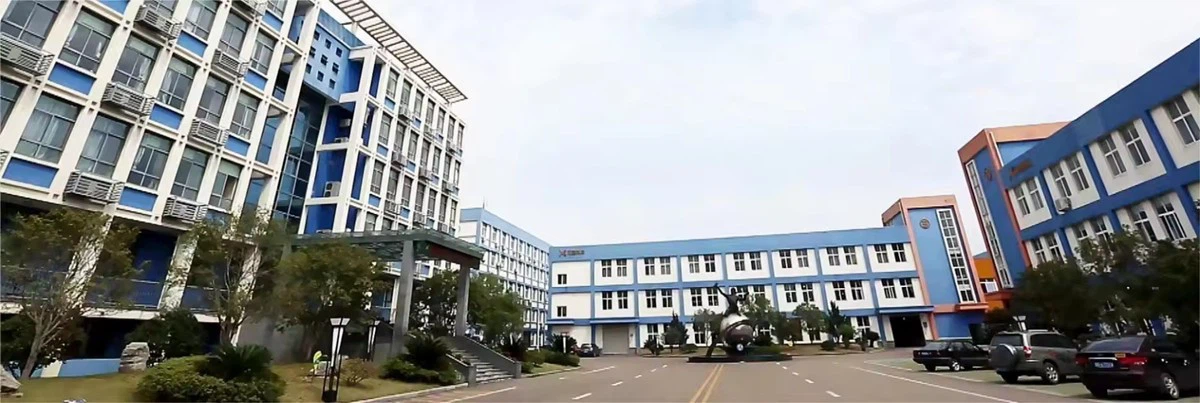
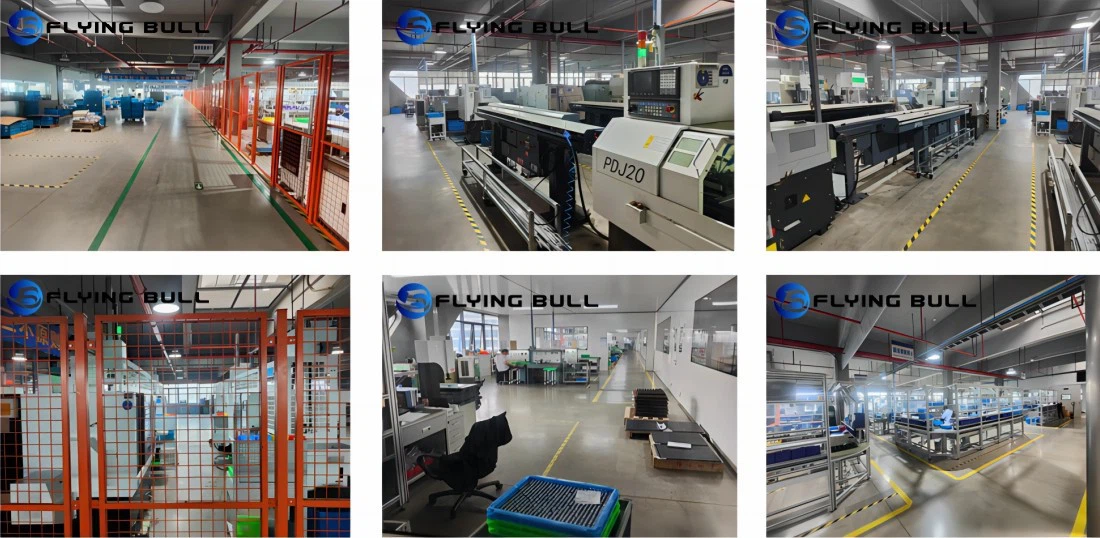
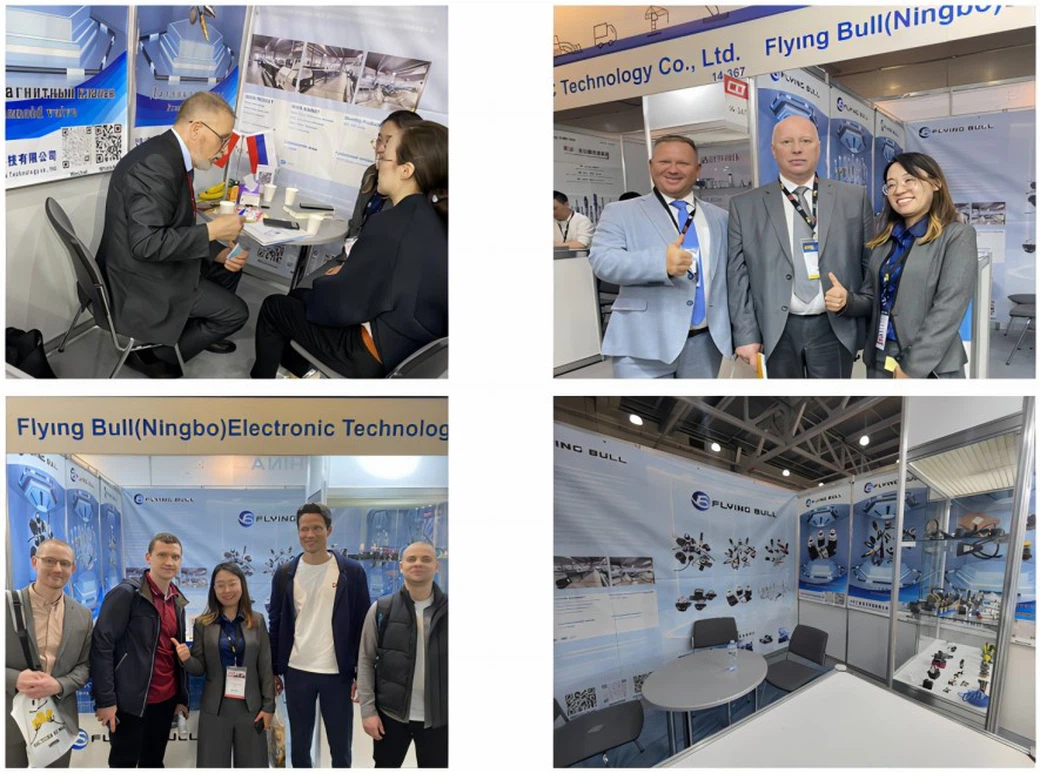
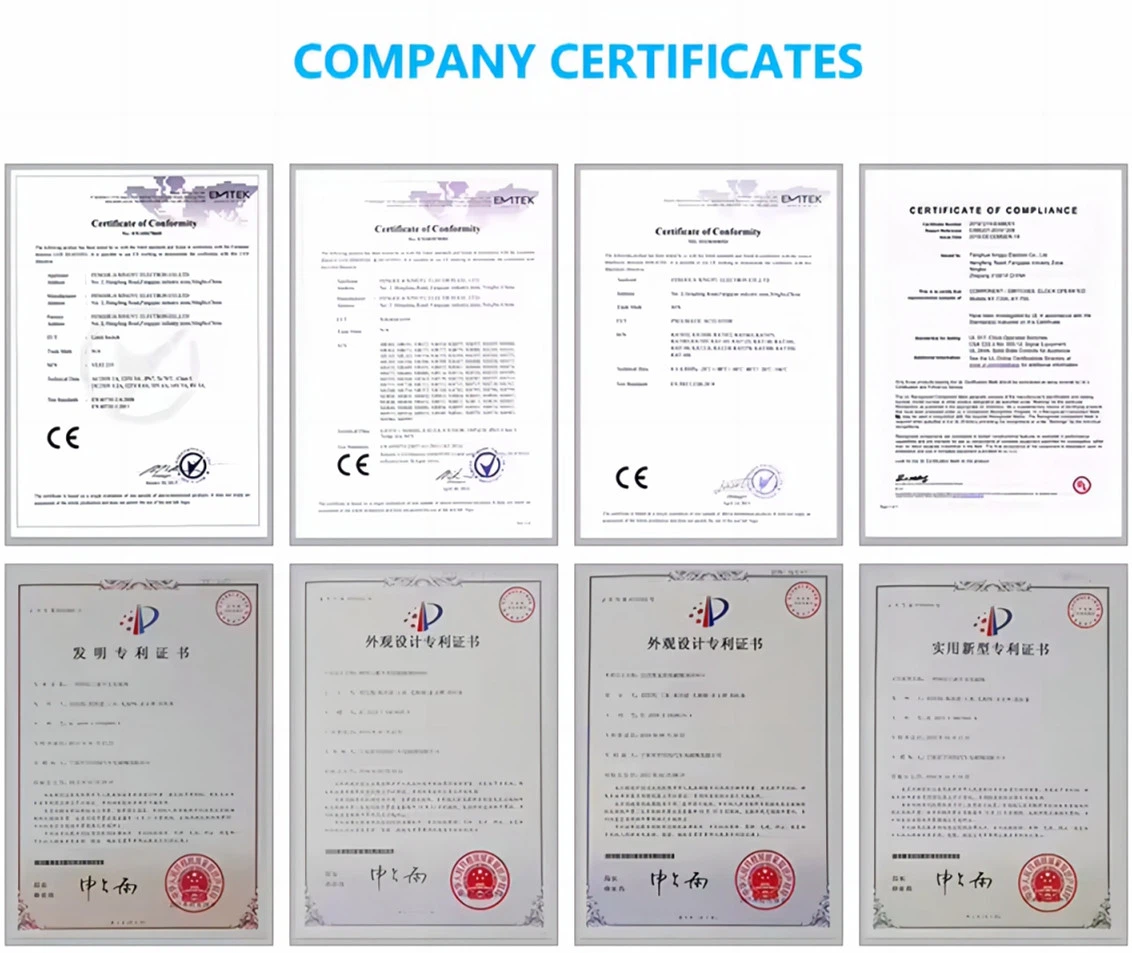
Company Introduction


Frequently Asked Questions (FAQ)
1. What is the OE number and application of this SINOMACH solenoid valve?
The OE number is 393000M024. This hydraulic solenoid valve is used in SINOMACH construction machinery and industrial equipment. It controls hydraulic oil flow, pressure, or direction.
2. What are the first two steps before removing the old solenoid valve?
(1) Turn off the power and fluid sources connected to the solenoid valve – disconnect the battery and shut off hydraulic pressure. (2) Relieve any trapped pressure in the system.
3. What tools do I need to replace the 393000M024 solenoid valve?
You will need wrenches (metric sizes), screwdrivers, possibly a pipe clamp, a container for drained oil, and safety equipment (glasses, gloves). Also have new O‑rings or seal washers.
4. How do I remove the old solenoid valve?
After disconnecting power and fluid: use proper tools to remove the connecting pipes and electrical connections. Then carefully remove the old solenoid valve from its installation position (unscrew it). Do not damage the threads.
5. How do I install the new solenoid valve?
(1) Connect the new valve to pipes and electrical lines – ensure firm, sealed connections. (2) If needed, secure the valve with a pipe clamp or fastening device. (3) Check all connections for leaks or looseness before testing.
6. How do I test the new solenoid valve after installation?
(1) Verify all connections are properly installed. (2) Gradually open power and fluid sources. (3) Observe the operation – the valve should shift (click) and the hydraulic function should move smoothly. (4) If you find any anomalies, immediately shut down and check connections.
7. What are the most important precautions when replacing a solenoid valve?
(1) Safety first – follow safety regulations, relieve pressure, disconnect power. (2) Accurate matching – ensure new valve matches old valve model (393000M024). (3) If unsure, seek professional help.
8. Why must the new valve match the old valve exactly?
Using the wrong valve – different voltage, pressure rating, flow capacity, or thread size – will cause improper operation. The valve may not shift, may leak, may restrict flow, or may burst under overpressure. Always match the OE number.
9. Does the SINOMACH solenoid valve 393000M024 come with a warranty?
Yes. Flying Bull provides a 1‑year warranty against manufacturing defects. Damage caused by contamination (dirty oil), incorrect installation (wrong torque, missing seals), overpressure, voltage issues, or physical damage is not covered.
10. Is this valve a direct replacement for the original SINOMACH part?
Yes. The 393000M024 is manufactured as a direct replacement for the original SINOMACH solenoid valve. It matches the original mounting dimensions, port sizes, flow characteristics, pressure rating, voltage, and connector type. Always verify your original part number before ordering.
Hot Tags: sinomach solenoid valve replaced, China sinomach solenoid valve replaced manufacturers, suppliers, factory, hydraulic valve, kubota solenoid valve replaced, 246284 hydraulic solenoid valve, jlg solenoid valve replaced, sumitomo solenoid valve replaced, volvo solenoid valve replaced
You Might Also Like


Send Inquiry
