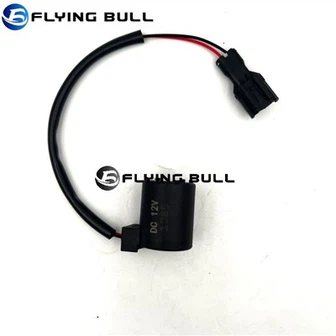
How to Replace a Transmission Solenoid Valve
Replacing a transmission solenoid valve requires preparation. First, remove the old solenoid valve and install the new one, followed by commissioning. To do this, prepare your tools, park the vehicle on a safe, flat surface, locate the transmission, carefully remove the relevant components, and mark them. Remove the old solenoid valve and replace it with the new one, ensuring it is securely installed. After installation, use specialized tools to connect to the vehicle's OBD interface, read data, and perform commissioning. Meanwhile, conduct a road test and observe the vehicle's condition. This process is quite complex, so if you lack experience, seek professional assistance.
Wrenches and screwdrivers are essential tools for removing and installing various components. Professional diagnostic tools are also essential to ensure smooth commissioning. It is crucial to park the vehicle on a safe, flat surface, apply the parking brake to prevent the vehicle from sliding and causing danger, and then open the hood to accurately locate the transmission.
Extreme caution is required when removing the old solenoid valve. All surrounding transmission components, such as the wiring harness and oil pipes, must be carefully removed one by one and marked for accurate reassembly. These components are interconnected, and carelessness can lead to installation errors. Once the solenoid valve is located, use the appropriate tools to remove it, taking care not to damage surrounding components.
When installing a new solenoid valve, ensure it is securely installed. Position the valve correctly and tighten the screws to prevent any loosening. Then, reinstall the wiring harness, oil pipes, and other components according to the markings made previously, ensuring tight connections and no leaks.
Post-installation commissioning is crucial. Use a professional diagnostic tool to connect to the vehicle's OBD port to read transmission data. Based on this data, adjust the solenoid valve's control parameters, such as current and voltage. Then, conduct multiple road tests to carefully observe the vehicle's shifting behavior and driving stability. If any problems such as shifting jerks or unusual vibrations are observed, return to the repair shop and adjust the parameters immediately.
In short, replacing a transmission solenoid valve is a technical task involving multiple steps, each requiring meticulous attention. Preparation, disassembly and installation, and final commissioning all require professional knowledge and skills. For vehicle safety and performance, those lacking relevant experience should seek replacement at a professional repair shop.