

What is the maintenance interval for a hydraulic valve?
The maintenance interval for a hydraulic valve is a critical consideration for ensuring the optimal performance, longevity, and safety of hydraulic systems. As a reputable hydraulic valve supplier, we understand the significance of providing accurate information on maintenance intervals to our customers. In this blog post, we will delve into the factors that influence the maintenance interval of hydraulic valves, offer guidelines for determining the appropriate intervals, and highlight the importance of regular maintenance.

Factors Influencing Maintenance Intervals
Several factors play a role in determining the maintenance interval for hydraulic valves. Understanding these factors is essential for establishing a maintenance schedule that meets the specific needs of your hydraulic system.
Operating Conditions
The operating conditions under which a hydraulic valve operates have a significant impact on its maintenance requirements. Valves used in harsh environments, such as those exposed to high temperatures, dust, moisture, or corrosive substances, are more likely to experience wear and tear and may require more frequent maintenance. For example, hydraulic valves used in mining operations or construction equipment are often subjected to extreme conditions and may need to be inspected and maintained more regularly than those used in a controlled industrial environment.
System Pressure and Flow
The pressure and flow rates within a hydraulic system can also affect the maintenance interval of hydraulic valves. Valves operating at high pressures or with high flow rates are subjected to greater stress and may experience more rapid wear. In such cases, more frequent maintenance may be necessary to prevent valve failure and ensure the reliability of the hydraulic system.
Valve Type and Design
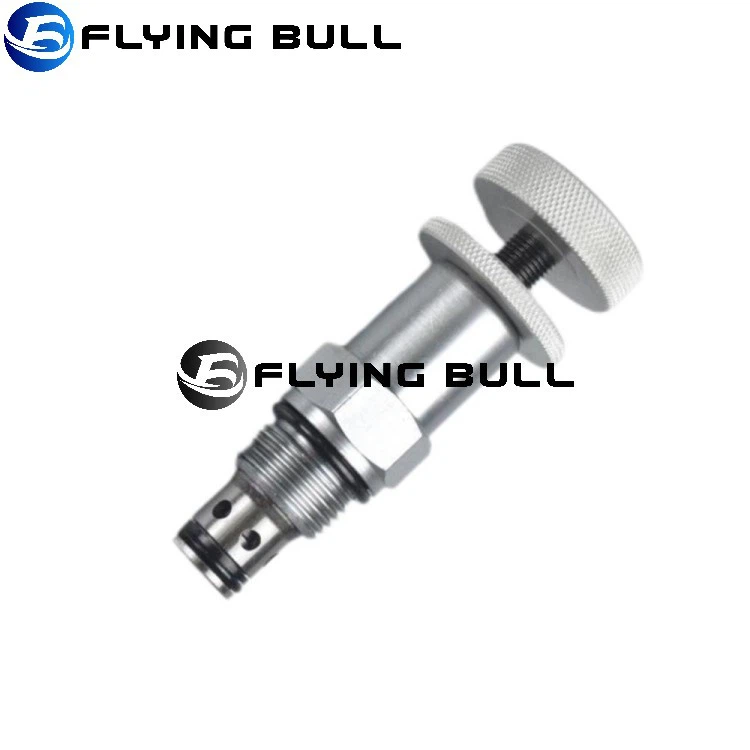
Different types of hydraulic valves have varying maintenance requirements. For instance, Relief Hydraulic Check Valve are designed to protect the system from overpressure and may need to be tested regularly to ensure they are functioning correctly. On the other hand, Hydraulic Counterbalance Check Valve are used to control the flow of fluid in a specific direction and may require less frequent maintenance. Additionally, the design of the valve, including the materials used and the manufacturing quality, can also influence its durability and maintenance needs.
Usage Frequency
The frequency of valve operation is another important factor to consider. Valves that are used more frequently are likely to experience more wear and may require more frequent maintenance. For example, a hydraulic valve in a production line that operates continuously may need to be maintained more often than a valve in a system that is used only occasionally.
Guidelines for Determining Maintenance Intervals
While there is no one-size-fits-all answer to the question of what the maintenance interval for a hydraulic valve should be, the following guidelines can help you establish an appropriate schedule:
Manufacturer Recommendations
The first step in determining the maintenance interval for a hydraulic valve is to consult the manufacturer's recommendations. Valve manufacturers typically provide detailed information on maintenance requirements, including recommended inspection intervals, lubrication schedules, and replacement parts. Following these recommendations is crucial for ensuring the proper functioning of the valve and maintaining its warranty.
Regular Inspections
Regular visual inspections of hydraulic valves can help identify signs of wear, damage, or leakage early on. Inspect the valve for any visible cracks, corrosion, or loose connections. Check the seals and gaskets for signs of wear or damage and ensure that they are properly installed. Additionally, monitor the valve's performance, including its response time and pressure regulation, to detect any abnormalities.
Fluid Analysis
The quality of the hydraulic fluid can have a significant impact on the performance and lifespan of hydraulic valves. Regular fluid analysis can help detect contaminants, such as dirt, metal particles, or water, which can cause damage to the valve components. Based on the results of the fluid analysis, you can determine whether the fluid needs to be changed or filtered and adjust the maintenance interval accordingly.
Performance Monitoring
Monitoring the performance of the hydraulic system, including the pressure, flow rate, and temperature, can provide valuable insights into the condition of the hydraulic valves. Any significant changes in these parameters may indicate a problem with the valve or other components of the system. By regularly monitoring the system's performance, you can detect issues early on and take appropriate action to prevent valve failure.
Importance of Regular Maintenance
Regular maintenance of hydraulic valves is essential for several reasons:
Ensuring System Reliability
Well-maintained hydraulic valves are less likely to fail, which helps ensure the reliability and uptime of the hydraulic system. Valve failure can lead to costly downtime, production losses, and safety hazards. By performing regular maintenance, you can minimize the risk of valve failure and keep your hydraulic system running smoothly.
Extending Valve Lifespan
Proper maintenance can significantly extend the lifespan of hydraulic valves. By lubricating the moving parts, replacing worn seals and gaskets, and keeping the valve clean, you can reduce wear and tear and prevent premature failure. This not only saves you money on replacement parts but also reduces the environmental impact of valve disposal.
Improving System Efficiency
Hydraulic valves that are in good working condition can operate more efficiently, which can lead to energy savings and reduced operating costs. By maintaining the valves properly, you can ensure that they are functioning at their optimal performance levels and minimize energy waste.
Ensuring Safety
Hydraulic systems can be dangerous if not properly maintained. Faulty valves can cause unexpected pressure surges, leaks, or malfunctions, which can pose a risk to personnel and equipment. Regular maintenance helps ensure that the valves are functioning correctly and that the hydraulic system is safe to operate.
Conclusion
Determining the maintenance interval for a hydraulic valve requires careful consideration of several factors, including operating conditions, system pressure and flow, valve type and design, and usage frequency. By following the manufacturer's recommendations, performing regular inspections, conducting fluid analysis, and monitoring the system's performance, you can establish an appropriate maintenance schedule that ensures the optimal performance, longevity, and safety of your hydraulic valves.
As a leading hydraulic valve supplier, we are committed to providing our customers with high-quality valves and comprehensive support. If you have any questions about hydraulic valve maintenance or need assistance in selecting the right valve for your application, please do not hesitate to contact us. We look forward to working with you to meet your hydraulic valve needs and help you achieve optimal system performance.
References
- Fluid Power Handbook, edited by the National Fluid Power Association.
- Hydraulic Systems: Components, Installation, and Maintenance, by Peter Nachtwey.
- Valve Handbook, edited by Leslie E. Kinsman.