

What are the applications of MEMS pressure sensors?
Yo, what's up! I'm a supplier of pressure sensors, and today I wanna talk about the applications of MEMS pressure sensors. MEMS, which stands for Micro-Electro-Mechanical Systems, has revolutionized the pressure sensor industry. These tiny sensors pack a big punch and are used in a wide range of fields. Let's dive in and check out where these little wonders are making a huge difference.
Automotive Industry
The automotive world is one of the biggest consumers of MEMS pressure sensors. These sensors play a crucial role in ensuring the safety and efficiency of vehicles.
-
Tire Pressure Monitoring Systems (TPMS): MEMS pressure sensors are used in TPMS to continuously monitor the air pressure in tires. Maintaining the right tire pressure not only improves fuel efficiency but also enhances vehicle handling and safety. Under-inflated tires can lead to increased wear and tear, and in extreme cases, even blowouts. With MEMS pressure sensors, drivers can get real-time alerts if their tire pressure is too low. It's like having a little guardian angel watching over your tires! If you're looking for a multi-vehicle air pressure sensor, you can check out Multi-vehicle Air Pressure Sensor.
-
Engine Management: In the engine, MEMS pressure sensors are used to measure manifold absolute pressure (MAP), which helps the engine control unit (ECU) determine the right amount of fuel to inject. This optimization of the air-fuel mixture leads to better engine performance, lower emissions, and improved fuel economy. For example, in turbocharged engines, these sensors also monitor the boost pressure, ensuring that the turbocharger is working efficiently.
-
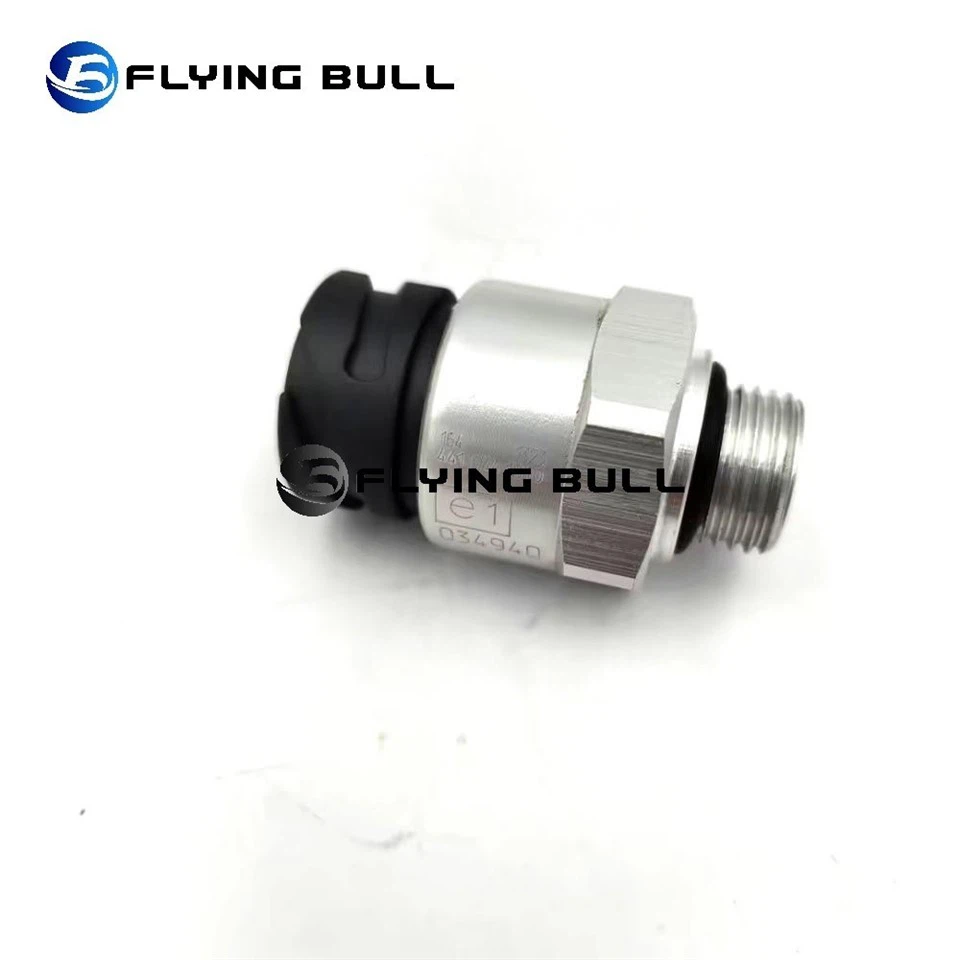
Oil Pressure Monitoring: Keeping an eye on the oil pressure is essential for the health of the engine. MEMS pressure sensors are used to measure the oil pressure in the engine lubrication system. If the oil pressure drops below a safe level, it could indicate a problem such as a clogged oil filter or a failing oil pump. An Oil Pressure Sensor For Volvo Truck is a great example of a specialized sensor for heavy-duty vehicles.
Aerospace and Aviation
In the aerospace and aviation industries, precision and reliability are of the utmost importance. MEMS pressure sensors are used in a variety of applications to ensure the safety and performance of aircraft.
-
Altitude Measurement: MEMS pressure sensors are used in altimeters to measure the altitude of an aircraft. By measuring the atmospheric pressure, these sensors can accurately determine the height above sea level. This information is crucial for navigation, flight planning, and maintaining safe flight levels.
-
Aircraft Hydraulic Systems: Hydraulic systems are used in aircraft for various functions such as landing gear operation, flight control surfaces, and braking. MEMS pressure sensors are used to monitor the pressure in these hydraulic systems, ensuring that they are operating within safe limits. A Hydraforce Pressure Sensor is a high-quality option for these demanding applications.
-
Environmental Control Systems: Maintaining a comfortable and safe environment inside the aircraft is essential for the well-being of passengers and crew. MEMS pressure sensors are used in the environmental control systems to monitor and regulate the cabin pressure, ensuring that it remains at a safe and comfortable level throughout the flight.
Medical Industry
The medical field also benefits greatly from the use of MEMS pressure sensors. These sensors are used in a variety of medical devices to monitor and diagnose patients.
-
Blood Pressure Monitoring: One of the most common applications of MEMS pressure sensors in the medical field is blood pressure monitoring. These sensors are used in both invasive and non-invasive blood pressure monitors to measure the pressure of the blood flowing through the arteries. Accurate blood pressure measurement is crucial for the diagnosis and management of hypertension and other cardiovascular diseases.
-
Respiratory Devices: MEMS pressure sensors are used in respiratory devices such as ventilators and nebulizers. In ventilators, these sensors are used to measure the pressure of the air being delivered to the patient's lungs, ensuring that the correct amount of air is being provided. In nebulizers, the sensors are used to monitor the pressure of the medication being aerosolized, ensuring that the patient receives the correct dose.
-
Intracranial Pressure Monitoring: In neurosurgery and neurology, MEMS pressure sensors are used to monitor the intracranial pressure (ICP) in patients with head injuries or other neurological conditions. Monitoring the ICP is crucial for the early detection of complications such as brain swelling and herniation.
Consumer Electronics
MEMS pressure sensors have also found their way into consumer electronics, adding new features and functionality to everyday devices.
-
Smartphones and Wearables: Many smartphones and wearables now come equipped with MEMS pressure sensors. These sensors are used for a variety of purposes, such as altitude tracking, step counting, and weather forecasting. For example, if you're using a fitness tracking app on your smartphone, the pressure sensor can help determine the elevation gain during your hike or run, providing more accurate fitness data.
-
Home Appliances: In home appliances, MEMS pressure sensors are used to improve the performance and efficiency of devices such as washing machines and dishwashers. These sensors can measure the water pressure in the appliance, ensuring that the right amount of water is used for each cycle. This not only saves water but also improves the cleaning performance of the appliance.
Industrial Applications
In the industrial sector, MEMS pressure sensors are used in a wide range of applications to monitor and control processes.
-
Process Control: In manufacturing and chemical processing plants, MEMS pressure sensors are used to monitor the pressure of fluids and gases in pipes and vessels. This information is used to control the flow rate, temperature, and other process parameters, ensuring that the manufacturing process runs smoothly and efficiently.
-
HVAC Systems: Heating, ventilation, and air conditioning (HVAC) systems use MEMS pressure sensors to monitor the air pressure in ducts and vents. This helps ensure that the HVAC system is operating at the right pressure, providing optimal comfort and energy efficiency.

Conclusion
As you can see, MEMS pressure sensors have a wide range of applications across various industries. Their small size, high accuracy, and low cost make them an ideal choice for many different uses. Whether you're in the automotive, aerospace, medical, consumer electronics, or industrial sector, there's a good chance that MEMS pressure sensors are playing a role in your products or processes.
If you're in the market for high-quality pressure sensors, I'm here to help. I've got a wide range of MEMS pressure sensors that are suitable for different applications. Whether you need a sensor for a specific vehicle, a medical device, or an industrial process, I can provide you with the right solution. So, if you're interested in learning more or want to discuss your specific requirements, don't hesitate to reach out. Let's have a chat and see how we can work together to meet your needs.
References
- Smith, J. (2020). MEMS Pressure Sensors: Principles, Design, and Applications. Springer.
- Jones, A. (2019). The Role of MEMS Sensors in Automotive Safety and Performance. SAE International.
- Brown, C. (2018). Medical Applications of MEMS Pressure Sensors. IEEE Transactions on Biomedical Engineering.