

How to troubleshoot a pressure sensor?
Troubleshooting a pressure sensor is a crucial skill for anyone working with these devices, whether you're an automotive technician, an industrial engineer, or simply a hobbyist. As a pressure sensor supplier, we understand the importance of ensuring that these sensors function correctly to maintain the efficiency and safety of various systems. In this blog post, we'll guide you through the process of troubleshooting a pressure sensor, from identifying common issues to implementing effective solutions.
Understanding Pressure Sensors
Before we dive into troubleshooting, it's essential to understand what a pressure sensor is and how it works. A pressure sensor is a device that measures the pressure of a fluid or gas and converts it into an electrical signal. These sensors are used in a wide range of applications, including automotive, industrial, and medical systems.
There are several types of pressure sensors, each with its own working principle and characteristics. Some of the most common types include:
- Strain Gauge Pressure Sensors: These sensors use a strain gauge, which is a thin wire or foil that changes its resistance when subjected to mechanical stress. When pressure is applied to the sensor, the strain gauge deforms, causing a change in resistance that can be measured and converted into a pressure reading.
- Capacitive Pressure Sensors: Capacitive sensors measure pressure by detecting changes in capacitance. They consist of two parallel plates separated by a dielectric material. When pressure is applied, the distance between the plates changes, altering the capacitance of the sensor.
- Piezoelectric Pressure Sensors: Piezoelectric sensors generate an electrical charge when subjected to mechanical stress. They are commonly used in high-pressure applications and dynamic pressure measurements.
Common Pressure Sensor Issues
Now that we have a basic understanding of pressure sensors, let's take a look at some of the most common issues that can occur:
- Zero Offset Error: This is a common problem where the sensor reads a non-zero pressure when there is no pressure applied. Zero offset errors can be caused by factors such as sensor drift, improper calibration, or damage to the sensor.
- Span Error: Span error refers to the difference between the actual pressure and the pressure reading at the upper end of the sensor's measurement range. It can be caused by calibration errors, temperature variations, or changes in the sensor's sensitivity.
- Linearity Error: Linearity error occurs when the sensor's output is not linearly proportional to the applied pressure. This can result in inaccurate pressure readings, especially at the extremes of the measurement range.
- Temperature Effects: Temperature can have a significant impact on the performance of pressure sensors. Changes in temperature can cause the sensor's output to drift, affecting its accuracy and reliability.
- Electrical Interference: Electrical interference from nearby electrical devices or power lines can cause noise in the sensor's output signal, leading to inaccurate readings.
Troubleshooting Steps
Now that we've identified some of the common issues, let's go through the troubleshooting steps to diagnose and fix these problems:
- Visual Inspection: Start by visually inspecting the pressure sensor for any signs of physical damage, such as cracks, leaks, or loose connections. Check the wiring and connectors for any signs of corrosion or damage.
- Check the Power Supply: Ensure that the sensor is receiving the correct power supply voltage. Incorrect power supply can cause the sensor to malfunction or produce inaccurate readings.
- Verify the Calibration: Check the sensor's calibration to ensure that it is accurate. If the sensor has been recently calibrated, verify that the calibration settings are correct. If the sensor has not been calibrated recently, it may be necessary to recalibrate it using a calibrated pressure source.
- Check for Zero Offset Error: To check for zero offset error, apply zero pressure to the sensor and measure the output signal. If the output is not zero, adjust the zero offset calibration setting until the output reads zero.
- Check for Span Error: To check for span error, apply a known pressure at the upper end of the sensor's measurement range and measure the output signal. Compare the measured output with the expected output based on the sensor's specifications. If there is a significant difference, adjust the span calibration setting until the output is within the acceptable range.
- Check for Linearity Error: To check for linearity error, apply a series of known pressures across the sensor's measurement range and measure the output signal at each pressure point. Plot the measured output against the applied pressure and compare the resulting curve with the ideal linear curve. If there is a significant deviation from the ideal curve, the sensor may have a linearity error.
- Check for Temperature Effects: If the sensor's performance is affected by temperature, check the temperature compensation settings. Some sensors have built-in temperature compensation circuits, while others require external temperature sensors to be used in conjunction with the pressure sensor.
- Check for Electrical Interference: To check for electrical interference, use a shielded cable to connect the sensor to the measuring device. If possible, move the sensor away from any sources of electrical interference, such as power lines or motors.
Advanced Troubleshooting Techniques
If the basic troubleshooting steps do not resolve the issue, you may need to use some advanced troubleshooting techniques:
- Data Logging: Use a data logger to record the sensor's output over a period of time. This can help you identify any trends or patterns in the data that may indicate a problem with the sensor.
- Signal Analysis: Use a spectrum analyzer or an oscilloscope to analyze the sensor's output signal. This can help you identify any noise or interference in the signal that may be causing inaccurate readings.
- Sensor Replacement: If all else fails, it may be necessary to replace the pressure sensor. Before replacing the sensor, make sure to check the compatibility of the new sensor with the existing system.
Our Pressure Sensor Products
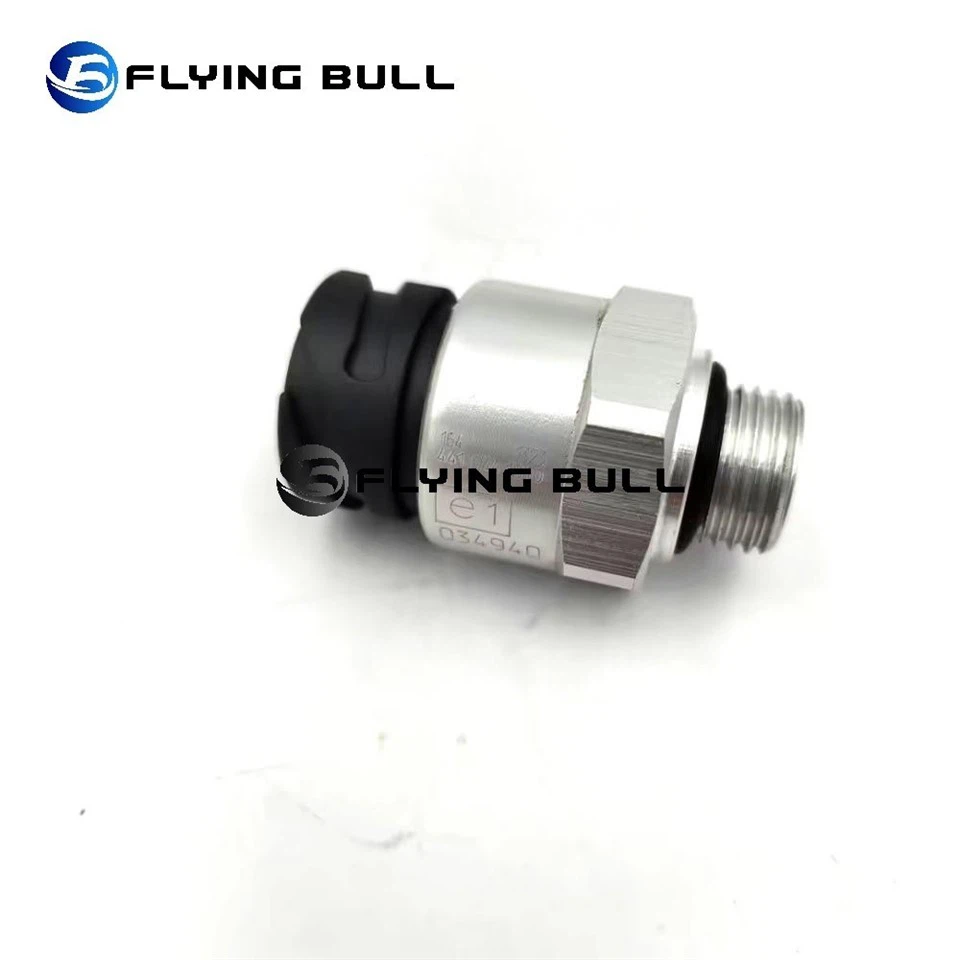
As a pressure sensor supplier, we offer a wide range of high-quality pressure sensors for various applications. Our products include Automobile Parts Sensor, Multi-vehicle Air Pressure Sensor, and A760E A960E Is Suitable For Toyota Lexus 35240-50040 Transmission Gearbox Shift Solenoid Valve. Our sensors are designed to provide accurate and reliable pressure measurements, even in harsh environments.

Contact Us for Purchase and Negotiation
If you're experiencing issues with your pressure sensors or are looking to purchase new sensors, we're here to help. Our team of experts can provide you with technical support and guidance to ensure that you choose the right sensor for your application. We also offer competitive pricing and excellent customer service. Contact us today to start the purchase negotiation process and find the perfect pressure sensor solution for your needs.
References
- "Pressure Sensor Handbook" by Sensor Solutions
- "Fundamentals of Pressure Measurement" by Omega Engineering
- "Automotive Sensors: Principles, Characteristics, and Applications" by Springer