

How to maintain a hydraulic valve?
Hey there! As a hydraulic valve supplier, I've seen firsthand how important it is to keep these components in tip - top shape. Hydraulic valves are the unsung heroes of many industrial and mechanical systems, controlling the flow and pressure of hydraulic fluid. In this blog, I'm gonna share some practical tips on how to maintain a hydraulic valve.
Regular Inspection
The first step in maintaining a hydraulic valve is regular inspection. You should visually check the valve for any signs of physical damage, like cracks, dents, or leaks. Look at the valve body, connections, and seals. A small crack can lead to big problems over time, such as fluid leakage, which not only wastes hydraulic fluid but can also contaminate the surrounding environment.
It's also crucial to check the valve's mounting. Make sure it's securely fastened. Loose mounting can cause vibrations, which may damage the valve internally or affect its performance. For example, if the valve is used in a high - vibration environment like a construction machine, a loose mount can make the valve parts wear out faster.
Fluid Quality Management
The quality of the hydraulic fluid is a game - changer when it comes to valve maintenance. Dirty or contaminated fluid can clog the valve, wear down its internal components, and cause it to malfunction. You need to regularly check the fluid's cleanliness, viscosity, and temperature.

Invest in a good fluid filtration system. A high - quality filter can remove contaminants like dirt, metal particles, and debris from the fluid before it reaches the valve. Change the filters at the recommended intervals. This might seem like a hassle, but it's way cheaper than replacing a damaged valve.
Also, keep an eye on the fluid level. Low fluid levels can cause the pump to draw in air, which can lead to cavitation in the valve. Cavitation is when vapor bubbles form in the fluid due to low pressure and then collapse, causing damage to the valve's internal surfaces.
Proper Lubrication
Lubrication is essential for the smooth operation of a hydraulic valve. The moving parts inside the valve, such as spools and pistons, need to be well - lubricated to reduce friction and wear. Use the lubricant recommended by the valve manufacturer.
Over - lubrication can be just as bad as under - lubrication. Too much lubricant can attract dirt and debris, which can clog the valve. Follow the manufacturer's guidelines on how much and how often to lubricate the valve.
Temperature and Pressure Monitoring
Hydraulic valves are designed to operate within specific temperature and pressure ranges. Exceeding these limits can cause serious damage. Install temperature and pressure sensors to continuously monitor these parameters.
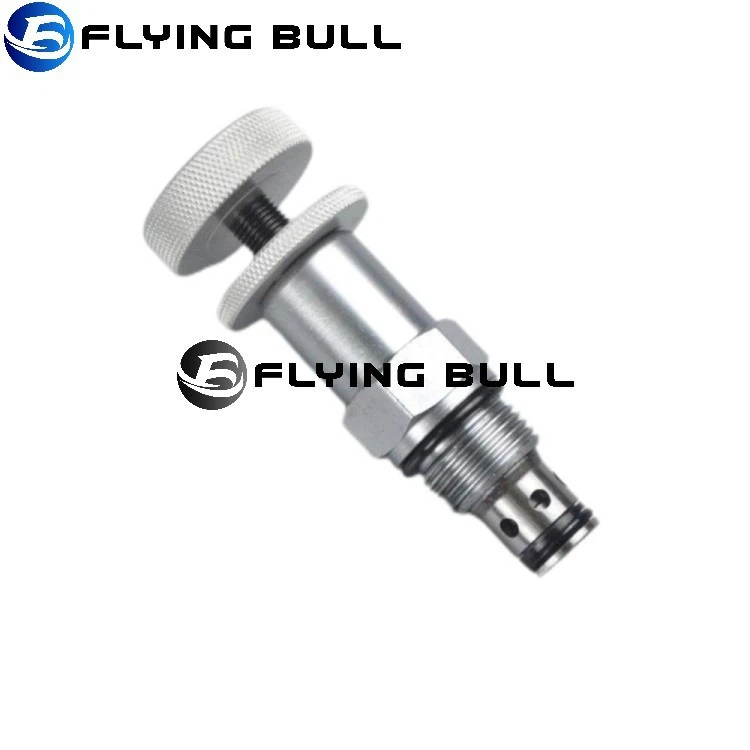
If the temperature gets too high, it can cause the hydraulic fluid to break down, reducing its lubricating properties and increasing the risk of valve damage. High pressure can also put excessive stress on the valve components, leading to premature failure.
If you notice that the temperature or pressure is out of the normal range, take immediate action. It could be due to a problem with the system, such as a clogged filter or a malfunctioning pump.
Valve Adjustment
Periodically, you may need to adjust the hydraulic valve to ensure it's operating correctly. This could involve adjusting the pressure settings, flow rates, or other parameters. However, be very careful when making these adjustments.

Always refer to the valve's manual for the correct adjustment procedures. Incorrect adjustments can lead to poor performance, leaks, or even system failure. If you're not confident in your ability to make the adjustments, it's best to call in a professional.
Cleaning
Regular cleaning of the hydraulic valve is a must. Over time, dirt, dust, and other contaminants can accumulate on the valve's exterior and interior surfaces. Use a clean, lint - free cloth and a suitable cleaning solution to wipe down the valve.
For the internal parts, you may need to disassemble the valve carefully. But remember, disassembly should only be done if you have the necessary skills and tools. After cleaning, make sure to dry the parts thoroughly before reassembling the valve.
Component Replacement
Even with proper maintenance, some components of the hydraulic valve will eventually wear out and need to be replaced. Keep an inventory of commonly replaced parts, such as seals, gaskets, and O - rings.
When replacing parts, always use high - quality replacements that are compatible with your valve. Using sub - standard parts can lead to valve failure and may void the manufacturer's warranty.
Importance of Training
If you have a team working with hydraulic valves, make sure they are properly trained. Training should cover basic valve operation, maintenance procedures, and safety precautions.
A well - trained team can spot potential problems early and take the right steps to prevent major issues. They'll also be able to follow the maintenance procedures correctly, ensuring the longevity of the valves.
Where to Find Quality Hydraulic Valves
If you're in the market for new hydraulic valves or replacement parts, we've got you covered. We offer a wide range of high - quality hydraulic valves, including the Relief Hydraulic Check Valve. This valve is designed to provide reliable relief and check functions, ensuring the safety and efficiency of your hydraulic system.
For more information on relief functions, check out our Relief Of Hydraulic Valve page. And if you're interested in the counterweight features of hydraulic check valves, head over to our Counterweight Of Hydraulic Check Valve page.
We're here to help you find the right valves for your needs and provide you with the support you need for maintenance. If you have any questions or want to discuss your requirements, don't hesitate to reach out. We're always ready to assist you in making the best choices for your hydraulic systems.

Conclusion
Maintaining a hydraulic valve is not rocket science, but it does require attention to detail and a commitment to regular upkeep. By following these tips, you can extend the life of your hydraulic valves, improve the performance of your hydraulic systems, and save money in the long run. So, take good care of your valves, and they'll take good care of your machinery.
References
- Hydraulic Systems Handbook, various industry - specific editions
- Manufacturer's manuals for hydraulic valves
- Industry research papers on hydraulic system maintenance