

How does the 0de transmission sensor work in a manual transmission vehicle?
Hey there, gearheads and car enthusiasts! I'm stoked to be here as a supplier of the 0de transmission sensor, and today, I'm gonna break down how this nifty little device works in a manual transmission vehicle. So, buckle up and let's dive right in!
First off, let's talk about what a transmission sensor does in general. In a nutshell, sensors in a vehicle are like the eyes and ears of the car's brain, the Engine Control Unit (ECU). They gather data about different aspects of the vehicle's operation and send that info to the ECU, which then makes decisions based on that data to optimize performance, efficiency, and safety.
The 0de transmission sensor, specifically, plays a crucial role in a manual transmission setup. In a manual transmission vehicle, the driver is in charge of shifting gears, but that doesn't mean there aren't any electronic components involved. The 0de sensor helps the ECU keep tabs on what's going on in the transmission and adjust things accordingly.
One of the main functions of the 0de transmission sensor is to monitor the speed of the transmission input shaft. This is important because it allows the ECU to determine the appropriate engine speed and torque for a given gear. For example, when you're shifting from first to second gear, the ECU needs to know how fast the input shaft is spinning so it can adjust the engine's power output to ensure a smooth transition.
The sensor does this by using a magnetic field to detect the rotation of the input shaft. Inside the sensor, there's a magnet and a coil of wire. As the input shaft rotates, it causes the magnetic field to change, which in turn induces an electrical current in the coil. The ECU can then measure this current and use it to calculate the speed of the input shaft.
Another important function of the 0de transmission sensor is to detect the position of the gear selector. In a manual transmission, the driver uses a gear lever to select different gears. The 0de sensor can tell the ECU which gear the driver has selected by detecting the position of the gear selector. This information is used by the ECU to adjust the engine's idle speed and other parameters to ensure that the engine runs smoothly in the selected gear.
The sensor uses a series of switches or potentiometers to detect the position of the gear selector. When the driver moves the gear lever, it activates one of these switches or changes the resistance of the potentiometer, which sends a signal to the ECU indicating the selected gear.
In addition to monitoring the speed of the input shaft and the position of the gear selector, the 0de transmission sensor can also provide other important information to the ECU. For example, it can detect if the clutch is engaged or disengaged. This is useful because it allows the ECU to adjust the engine's power output when the clutch is disengaged, such as when you're starting the car or coming to a stop.
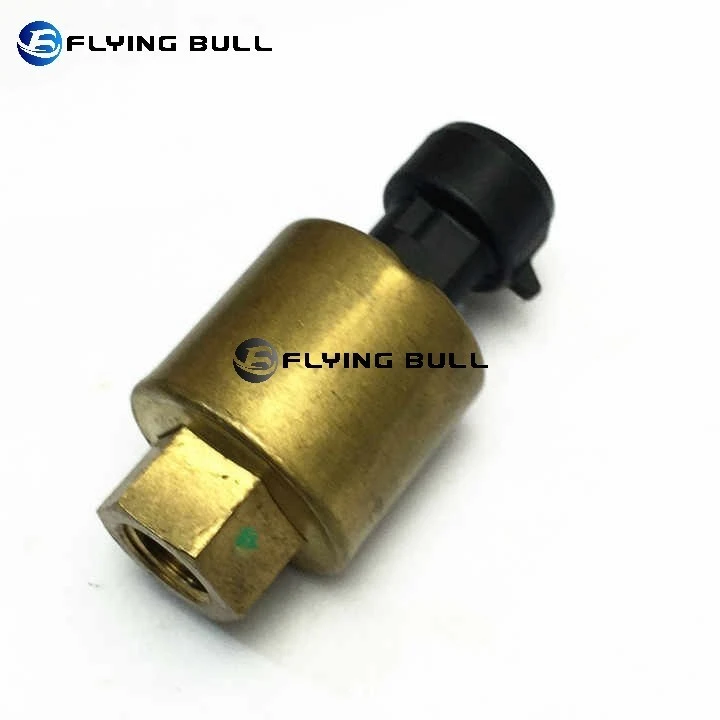

The sensor can also detect if the transmission is in neutral. This information is used by the ECU to prevent the engine from stalling when the transmission is in neutral and the clutch is engaged.
Now that you understand how the 0de transmission sensor works, let's talk about why it's important. A properly functioning sensor is essential for the smooth operation of a manual transmission vehicle. If the sensor is malfunctioning, it can cause a variety of problems, such as rough shifting, poor acceleration, and even engine stalling.
For example, if the sensor is not accurately detecting the speed of the input shaft, the ECU may not be able to adjust the engine's power output correctly, which can result in rough shifting or poor acceleration. If the sensor is not detecting the position of the gear selector correctly, the ECU may not be able to adjust the engine's idle speed correctly, which can cause the engine to stall.
That's why it's important to make sure your 0de transmission sensor is in good working condition. If you notice any problems with your vehicle's shifting or acceleration, it's a good idea to have the sensor checked by a professional mechanic.
As a supplier of the 0de transmission sensor, we offer a wide range of high-quality sensors that are designed to meet the needs of manual transmission vehicles. Our sensors are precision-engineered and tested to ensure reliable performance and accuracy.
In addition to the 0de transmission sensor, we also offer a variety of other sensors for vehicles, including the Multi-vehicle Air Pressure Sensor, the 1832232C95 Type Pressure Sensor, and the Pressure Sensor 3Mpa. These sensors are used to monitor various aspects of the vehicle's operation, such as air pressure, fuel pressure, and oil pressure.
If you're in the market for a new 0de transmission sensor or any other type of vehicle sensor, we'd love to hear from you. Our team of experts is always ready to help you find the right sensor for your needs and provide you with the support and service you deserve.
So, if you're looking for a reliable supplier of high-quality vehicle sensors, look no further. Contact us today to learn more about our products and services and to start a conversation about your sensor needs.
References:
- Automotive Sensor Technology: Principles and Applications by David Crolla
- Modern Automotive Technology by James D. Halderman