


Valve Balance
Hydraulic Balance Valve for Excavator Cylinders – CBEG‑LIN (Hold / Counterbalance Valve) Excavators, cranes, and aerial lifts depend on hydraulic balance valves to control heavy loads safely. Without a properly functioning balance valve (also called a counterbalance valve or hold valve), a raised load could run away – dropping uncontrollably. The valve balance from Flying Bull (Model CBEG‑LIN) is a direct replacement for excavator hydraulic cylinder spool hold valves, pressure relief valves, and counterbalance valves. It operates with oil media under ordinary pressure. The valve is 100% brand new, manufactured in Zhejiang, China, and backed by a 1‑year warranty. Delivery takes 5–7 working days. Why balance valves are essential The CBEG‑LIN hydraulic balance valve is used on the cap end of a hydraulic cylinder (or on both ends for double‑acting cylinders). It performs three critical functions: Hold – Prevents the load from drifting down when the control valve is in neutral. Controlled lowering – Allows the load to lower only when pilot pressure is applied, at a speed set by the operator. Overload relief – Limits maximum pressure in the cylinder line to prevent hose burst or component damage. A properly set balance valve ensures the load only lowers when commanded, regardless of hose failure or pump failure. Maintenance of hydraulic balance valves – key practices for long life The maintenance of the hydraulic valve is an important measure to ensure the long‑term reliable operation of the hydraulic system. Here are key aspects of hydraulic valve maintenance for the CBEG‑LIN and similar valves. Daily inspection – three checks 1. Observation of working status – Regularly check whether the hydraulic valve balance is in normal working condition. Observe for abnormal sound (e.g., chattering or squealing), vibration (e.g., the cylinder shakes during lowering), or leakage (external oil leaks from the valve body or fittings). 2. System pressure and action check – Often check the working pressure of the hydraulic system and whether the action of the actuator (cylinder or motor) is normal. Slow cylinder movement, drifting, or inability to hold load may indicate a faulty balance valve. Determine the working state of the corresponding hydraulic valve balance from these observations. 3. Confirm the adjustment status – Before starting the hydraulic pump, the hydraulic valve should be carefully checked to ensure it is in the specified adjustment state (correct crack pressure and pilot ratio). This ensures that the system can start and run smoothly without sudden load drops. Cleaning and maintenance – when performance degrades When the performance of a hydraulic valve balance deteriorates or fails (e.g., cylinder drifts down, load runs away, or the valve chatters), it needs to be disassembled and cleaned. Step 1 – Disassembly and cleaning Disassemble the valve carefully, noting the order of parts (spring, spool, shims, etc.). Use cleaning agents (compatible with the seal material) and tools such as a soft brush or an ultrasonic cleaning machine. Thoroughly remove dirt, varnish, and residue from the spool, valve body bore, and small orifices. Do not use wire brushes or abrasive pads on precision‑ground surfaces. Step 2 – Inspection after cleaning After cleaning is completed, inspect all parts carefully. Check for scratches, burrs, scoring, or corrosion on the spool and bore. Check the spring for breakage or loss of tension (compare length and force to specification). Ensure that there are no damaged or excessively worn parts. Research and repair – when wear exceeds limits If the matching (running) clearance between the valve spool and the valve body bore has increased by more than 20% of the design value, performance will be compromised. Symptoms: internal leakage (cylinder drifts down), loss of holding ability, or reduced pilot sensitivity. Also, if the sealing performance of a taper valve (poppet) and valve seat deteriorates (leaks even when closed), the valve will not hold the load. In these cases, matching repair should be performed to restore the original matching clearance and sealing performance. This may involve: Replacing the spool and/or valve body (if available as a matched set). Replacing the poppet and seat. Honing the bore and fitting a larger spool (requires precision machining – usually done by a specialized hydraulic repair shop). Why choose Flying Bull for the valve balance CBEG‑LIN? Direct replacement – Matches original CBEG‑LIN. Essential safety – Prevents load runaway and cylinder drift. 100% brand new – Not rebuilt or remanufactured. 1‑year warranty – Against manufacturing defects. Fast delivery – 5‑7 working days from Zhejiang, China. Flying Bull’s valve balance (CBEG‑LIN) is a reliable, high‑quality replacement. Follow the maintenance guide above for long, trouble‑free service. Choose Flying Bull for safe load control.
Product Introduction
Products Description
OE NO.: CBEG-LIN
| Media: Oil |
| Warranty: 1 YEAR | Condition:New, 100% Brand-new |
| Place of Origin:Zhejiang, China | ltem:Solenoid |
| Brand Name:FLYING BULL | Quality:High-Quality |
| Delivery:5-7 Working Days | Pressure:Ordinary Pressure |
Hydraulic balance valve Excavator hydraulic cylinder spool CBEG-LIN hold valve pressure relief valve counterbalance valve
The maintenance of the hydraulic valve is an important measure to ensure the long-term reliable operation of the hydraulic system. Here are some key aspects of hydraulic valve maintenance:
Daily inspection
1. Observation of working status:
Regularly check whether the hydraulic valve balance is in normal working condition, and observe whether there is abnormal sound, vibration or leakage.
2. System pressure and action check:
Often check the working pressure of the hydraulic system and whether the action of the actuator is normal, so as to determine the working state of the corresponding hydraulic valve balance.
3. Confirm the adjustment status:
Before starting the hydraulic pump, the hydraulic valve 11 should be carefully checked whether it is in the specified adjustment state to ensure that the system can start and run smoothly.
Cleaning and maintenance
1. Disassembly and cleaning:
① When the performance of hydraulic valve balance deteriorates or fails, it needs to be disassembled and cleaned. During the cleaning process, you can use cleaning agents, ultrasonic cleaning machines and other tools to completely remove the dirt and residue on the valve core, valve body and other parts.
②After the cleaning is completed, the parts should be carefully inspected to ensure that there are no damaged or excessively worn parts.
2. Research and repair:
If the matching gap between the valve core and the valve body hole increases by more than 20% of the design value, or the sealing performance of the taper valve core and the valve seat deteriorates, the matching repair should be carried out to restore the original matching accuracy and sealing performance.


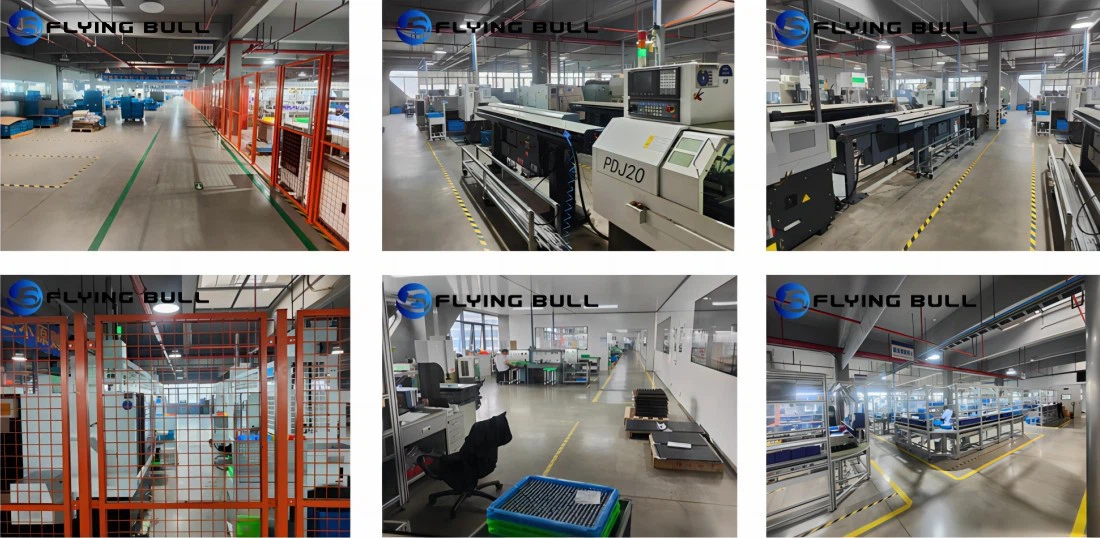
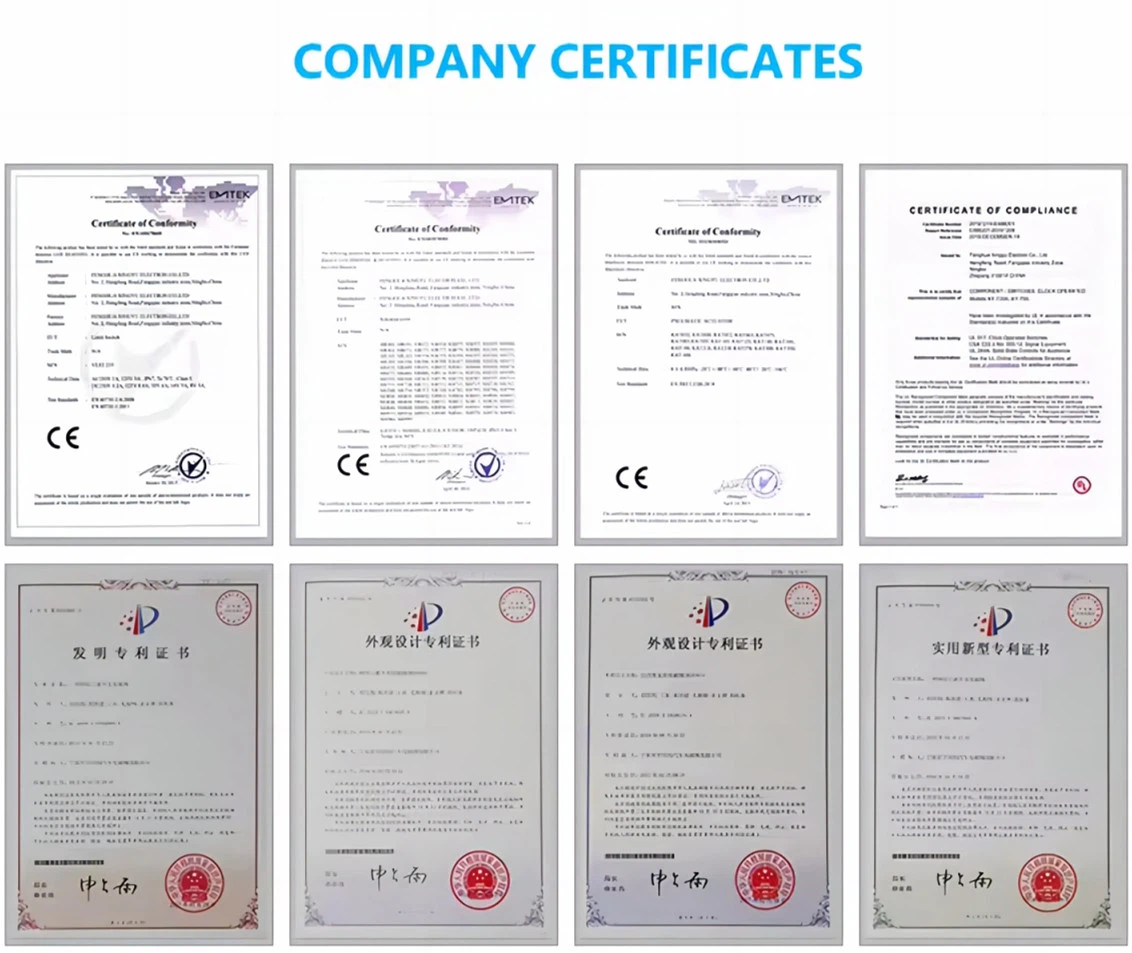
Company Introduction





Frequently Asked Questions (FAQ)
1. What is the model number and function of this valve balance?
The model number is CBEG‑LIN. It is a hydraulic balance valve (counterbalance valve / hold valve / pressure relief valve) used on excavator hydraulic cylinders and other heavy equipment. It holds a load in place and controls lowering speed.
2. What are the three critical functions of a balance valve?
(1) Hold – prevents load drift when control valve is in neutral. (2) Controlled lowering – allows load to lower only when pilot pressure is applied. (3) Overload relief – limits maximum cylinder pressure.
3. What daily inspections should be performed on a hydraulic balance valve?
(1) Observe working status – listen for abnormal sound or vibration, look for leaks. (2) Check system pressure and actuator action – slow movement or drifting indicates a problem. (3) Confirm adjustment status before starting the pump – ensure valve is set correctly.
4. When should a hydraulic balance valve be disassembled and cleaned?
When performance deteriorates or fails – e.g., cylinder drifts down, load runs away, or the valve chatters during operation. Disassemble, clean with compatible solvent (or ultrasonic cleaner), then inspect for damage.
5. What should I look for when inspecting a cleaned balance valve?
Check for scratches, burrs, scoring, or corrosion on the spool and bore. Check the spring for breakage or loss of tension. Ensure no parts are damaged or excessively worn.
6. What does "matching clearance exceeding 20% of design value" mean?
The spool and bore are precision‑ground to a specific clearance (e.g., 0.01mm to 0.02mm). If wear increases that clearance by more than 20% (e.g., to 0.024mm or more), internal leakage increases significantly. The valve will not hold the load properly.
7. What is matching repair for a taper valve and seat?
If the poppet (taper valve) and seat do not seal tightly (leaks even when closed), they can be lapped (ground together with fine abrasive paste) to restore the sealing surface. If wear is severe, replace the poppet and seat as a matched set.
8. Can I repair a worn balance valve myself, or should I replace it?
If the spool or bore is worn beyond the 20% limit, and you do not have precision honing equipment, replace the valve with a new CBEG‑LIN. The cost of a new valve is often less than the labor and tooling required to repair a worn one.
9. Does the valve balance CBEG‑LIN come with a warranty?
Yes. Flying Bull provides a 1‑year warranty against manufacturing defects. Damage caused by contamination (dirty oil), incorrect adjustment, overpressure, or physical damage is not covered.
10. Is this valve a direct replacement for the original CBEG‑LIN balance valve?
Yes. The CBEG‑LIN is manufactured as a direct replacement for the original hydraulic balance valve. It matches the original cavity size, flow rating, pilot ratio, crack pressure, and mounting dimensions. Always verify your original part number before ordering.
Hot Tags: valve balance, China valve balance manufacturers, suppliers, factory, doosan solenoid valve replaced, hydraulic valve, liebherr solenoid valve replaced, jlg solenoid valve replaced, case solenoid valve replaced, sany solenoid valve replaced
You Might Also Like


Send Inquiry
