

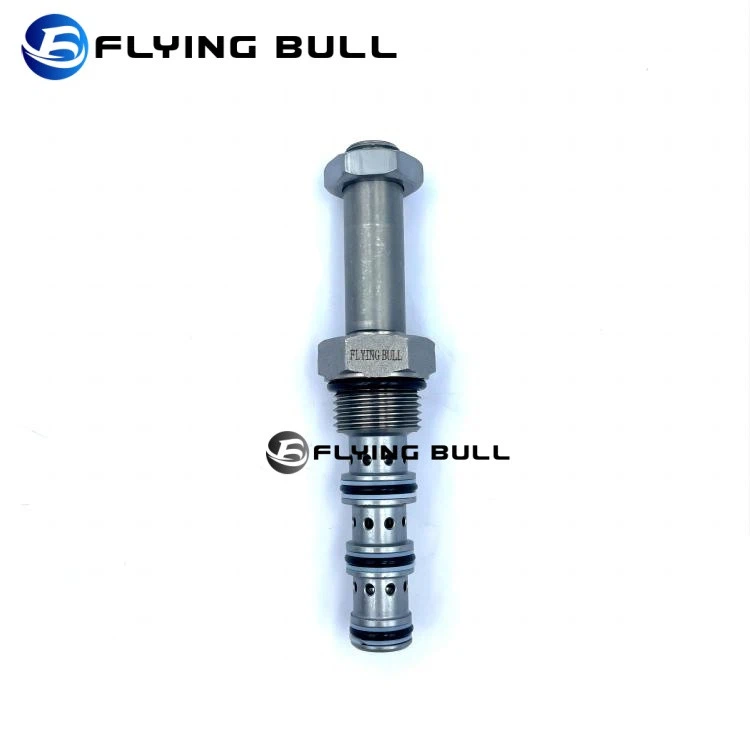


Relief Valve
Reliable Pressure Control with the Relief Valve SV08-40 Hydraulic systems must stay within safe pressure limits. Without proper relief, pressure spikes can blow hoses, damage pumps, or burst valve bodies. The relief valve from Flying Bull (Model SV08-40) is a solenoid-operated, two-way, four-way hydraulic cartridge valve designed to protect construction machinery and industrial hydraulic systems from overpressure. The SV08-40 relief valve is a threaded cartridge valve that screws directly into a standard T4-3 cavity in a manifold block. It operates with oil as the medium under ordinary pressure. The valve is 100% brand new, manufactured in Zhejiang, China, and backed by a 1‑year warranty. Delivery takes 5–7 working days. Key technical parameters: Maximum working pressure: 210 bar. Internal leakage: less than 80 ml/min at 210 bar. Operating voltage options: 12VDC, 24VDC, 110VAC, 220VAC. Minimum operating voltage: 85% of rated voltage. Filtration requirement: 20μm or better. Standard cavity: T4-3. Standard valve block models: T4-31, T4-33, T4-34, T4-36. Temperature range: -30°C to +100°C (nitrile rubber seals). Media: Oil. How the SV08-40 cartridge relief valve works: 1. Switch control (on/off) – The cartridge valve is switched on and off either manually or electrically. Manual mode – Uses human force, hydraulic pressure, or pneumatic pressure to push or rotate the stem and spool. This opens or closes the valve. Electric mode – Uses a solenoid coil driven by an electrical signal. A motor or solenoid actuator receives the signal and shifts the spool. This allows remote control of the valve from the operator’s station or an automated controller. 2. Flow control – The relief valve changes the flow rate by varying the channel area that the medium passes through. By rotating or lifting the spool, the channel area can be increased or decreased continuously. That changes the flow and pressure of the hydraulic oil. This method is simple and works well for small to medium diameter pipelines (DN ≤ 200 mm). 3. Maximum flow control – The cartridge valve can also limit maximum flow using either: Restrictor spool – Located at the valve’s narrowest point. By changing the channel area, the valve restricts how much oil can pass regardless of pressure. Flow sensor – Measures the flow rate in real time and sends a signal to a controller. The controller then adjusts the valve opening to stay within set limits. Why the SV08-40 is important for construction machinery: Hydraulic systems on excavators, loaders, and other equipment face sudden pressure spikes when cylinders bottom out or when loads shift. A properly set relief valve opens when pressure exceeds the safe limit, diverting oil to tank. That prevents hose bursts, pump damage, and seal failure. When the pressure drops back to normal, the relief valve closes again. Flying Bull’s SV08-40 relief valve provides reliable, repeatable pressure control. Choose Flying Bull for quality hydraulic protection.
Product Introduction
Products Description
Model: SV08-40 |
Media: Oil |
|
Warranty: 1 YEAR |
Condition: New, 100% Brand-new |
|
Place of Origin: Zhejiang, China |
Power: Hydraulic |
|
Brand Name: FLYING BULL |
Quality: High-Quality |
|
Delivery: 5-7 Working Days |
Pressure: Ordinary Pressure |
SV08-40 hydraulic solenoid valve
Two four-way hydraulic commutation
Solenoid switch relief valve
SV08 cartridge valve
Technical parameters
Maximum working pressure: 210 bar
Internal leakage: <80ml/min at 210 bar
Operating voltage: 12VDC, 24VDC, 110VAC, 220VAC
Minimum operating voltage: 85% of normal voltage
Filtration accuracy: 20μm or better
Standard jack: T4-3
Use temperature: -30~+100℃ (nitrile rubber)
Standard valve block model: T4-31*/33*/34*/36*
working principle
The working principle of the cartridge relief valve mainly includes the following aspects:
1. Switch control
Cartridge valves are usually switched on and off manually or electrically. The manual mode generally uses manpower, hydraulic, pneumatic and other forces to drive the stem and spool.
Drop or rotate to achieve valve switch control. The electric mode is generally driven by a motor, and the start and stop of the motor are controlled by signals to achieve remote control of the valve.
2. Flow control
Relief valve by changing the medium through the valve channel area to achieve flow control. By rotating or lifting the spool, the channel area can be continuously increased Or reduce, thereby changing the flow and pressure of the medium. This flow control method is simple and feasible, and has good applicability for some small and medium diameter (DN≤200) pipelines.
3. Maximum flow control
Cartridge valves can also be controlled by setting a restrictor spool or adding a flow sensor to achieve maximum flow. The flow limiting valve core is generally located at the shrink of the valve, and the maximum flow rate is limited by changing the size of the channel area. The flow sensor can measure the flow of the medium in time and provide a reference valve.


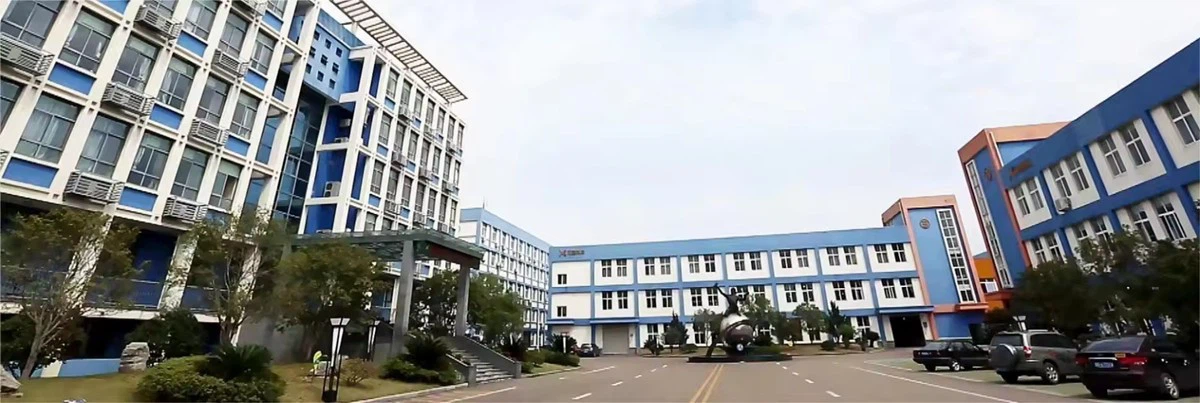
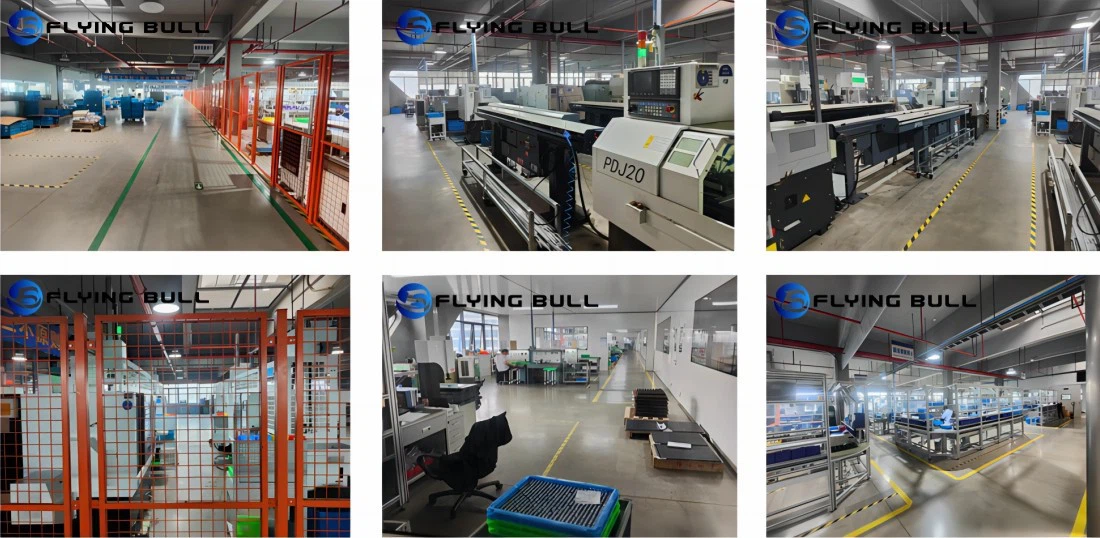
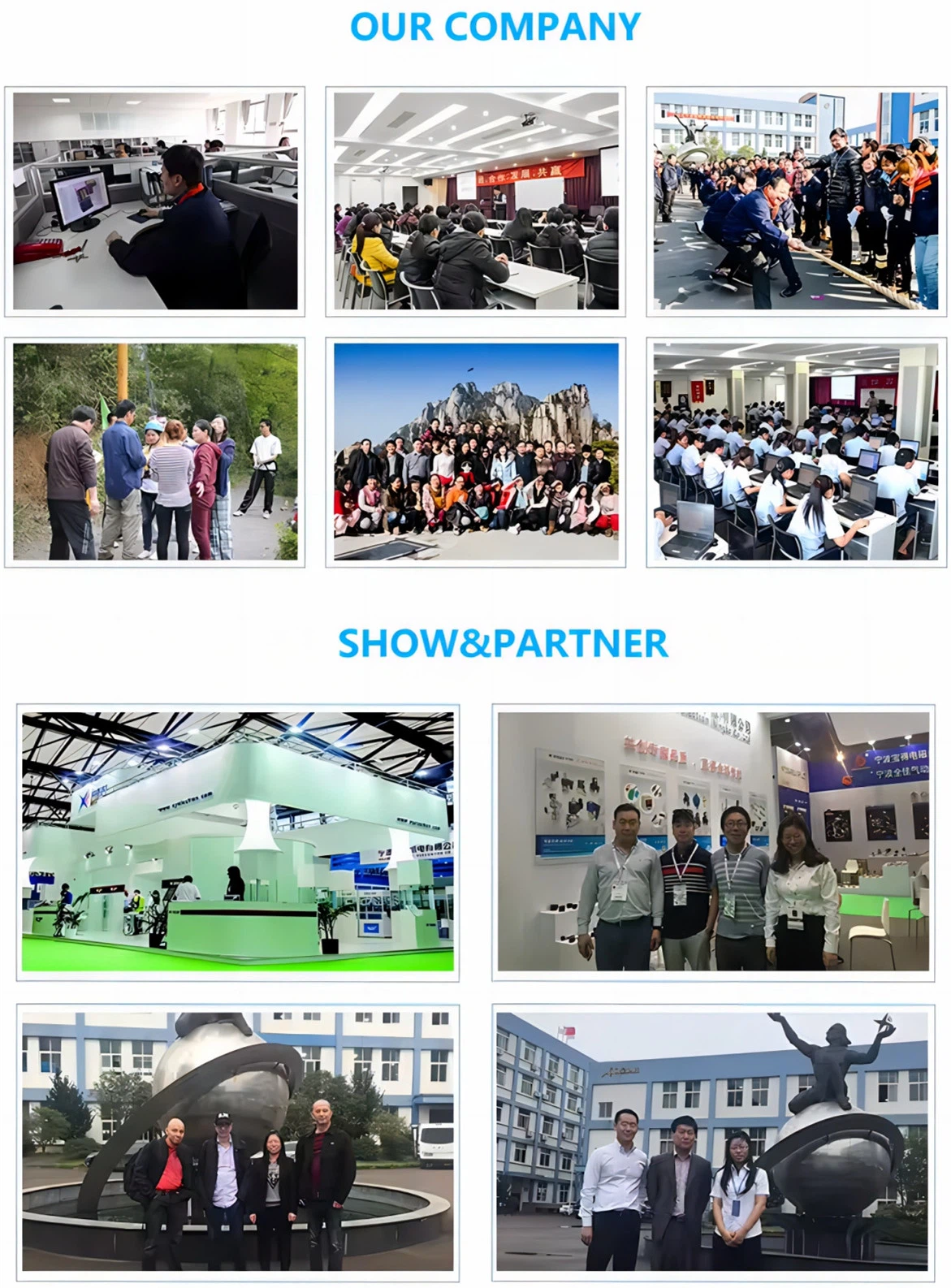
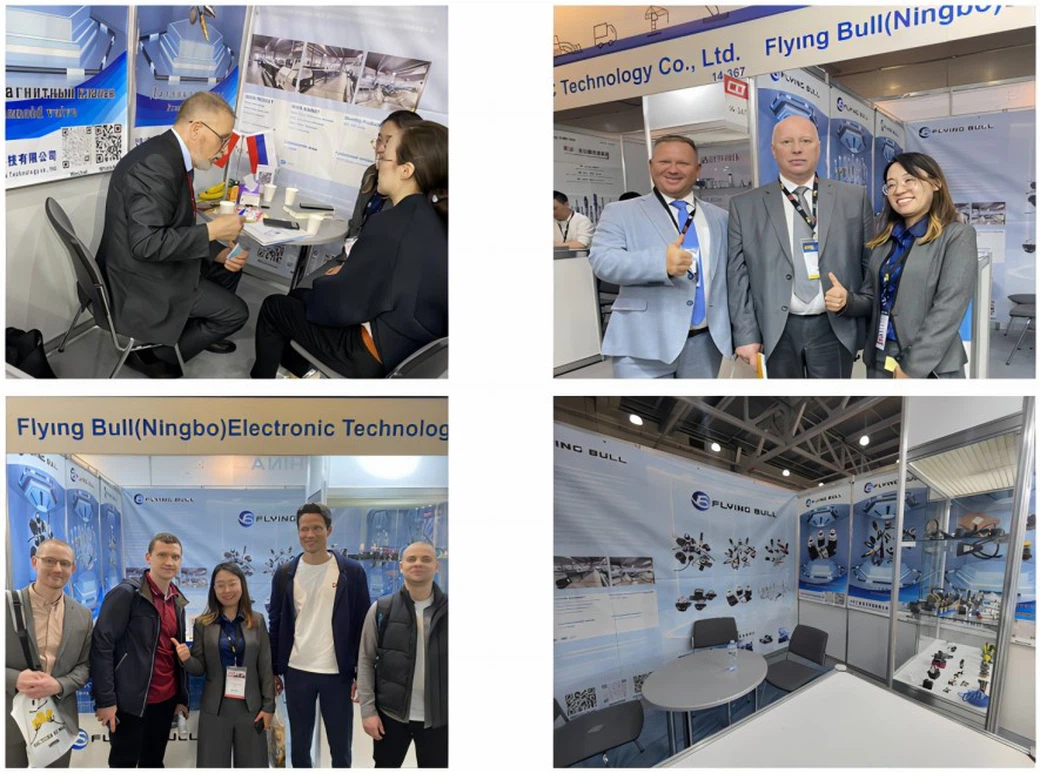
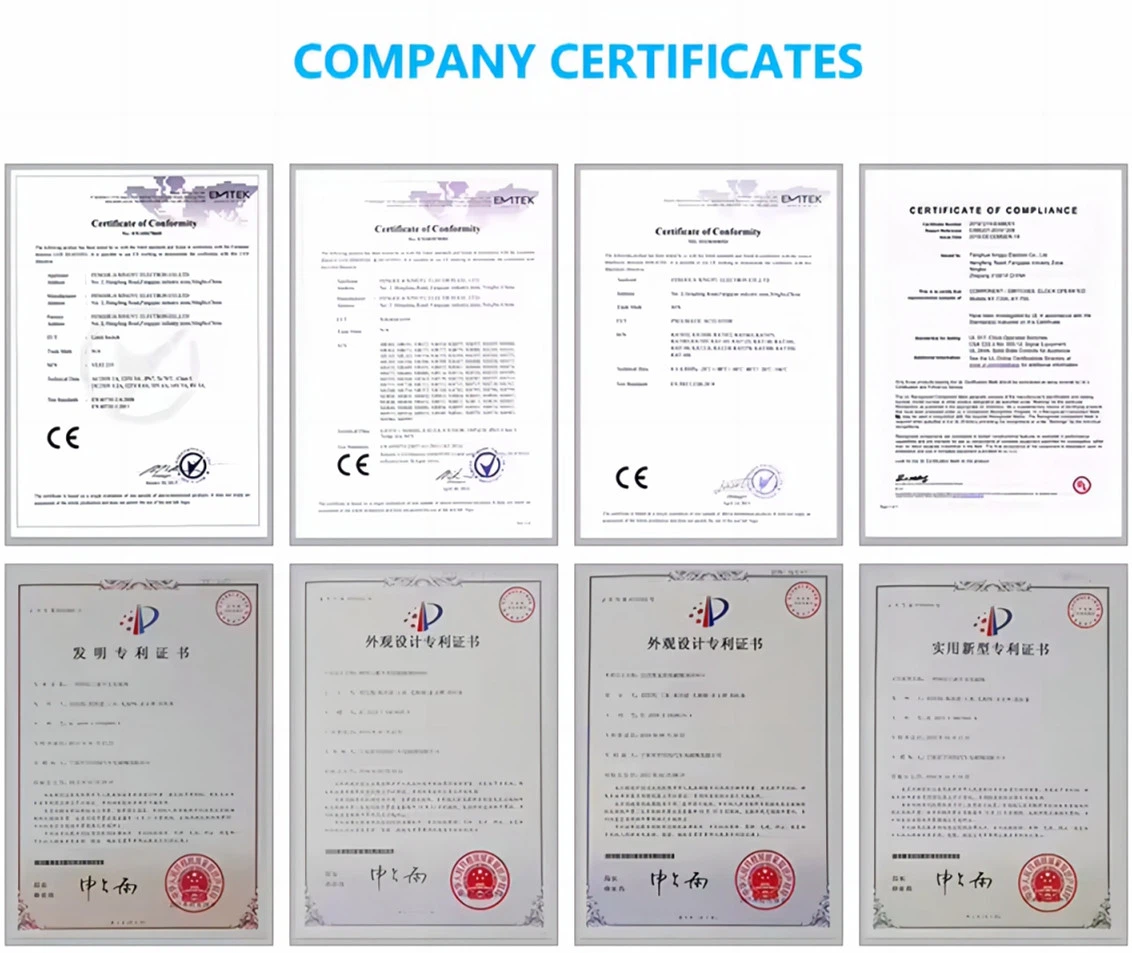
Company Introduction
Frequently Asked Questions (FAQ)
1. What is the model number and basic specification of this relief valve?
The model number is SV08-40. It is a solenoid-operated, two-way, four-way hydraulic cartridge valve designed for ordinary pressure systems using oil media. Maximum working pressure is 210 bar.
2. How does the SV08-40 cartridge relief valve work?
The valve works in three ways: (1) Switch control – manually (by hand, hydraulic, or pneumatic force) or electrically (by solenoid signal) to open or close. (2) Flow control – by changing the spool position to vary the channel area, adjusting flow and pressure. (3) Maximum flow control – using a restrictor spool or flow sensor to limit peak flow.
3. What voltage options are available for the solenoid?
The coil is available in 12VDC, 24VDC, 110VAC, and 220VAC. The minimum operating voltage is 85% of the rated voltage.
4. What is the maximum working pressure and internal leakage of this valve?
Maximum working pressure is 210 bar. Internal leakage is less than 80 ml/min at 210 bar, which is typical for a cartridge-style relief valve.
5. What cavity and valve block models does the SV08-40 fit?
The valve fits a standard T4-3 cavity. Compatible valve block models include T4-31, T4-33, T4-34, and T4-36.
6. What temperature range and filtration are required?
The valve uses nitrile rubber seals rated for -30°C to +100°C. Hydraulic oil must be filtered to 20μm or better to prevent internal contamination and sticking.
7. Can the SV08-40 be operated manually if the solenoid fails?
Yes. The valve can be switched manually using hydraulic or pneumatic force (or manual override if equipped). This allows you to return the machine to a safe state even if electrical power or the coil fails.
8. Does the relief valve SV08-40 come with a warranty?
Yes. Flying Bull provides a 1‑year warranty against manufacturing defects. Damage caused by contaminated fluid (filtration below 20μm), incorrect installation, overpressure beyond 210 bar, or voltage issues is not covered. Always use clean hydraulic oil and maintain proper filtration.
9. What is the difference between a relief valve and a pressure reducing valve?
A relief valve limits maximum system pressure by diverting excess oil to tank when pressure exceeds a set point. A pressure reducing valve lowers a high inlet pressure to a steady lower outlet pressure for a sub-circuit. The SV08-40 is a relief valve – it protects the system from overpressure.
Hot Tags: relief valve, China relief valve manufacturers, suppliers, factory, transmission solenoid valve testing equipment, relief valve, hydraulic solenoid valve, wirtgen solenoid valve replaced, construction machinery solenoid valve, solenoid valve repair kit
You Might Also Like


Send Inquiry
