


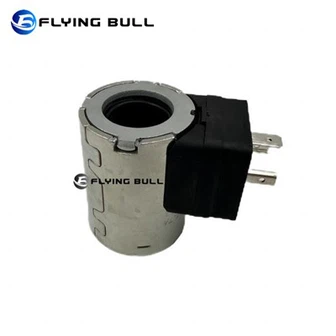
Milking Machine Solenoid Valve Coil
Reliable Pulsation Control for Dairy Automation with the Milking Machine Solenoid Valve Coil Modern dairy farms depend on automated milking equipment to operate efficiently. Solenoid valve coils are key components in these systems – they control the pulsation that gently milks each cow. When a coil fails, the milking unit may stop pulsing, vacuum pressure can drop, and production comes to a halt. The milking machine solenoid valve coil from Flying Bull is a direct replacement coil designed for milking equipment, including VP and DVP series vacuum pumps and MPC580/680 milking systems. This milking machine solenoid valve coil is a blue-colored coil used as a milking machine part. It operates with oil or air media and is designed for ordinary pressure systems. The pulsation rate is adjustable (60/40). The coil is 100% brand new, manufactured in Zhejiang, China, and backed by a 1‑year warranty. Delivery takes 5–7 working days. Why solenoid valve coils are a common failure point in milking machines: Milking systems use many solenoid valves. Each valve controls a function – pulsation, vacuum on/off, milk line shutoff, or cleaning cycle switching. The coils on these valves are energized and de-energized hundreds or thousands of times per day. Over time, coils can burn out, short circuit, or develop open windings. That makes them a high‑frequency fault point in dairy automation. Common troubleshooting steps for milking machine solenoid valve coils: When a milking system malfunctions, the first step is often to observe the display alarm code. For example, an Err4 code typically indicates a communication failure of the milk meter. Common causes include: Short circuit or break in the communication line. Oxidized MPC terminals (poor contact). Burned board port. For other specific alarm codes, refer to the instruction manual provided by the equipment manufacturer (e.g., Lely or other brands). However, because solenoid coils are used frequently and in large numbers, they should be high on your inspection list. Check whether each solenoid valve works normally. If it is abnormal, replace the coil. Two common electrical testing methods for milking machine coils: Method 1 – Continuity and resistance check (power off) – Cut off all power to the milking system. Switch your multimeter to the resistance (ohms) setting or continuity (buzzer) mode. Follow the electrical drawings to check each connection node. Verify that every loop is normally switched on. Check that each component receives the correct execution signal. The solenoid valve coil should show a specific resistance value (typically between 5 and 50 ohms depending on the coil). Motor windings should have balanced resistance and reliable insulation. This method is usually used before initial startup or during scheduled maintenance. Method 2 – Voltage check (power on, safely) – Disconnect all protectors (safety devices). Under safe conditions (insulated tools, dry hands, proper PPE), reconnect power. Check each access level to ensure the correct voltage is being passed to the next component. Continue step‑by‑step until you reach the input side of the final device (the solenoid coil). This method is typically used for active fault finding. It can quickly identify the fault point – for example, a coil that receives correct voltage but does not operate is a failed coil. What to do if the milking machine solenoid valve coil is faulty: Replace the coil. Do not attempt to repair burned or shorted coils – the windings are encapsulated and not serviceable. Flying Bull’s milking machine solenoid valve coil offers a direct replacement for original coils used in dairy automation. Choose Flying Bull for reliable pulsation control and minimal farm downtime.
Product Introduction
Products Description
Use: Milking Machine |
Type: Milking Machine Partsl |
|
Warranty: 1 YEAR |
Condition: New, 100% Brand-new |
|
Place of Origin: Zhejiang, China |
Color: Blue |
|
Brand Name: FLYING BULL |
Quality: High-Quality |
|
Delivery: 5-7 Working Days |
Pulsation Rate: 60/40 Adjustable |
Milking machine solenoid valve coil troubleshooting
In order to ensure the normal production of the ranch, we should find out the fault point and solve it in the shortest time. According to the common faults of VP and DVP series vacuum pumps and MPC580/680 milking equipment circuit of Lilaval, some experiences are summarized.
Analysis can be done by observing the display alarm code. If Err4 indicates communication failure of milk meter, the more common factors are short circuit and break of communication line; MPC terminal oxidation caused by poor contact or board port burned. For other specific alarm codes, please refer to the relevant instruction manual provided by Lilaval. The number of electromagnetic coils is large and the use is frequent, which is a high fault point. It is recommended to check whether the solenoid valve works normally, and replace it if it is abnormal
Check the line barricades with a multimeter.
Two common methods
1. Cut off all power supplies and switch the multimeter to the buzzer. According to the drawings, check whether each connection node is connected according to the drawings in turn, and then use the table to measure whether each loop is normally switched on, and whether the execution signal of each component is normal. The solenoid valve coil should have a resistance value, and the resistance value of the motor winding should be average and the insulation is reliable. This method is usually used to check before initial use.
2. Disconnect all protectors and connect to the power supply under the premise of safety. Components are connected for protection according to their levels. Each access level checks whether the correct voltage is input to the next level until the input side of the terminal device. This method is usually used in fault detection, which can quickly find the fault point and problem line.


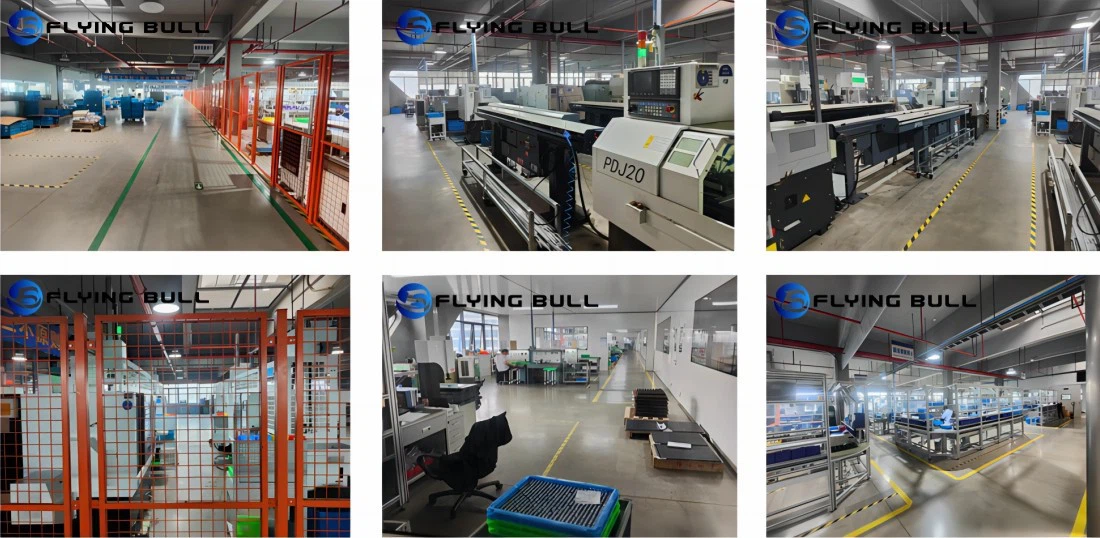
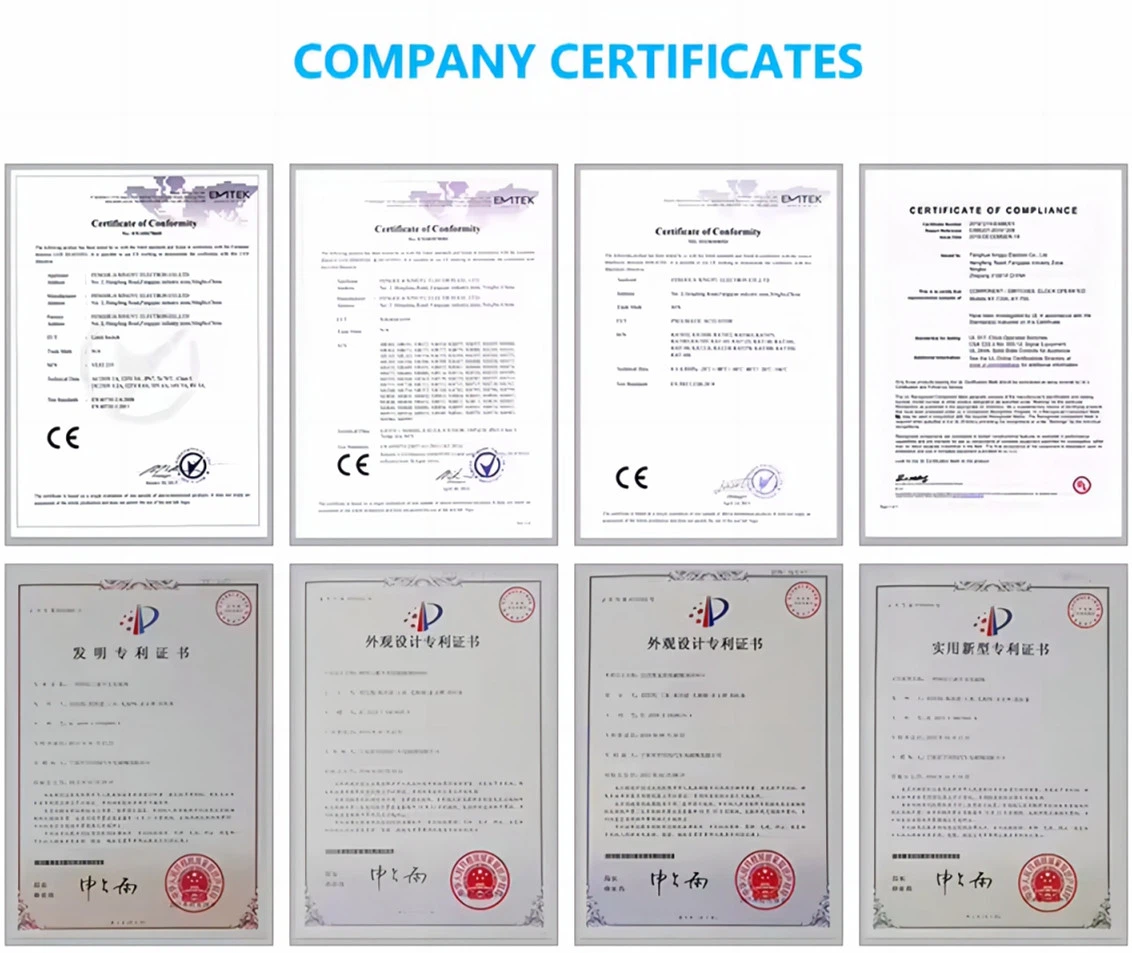
Company Introduction




Frequently Asked Questions (FAQ)
1. What is this solenoid valve coil used for?
This coil is used in milking machines – specifically in VP and DVP series vacuum pumps and MPC580/680 milking equipment. It controls solenoid valves that manage pulsation, vacuum, and milk flow.
2. Why are solenoid valve coils a common failure point in milking systems?
Milking machines use many solenoid coils that cycle on and off hundreds or thousands of times per day. Over time, coils can burn out, short circuit, or develop open windings. Their high cycle rate makes them a frequent point of failure in dairy automation.
3. What does an Err4 alarm code indicate, and how does it relate to solenoid coils?
Err4 typically indicates a communication failure of the milk meter. Common causes include short circuit or break in communication lines, oxidized MPC terminals (poor contact), or a burned board port. While Err4 is not directly a coil failure, checking all electrical connections – including solenoid coil circuits – is part of the diagnosis.
4. How do I test a milking machine solenoid valve coil with power off?
Cut off all power. Set your multimeter to resistance (ohms) or continuity (buzzer). Check the coil's terminals. A good coil will show a specific resistance (typically 5–50 ohms). Zero ohms = short circuit. Infinite ohms = open circuit (broken wire). Also, verify the coil's circuit in the machine's wiring diagram.
5. How do I test a milking machine solenoid coil with power on?
Disconnect protectors (safety devices) first. Under safe conditions, reconnect power. Check each voltage level step‑by‑step from the controller to the coil. If the coil receives correct voltage but does not operate (and the resistance test passed), the coil may have failed the magnetic test (weak field). Replace the coil.
6. What is the pulsation rate of this milking machine solenoid valve coil?
The pulsation rate is adjustable at 60/40. That means 60% of the pulsation cycle is the milking phase (vacuum on), and 40% is the rest phase (vacuum off or atmospheric pressure). Correct pulsation is critical for cow comfort and complete milking.
7. Does the milking machine solenoid valve coil come with a warranty?
Yes. Flying Bull provides a 1‑year warranty against manufacturing defects. Damage caused by overvoltage, water ingress (milking parlors are wet environments), physical damage, or chemical exposure (cleaning agents) is not covered. Always protect electrical connections from moisture.
8. Is this coil a direct replacement for the original milking machine part?
This coil is designed as a replacement for common milking machine solenoid valves, including those used with Lely (Lilaval) equipment. However, always verify the coil dimensions (inner diameter, height), voltage (e.g., 24V DC or 110/220V AC), and connector type before ordering.
9. What maintenance does the milking machine solenoid coil require?
The coil itself is maintenance‑free. However, periodically check electrical connections for corrosion (milking parlors are humid). Ensure the coil's mounting nut is tight. If the valve body leaks fluid (water, milk, or cleaning solution) onto the coil, replace both the valve seals and the coil – moisture ingress will destroy the windings.
10. Can I repair a burned solenoid coil instead of replacing it?
No. Solenoid coils are encapsulated in epoxy or sealed in a housing. There are no user‑serviceable parts inside. Do not attempt to disassemble or rewind a coil. The only reliable repair is to replace the coil with a new, identical unit.
Hot Tags: milking machine solenoid valve coil, China milking machine solenoid valve coil manufacturers, suppliers, factory, valve electromagnetic gas valve coil, solenoid valve four way coil, solenoid coil with compact design for valve, solenoid coil for valve proportional control, valve solenoid replacement coil, solenoid valve pneumatic coil
You Might Also Like




Send Inquiry
